Education
Benefits of Modular Sofa Seating in Educational Spaces
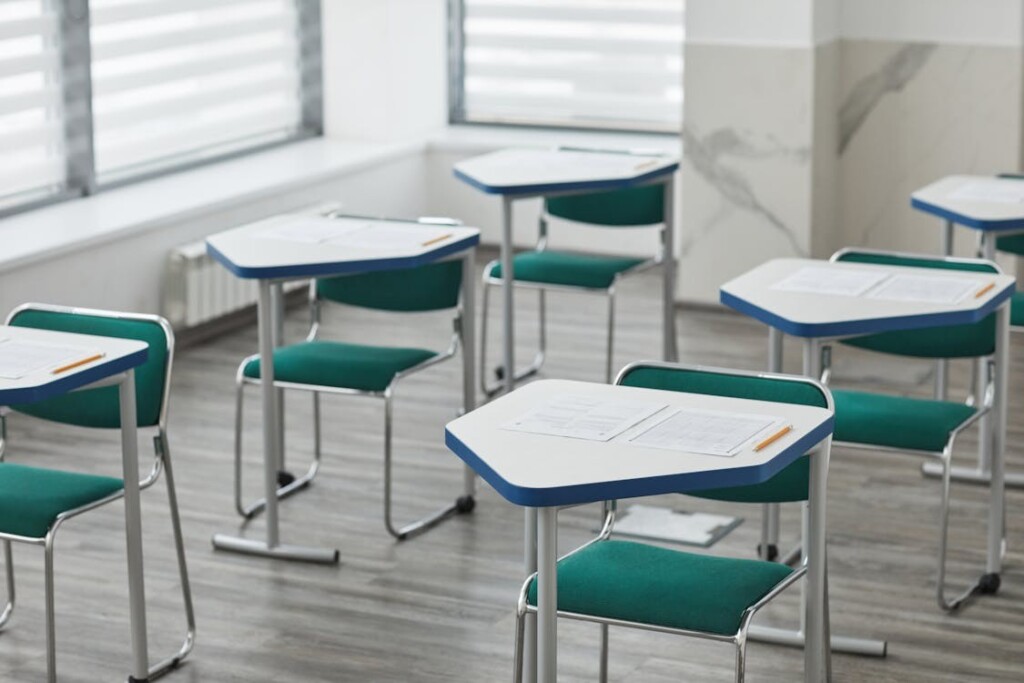
The Modern Learning Environment calls for flexible classroom furniture.
Old-school desks and wooden chairs? Gone. Schools in the UK are finally realising that the act of sitting itself has an impact on learning.
Here’s the thing…
Comfortable learners are engaged learners. If they can move and get up and work together without being restricted, then they will be far more likely to pay attention and be involved with the activities set for them.
What’s Inside:
- The Case For Modular Furniture
- The Impact on Student Engagement
- How Modular Sofa Seating Supports Different Learning Styles
- Practical Benefits For Teachers
The Case For Modular Sofa Seating
Kids and schools need furniture that is not just flexible but multi-functional.
Rows of single chairs and tables face the front of the classroom. A linear layout was useful when education was simple lectures delivered by the teacher to passive learners. Now education must support collaboration, group work and student-centred learning.
Enter modular sofa seating for schools. Flexible seating solutions in classrooms allow the teacher to rearrange the layout of the learning space in minutes. Form groups for a project? No problem. Sitting in a circle for a debate? Easy.
The advantage of modular seating for schools over traditional furniture is in its flexibility. While desks and chairs are fixed into place, keeping learners in the same position for every lesson, modular furniture can be adapted to suit whatever teaching and learning style the teacher is using for the day.
The Impact on Student Engagement
Ok. Time for some cold, hard facts…
Research has shown that when given the flexibility to choose where to sit, pupils spent more time collaborating and were more actively engaged in learning.
In a study published in PLOS One, students in flexible learning spaces spent a significantly greater amount of time working together and being actively engaged than their counterparts in traditional classroom layouts.
Want to know how much of a difference this makes? Think about it this way…
When children are allowed to choose where and how they are seated, they take ownership of their learning environment. This, in turn, leads to increased focus and less behavioural issues.
The stats speak for themselves.
Research from the University of Salford found that flexibility in the classroom is responsible for at least a quarter of the academic progress observed in schools with classroom designs built around learning.
How Modular Sofa Seating Supports Different Learning Styles
No two students are the same.
And no two students learn in the same way, either. Some need to be on the move while they think. Others prefer to tuck away in a corner and read quietly. Many pupils learn best when they work alongside others.
Standard furniture doesn’t account for these differences in learning preferences. Modula sofa seating, on the other hand, shatters the mould completely.
Benefits of Flexible Seating:
- Cushioned seating for those who need to be comfy to concentrate
- Lightweight options that support both independent and group work
- Layouts that can adapt to suit visual, auditory and kinaesthetic learners
- Room arrangements that can change from presentation to collaboration in seconds
The variety in seating and classroom furniture matters far more than many would have you believe. Without the ability to move, children’s brain activity actually begins to decrease once their bodies become sedentary. Sitting still in chairs = student disengagement.
Flexible seating and furniture keeps students active, both physically and mentally, throughout the school day.
Practical Benefits for Teachers
It’s no surprise that teachers are also fans of flexible, modular furniture.
Classroom management is made easier when the physical environment complements the way lessons are being delivered. Instead of having to work against fixed, inflexible layouts, teachers can utilise the space around them to best support students.
Advantages include:
- Rapid reconfiguration of space between activities
- Support for differentiation of learning
- Clearer oversight of group work
- Less time spent moving furniture between classes and during activities
One benefit that is often overlooked though…
Modular seating allows for the creation of zones within the classroom. A reading nook, perhaps. A space for collaboration. A quiet area by a window. These zoned areas for learning help the children understand what is expected of them and transition between activities smoothly.
Building Community Through Furniture Design
What soft seating does is great for creating community in the classroom.
Breaking down the barriers between the children themselves. When learners are no longer locked into their assigned chairs and desks, they mix and mingle with other children throughout the day, learning side by side. This forms a stronger connection between students and a real sense of community.
The traditional layout actually reinforces territorial behaviour. Learners stake a claim over “their” desk and stay put. Modular seating breaks that mentality and makes sharing the norm.
A mindset that better prepares children for the real world where collaboration and flexibility will be expected of them.
Comfort = Better Results
We all know this but schools still manage to ignore it…
Comfort is key.
If the children are not sitting comfortably, they cannot be expected to pay attention. Plastic chairs and hard benches lead to fidgeting, distraction and a lack of engagement. Simple as that.
Soft seating options, such as modula sofas, provide the level of comfort students need to focus on learning rather than how sore they are feeling. Important, too, for longer lessons or when reading.
Linking comfort to concentration is a direct line.
Comfortable students are more likely to:
- Engage with their peers in discussions and activities
- Take risks in their learning
- Remain focused and attentive during lessons
Making The Switch to Flexible Seating
So you’re thinking about switching things up in the classroom?
Start small. Not every school needs to go all in and replace everything. Teachers have been known to begin with a few different types of seating to see how their students respond.
The most important thing to keep in mind is selecting modular furniture that is high quality and will stand up to daily use in a school. Durability is just as important as the ability to rearrange furniture and seating. Look for options specifically designed with educational settings in mind with the relevant safety standards in place.
Points to consider when selecting modular sofa seating:
- Sizes that are suitable for your children
- Lightweight pieces, which can be moved easily
- Stackable or nestable pieces that are easy to store
- Easy to clean materials to help with hygiene and safety
The upfront investment pays for itself in time through higher engagement and learning gains, and furniture that will adapt as teaching styles and learning activities change.
Let’s Recap:
Modular sofa seating is the flexible classroom furniture for the Modern Learning Environment. The evidence is stacking up in support of modular sofa seating and the benefits for kids and schools it provides. Let’s go over some of those advantages again.
Benefits of Modular Sofa Seating in Schools
- Rigid, traditional furniture is restrictive and does not support today’s learning environment
- Modular sofa seating for classrooms is adaptable and multi-functional, fitting any learning activity or style
- Student engagement and collaboration increase, dramatically in some cases
- Comfort has a direct impact on concentration and focus
- Flexible seating prepares students for the collaborative real world they will be working in soon
The classroom environment impacts student outcomes and results.
Schools that invest in flexible, comfortable seating will set their students up for improved learning, and schools that don’t will likely hold their students back.
There is no question about flexible seating helping students learn. The research says it does.
The question is whether schools can afford not to move away from outdated, inflexible furniture.


eSIM e mobilità digitale: come la tecnologia sta semplificando i viaggi moderni

The hidden role of industrial cameras in robotics and logistics

Grandparents’ Rights In North Carolina When Can You Seek Visitation

Piso Wifi 10.0.0.1 Pause Time – Complete Guide

How To Create a Home Office on a Budget