Tech News
Common Trailer Types Explained (And How to Pick the Right One)
Table of Contents
- Choosing the Right Enclosed Trailer
- Understanding Weight Capacity and Distribution
- Securing Your Cargo
- Regular Maintenance and Inspections
- Safe Towing Practices
- Protecting Your Trailer from Theft
- Planning Your Route
- Final Thoughts
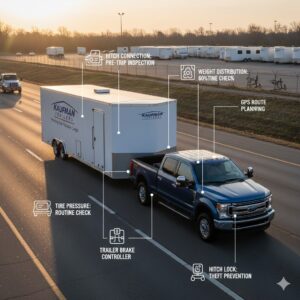
An enclosed trailer can significantly improve how you transport and protect your most valuable cargo while on the road. Understanding how to properly use an enclosed trailer helps prevent costly mistakes and ensures every haul is completed safely and efficiently. Regardless of your industry—whether construction, home relocation, or collectible vehicle transport—there are established procedures to follow when using an enclosed trailer for cargo transport.
Evaluate Your Trailer Needs
Begin by assessing your specific cargo requirements. Once your needs are defined, the next step is properly preparing and reinforcing your enclosed trailer to reduce the risk of theft and protect your cargo during transit. This preparation involves several important considerations, including proper weight distribution and safe driving practices when towing an enclosed trailer. Both novice and experienced haulers benefit from following industry best practices for trailer use and maintenance. Routine maintenance not only safeguards your cargo but also helps ensure the safety of everyone on the road.
Selecting the Right Enclosed Trailer
When purchasing an enclosed trailer, it is essential to consider size, weight capacity, and required features. If you plan to transport specialized or non-standard cargo, additional features such as side doors, loading ramps, or interior shelving may be necessary. Choosing the right trailer from the start can save time, money, and unnecessary complications in the future. Enclosed trailer pricing can vary widely, so identify your most important features and balance them against your budget before making a decision. For those upgrading from an open utility trailer or purchasing their first trailer, an enclosed model offers superior weather protection and enhanced security.
Choosing the Right Enclosed Trailer
Selecting the right enclosed trailer starts with understanding how you plan to use it. Trailer dimensions, interior layout, and entry points should align with the type of cargo you intend to transport. Consider how many access points you need and whether a ramp door is required for loading equipment, vehicles, or heavy machinery. If you plan to transport automobiles or large equipment, a dedicated car trailer may be the best option, as these models are specifically engineered with reinforced floors, tie-down points, and appropriate clearances for safe and efficient loading.
Vertical clearance is another critical factor. Oversized, bulky, or tall cargo may require additional interior height to ensure safe loading and transport. In addition, evaluate the materials used in the trailer’s frame construction. The strength and durability of the frame directly impact the trailer’s overall weight, longevity, and performance. Choosing a well-constructed frame balances durability with weight efficiency, improving both towing safety and fuel economy.
Understanding Weight Capacity and Distribution
One of the most important specifications to understand is the Gross Vehicle Weight Rating (GVWR), which is set by the trailer manufacturer. Before loading, verify the GVWR of both the trailer and the towing vehicle to ensure they are compatible. Exceeding these limits can compromise safety and lead to mechanical failures or legal issues.
When loading your trailer, proper weight distribution is essential. Approximately 60 percent of the total load should be positioned toward the front of the trailer, with the remaining weight distributed evenly across both sides. Improperly balanced loads can cause excessive tire wear, increased strain on the towing vehicle, reduced braking efficiency, and dangerous trailer sway. A properly loaded trailer offers greater stability, more predictable handling, and a safer towing experience overall.
Securing Your Cargo
Preventing cargo movement during transit is critical to protecting both your load and your trailer. All items should be secured before departure, especially when traveling on uneven roads or in stop-and-go traffic.
Depending on your trailer size and cargo type, securing methods may include built-in tie-down points, E-track systems, heavy-duty ratchet straps, or wheel chocks. Items should be secured low and evenly within the trailer to reduce the risk of tipping or shifting. Before every trip, inspect and test all tie-downs and trailer connections.
When transporting hazardous materials, such as gasoline or chemicals, consult local and state regulations. Compliance may require approved containment systems, proper ventilation, labeling, and documentation to meet safety and legal requirements.
Regular Maintenance and Inspections
Routine maintenance is essential for safe and cost-effective trailer operation. Conducting basic inspections before and after each trip helps prevent breakdowns and extends the life of your trailer.
Key maintenance practices include:
- Pre-trip inspections: Check tire pressure, tread depth, and visible damage. Verify that all lights, turn signals, brakes, and hitch connections are functioning properly.
- Post-trip maintenance: Remove road debris, lubricate hinges and moving parts, and inspect welds and structural components for signs of rust or cracking.
- Annual professional inspections: Have a certified technician inspect major systems such as brakes, wiring, axle suspension, and the trailer frame to ensure long-term safety and reliability.
Safe Towing Practices
Towing an enclosed trailer requires adjustments to your driving habits. Increased stopping distances, wider turning radii, and slower acceleration should always be anticipated. Maintain a greater following distance and reduce speed, particularly when traveling downhill or in adverse weather conditions.
Be mindful of how cargo weight, trailer size, and speed affect visibility and handling. Depending on the trailer’s weight, you may be legally required to use trailer brakes or a breakaway system. If your trailer approaches the upper limits of your vehicle’s towing capacity, a quality brake controller is essential to ensure coordinated braking between the trailer and tow vehicle.
Protecting Your Trailer from Theft
Trailer theft is an increasing concern for both businesses and individual owners. Preventative measures significantly reduce risk. Always secure your trailer with high-quality wheel locks and hitch locks, and avoid leaving it unattended in unsecured areas.
Whenever possible, park in well-lit locations near building entrances or within fenced areas. Installing visible GPS tracking devices can aid in recovery and act as a deterrent. Landscaping, fencing, and controlled access points further limit unauthorized access and enhance overall security.
Planning Your Route
Careful route planning helps avoid unnecessary delays and hazards. Identify routes that bypass low-clearance bridges, weight-restricted roads, and areas with heavy construction or frequent stops. Review your route in advance to account for height, weight, and length limitations—especially when traveling in unfamiliar areas.
Dedicated truck or trailer GPS systems are highly recommended, as they account for vehicle specifications and help identify safer, more suitable routes while minimizing unexpected obstacles.
Final Thoughts
Responsible enclosed trailer hauling requires careful planning, proper equipment selection, ongoing maintenance, and disciplined driving practices. By following best practices for trailer selection, weight distribution, cargo securing, theft prevention, and route planning, you protect your investment and ensure safer, more efficient transport. A well-maintained and properly operated enclosed trailer provides peace of mind and reliability on every mile of the journey.


eSIM e mobilità digitale: come la tecnologia sta semplificando i viaggi moderni

The hidden role of industrial cameras in robotics and logistics

Grandparents’ Rights In North Carolina When Can You Seek Visitation

Piso Wifi 10.0.0.1 Pause Time – Complete Guide

How To Create a Home Office on a Budget