Law
Everything You Need to Know About the Dixie Fire
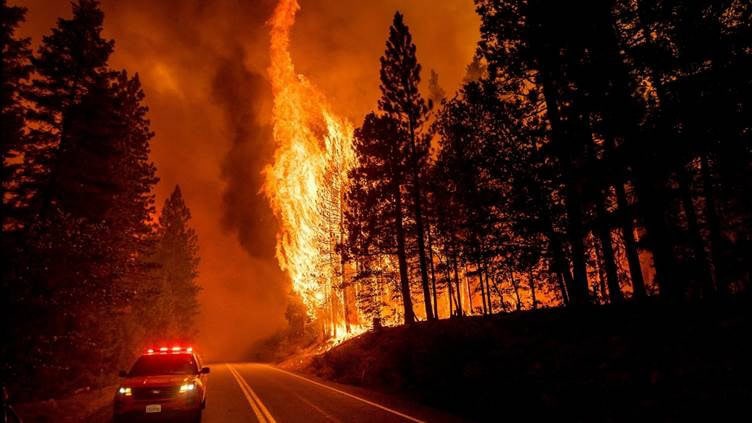
The Dixie Fire was one of the most devastating wildfires in California’s history, reshaping large swaths of land and leaving a lasting impact on communities and ecosystems. It burned through rugged terrain, forests, and rural towns in the state’s northern region during the record‑breaking 2021 wildfire season. The scale and intensity of this fire highlighted the growing threat of wildfires in California and the need for greater awareness and preparedness.
California is particularly prone to wildfires due to its dry Mediterranean climate, frequent droughts, and large areas of brush and forest that become highly flammable during hot, dry summers. Over the past decade, fires have become larger and more severe, driven by factors such as climate change, extended droughts, and shifting weather patterns that increase fuel dryness and fire risk. Californians frequently face evacuations, poor air quality, and property loss during fire season, making wildfire knowledge essential for residents and visitors alike.
The California Dixie Fire attorney phrase has become more prominent as legal and financial implications from the Dixie Fire continue to unfold. Some landowners, residents, and businesses affected by the fire have pursued legal action against utility companies and other parties believed to be responsible for conditions that contributed to the blaze. These legal cases involve questions of liability, compensation for losses, and accountability for damages caused by the fire.
How the Dixie Fire Started
The Dixie Fire ignited on July 13, 2021, in the Feather River Canyon near Cresta Dam in Plumas County, in Northern California. Investigators determined that the blaze began when a tree fell into energized power lines owned and operated by Pacific Gas and Electric Company (PG&E), ultimately sparking the inferno that grew into a massive wildfire.
Once ignited, the fire spread rapidly due to dry vegetation, steep terrain, and occasional high winds. Firefighters faced extremely challenging conditions as they battled the blaze in rugged forest areas, making initial containment efforts difficult and slow.
Unprecedented Size and Impact
The Dixie Fire eventually became the largest single‑source wildfire in California history, burning over 960,000 acres across multiple counties, including Butte, Lassen, Plumas, Shasta, and Tehama. It was both destructive and costly, with firefighting efforts estimated in the hundreds of millions of dollars.
More than 1,300 structures were destroyed and nearly 100 damaged, impacting homes, businesses, and community infrastructure. The fire also prompted evacuations for thousands of residents in affected areas, forcing families to flee and disrupting everyday life for communities in the wildfire’s path.
Environmental and Air Quality Effects
In addition to immediate destruction, the Dixie Fire had far‑reaching effects on air quality and ecosystems. Smoke from the blaze spread across Northern California and even drifted into neighboring states, creating unhealthy air quality conditions for millions of people. Prolonged smoke exposure contributed to respiratory concerns and increased public health warnings during peak fire season.
The fire also burned large areas of forest and wildland habitat, affecting wildlife and altering landscapes that will take years to recover. Many scientists believe that such megafires are becoming more common due to a combination of climate change and historical forest management practices.
Response and Recovery Efforts
Fire crews, volunteers, and government agencies worked around the clock to contain the Dixie Fire, using thousands of personnel and hundreds of pieces of equipment. Containment was ultimately achieved after several months of sustained effort, but recovery continues long after the last flame is extinguished.
Some communities, such as Greenville and Canyon Dam, suffered significant losses that have had lasting economic and social effects. Recovery programs, debris removal, and rebuilding efforts are ongoing, with many residents still determining if and how they will return.
Lessons for the Future
The Dixie Fire has underscored the importance of wildfire preparedness, forest stewardship, and investment in firefighting resources. It also highlights the complex legal and financial questions that arise when wildfires cause widespread destruction. Residents and policymakers alike are examining ways to reduce risk, improve emergency response, and protect both people and property from future fires.
Key Takeaways
- The Dixie Fire started on July 13, 2021, and became the largest single‑source wildfire in California history.
- It burned over 960,000 acres across multiple northern counties and caused extensive destruction to homes and communities.
- The blaze began when a fallen tree contacted power lines, sparking litigation and questions of negligence.
- Smoke and environmental impacts affected air quality across wide regions for weeks.
- Recovery efforts continue, with debris removal and rebuilding underway in hard‑hit towns.
- The fire highlights the growing threat of wildfires in California and the need for preparedness, improved management, and resilient communities.


eSIM e mobilità digitale: come la tecnologia sta semplificando i viaggi moderni

The hidden role of industrial cameras in robotics and logistics

Grandparents’ Rights In North Carolina When Can You Seek Visitation

Piso Wifi 10.0.0.1 Pause Time – Complete Guide

How To Create a Home Office on a Budget