Finance
High-Risk Threats Targeting Banks and How to Mitigate Them
Introduction
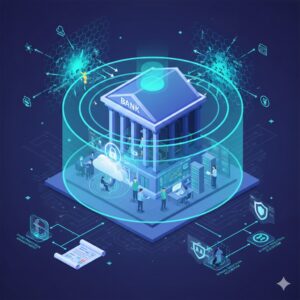
Banks are among the most targeted institutions for cybercriminals. The sensitive data and large sums of money they handle make them prime targets for a range of high-risk threats. Understanding these threats and knowing how to mitigate them is crucial for any financial organization.
Common High-Risk Threats Facing Banks
Cybercriminals employ sophisticated tactics to target financial institutions, including banks. Phishing attacks, ransomware, insider threats, and distributed denial-of-service (DDoS) attacks are among the most significant threats. To address these risks, institutions often turn to banking cybersecurity strategies for scalable digital banking as a foundation for their defense strategies.
Phishing and Social Engineering Attacks
Phishing remains a top concern for banks. Attackers craft convincing emails or messages to trick employees or customers into sharing sensitive information. Once criminals gain access, they can move laterally within the bank’s systems, causing widespread harm. According to the Federal Trade Commission, phishing scams continue to increase and pose a risk to both institutions and individuals. For more information, visit the FTC’s resource on how to recognize and avoid phishing scams:
Ransomware Threats
Ransomware attacks can cripple banking operations by locking important files and demanding payment for their release. Banks must have strong backup and recovery procedures in place to reduce the impact of such incidents. The Cybersecurity & Infrastructure Security Agency (CISA) offers guidance on how to protect against ransomware threats.
Insider Threats
Not all risks come from outside. Employees, contractors, or partners with access to sensitive systems can intentionally or accidentally cause data breaches. Regular security training and strict access controls are crucial in preventing insider threats. The Carnegie Mellon Software Engineering Institute provides resources for managing insider risks.
DDoS Attacks and Service Disruption
Distributed denial-of-service (DDoS) attacks overwhelm banking networks, making online services unavailable to customers. These attacks can erode trust and lead to financial losses. Banks should use network monitoring tools and implement traffic filtering to block malicious requests.
Third-Party and Supply Chain Risks
Banks often rely on third-party vendors for various services. If a vendor’s security is weak, attackers may use them as a backdoor into the bank’s systems. Conducting regular security assessments and requiring vendors to adhere to strict cybersecurity standards helps mitigate this risk.
Emerging Threats: Deepfakes and Synthetic Identity Fraud
A new class of threats is emerging as technology continues to advance. Deepfakes, AI-generated audio or video forgeries, can be used to trick employees into authorizing fraudulent transactions or to bypass security systems. Synthetic identity fraud is another sophisticated tactic, where criminals create fictitious identities using a combination of real and fake data. These methods are more difficult to detect and can circumvent traditional verification tools. The Federal Reserve has published in-depth research on synthetic identity fraud and its impact on the financial sector.
Mitigation Strategies for High-Risk Threats
To reduce exposure to high-risk threats, banks should adopt a multi-layered security approach. This includes employee training, regular software updates, strong authentication, and frequent security audits. Incident response plans enable banks to respond quickly and effectively to contain and recover from attacks. Collaboration with law enforcement and information sharing with other financial institutions can also strengthen defenses against coordinated attacks.
Regulatory Compliance and Security Standards
Compliance with industry regulations is essential for banks to maintain trust and avoid penalties. Standards like the PCI DSS, GLBA, and FFIEC provide frameworks for securing financial data and operations. Staying up to date with regulatory changes is crucial for ongoing protection. The Office of the Comptroller of the Currency provides guidance on regulatory expectations for banks.
The Role of Cybersecurity Awareness and Training
Employees are often the first line of defense. Regular cybersecurity awareness training helps staff recognize phishing attempts, suspicious activities, and proper data handling. Creating a culture of security within the organization reduces the chance of successful attacks. Training should be ongoing and updated to reflect new threats.
The Importance of Incident Response and Recovery
Even with strong defenses, breaches can still occur. Banks need detailed incident response plans to quickly identify, contain, and resolve security incidents. Regular drills and tabletop exercises help prepare staff for real-world scenarios. Recovery plans should focus on restoring operations, communicating with customers, and reporting incidents to regulators. The National Institute of Standards and Technology (NIST) provides a comprehensive guide to incident response for organizations.
Future Trends in Banking Cybersecurity
As cyber threats evolve, banks must stay ahead by adopting new technologies such as artificial intelligence for threat detection and blockchain for secure transactions. The use of machine learning can help identify unusual patterns that may signal attacks. Ongoing investment in security infrastructure will be vital for defending against emerging risks.
Conclusion
Banks face a wide range of high-risk cyber threats that can have serious consequences for their operations and reputation. By understanding these threats and implementing strong security measures, banks can protect themselves and their customers. Regular training, compliance with regulations, and proactive risk management are key to staying secure in the fast-changing digital landscape.
FAQ
What are the most common cyber threats to banks?
The most common threats include phishing attacks, ransomware, insider threats, and DDoS attacks.
How can banks protect themselves from ransomware?
Banks can protect themselves by maintaining regular backups, updating software, and training staff to identify suspicious emails.
Why is employee training important in banking cybersecurity?
Employee training helps staff recognize and avoid common cyber threats like phishing, reducing the risk of security breaches.
What is the role of regulatory compliance in banking security?
Regulatory compliance ensures banks follow industry standards to protect sensitive data and maintain customer trust.
How do DDoS attacks affect banks?
DDoS attacks can disrupt online banking services, causing inconvenience for customers and potentially leading to financial losses.


eSIM e mobilità digitale: come la tecnologia sta semplificando i viaggi moderni

The hidden role of industrial cameras in robotics and logistics

Grandparents’ Rights In North Carolina When Can You Seek Visitation

Piso Wifi 10.0.0.1 Pause Time – Complete Guide

How To Create a Home Office on a Budget