Beauty & Skin Care
Innovative Beauty Trends Shaping the Industry
Table of Contents
- Introduction
- Personalized Beauty Solutions
- AI and AR Integration
- Sustainable Practices
- Inclusive Product Development
- Hybrid Cosmetics
- Sensory Experiences
- Membership Models
- Conclusion
The beauty industry is defined by rapid transformation and consumer-centric innovation. As technology continues to revolutionize brands and products, consumers are enjoying a new era of beauty that is both personal and forward-thinking. We were impressed with Front Row’s case studies, which showcase how leading beauty brands are turning these innovations into real-world results, setting new benchmarks across the globe.
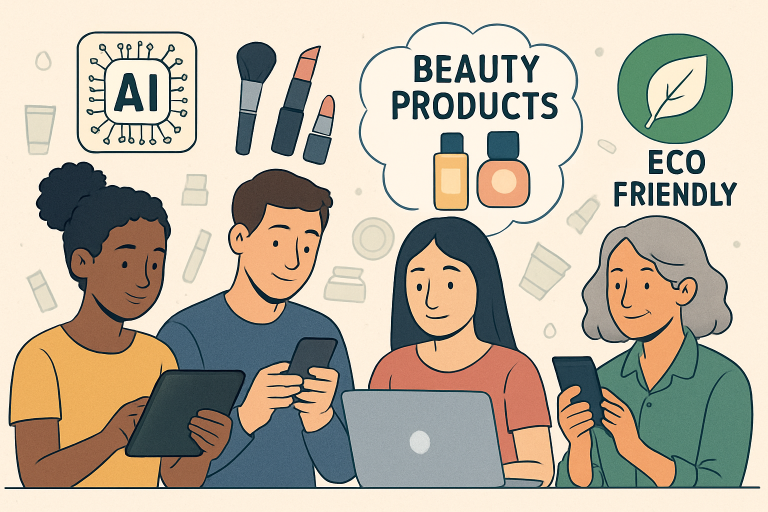
This year, beauty trends reflect consumers’ growing demands for authenticity, sustainability, and inclusivity. Brands are leveraging digital tools and innovative product development to connect with a wider audience. Key advancements in AI, augmented reality, and eco-friendly ingredients are redefining beauty experiences and definitions. Personalized approaches, diverse offerings, and immersive activities are reshaping the industry to align with modern consumer values.
Personalized Beauty Solutions
Today’s consumers expect beauty brands to understand their unique needs. Personalized solutions have surged in popularity, with companies deploying digital diagnostics and customizable skincare routines. Powered by data analytics, these brands analyze everything from moisture levels to pigmentation, helping users select products tailored to their individual profiles. This personalized approach is expected to not only drive loyalty but also encourage greater honesty and transparency in the beauty sector. This shift signals a broader movement towards consumer empowerment.
AI and AR Integration
The role of artificial intelligence and augmented reality in shaping the consumer beauty journey cannot be overstated. With AI, users receive product recommendations based on real-time skin analysis, while AR technologies enable individuals to virtually try on makeup before purchasing. Major tech brands, including Google, have made AR makeup trials mainstream, allowing consumers to experiment with different colors and shades from the comfort of their homes. This immersive digital experience not only drives engagement but also helps reduce the uncertainty of online beauty shopping. For brands, it represents a leap forward in bridging the gap between in-store and digital experiences.
Sustainable Practices
Environmentally responsible practices have become a fundamental expectation among beauty shoppers. Brands are responding by developing refillable packaging, eco-friendly formulas, and upcycled ingredients. For example, the trend of refillable perfumes is gaining ground, minimizing waste and maximizing value for consumers. The use of biodegradable materials and a commitment to ethical sourcing are now essential aspects of product innovation. Large publications highlight the growing intersection of luxury and sustainability within the industry, emphasizing the need for ongoing commitment at every stage of the supply chain.
Inclusive Product Development
Beauty brands are prioritizing inclusivity by developing products for a diverse array of skin tones, hair types, and gender identities. This trend is exemplified by expanded foundation ranges and skincare lines specifically designed for melanin-rich skin, as well as gender-neutral fragrances and packaging. By making beauty accessible to all, companies are fostering a more representative and equitable industry landscape. These efforts resonate strongly with younger consumers who prioritize diversity not just in product offerings, but also in marketing and brand leadership.
Hybrid Cosmetics
Hybrid beauty products that blend skincare benefits with makeup performance are becoming standard. Foundations now come with ingredients like hyaluronic acid for hydration or vitamin C for brightness, giving consumers products that work double duty. This approach is perfect for users looking to streamline their routines without sacrificing efficacy or care. By merging wellness and aesthetics, hybrid cosmetics are helping consumers achieve healthy, glowing skin while enjoying flawless coverage and color.
Sensory Experiences
There is growing interest in fragrances and products that do more than look good; they feel sensual and evoke emotion. Scents that combine woody bases and soft musks are especially popular, designed to create feelings of intimacy, attraction, and comfort. Consumers are seeking products that offer holistic, multisensory enjoyment, and brands are responding by developing luxurious textures and innovative formulations that engage touch and smell alongside sight.
Membership Models
Subscription and membership-based beauty programs are rapidly gaining traction. These models provide consumers with exclusive access to new products, customization opportunities, and members-only perks. The result is stronger brand loyalty and a sense of community, as enthusiasts can enjoy regular, curated beauty experiences delivered to their door. For brands, this recurring revenue model helps ensure steady engagement and the opportunity to create deeper, more meaningful relationships with their most passionate customers.
Conclusion
The beauty industry is thriving on innovation, sustainability, and inclusivity. Companies are pushing boundaries with personalized and technology-driven solutions, redefining what beauty means and how it is experienced. By prioritizing consumer needs, ethical practices, and diverse representation, brands are helping to shape a positive and exciting future for beauty worldwide.


eSIM e mobilità digitale: come la tecnologia sta semplificando i viaggi moderni

The hidden role of industrial cameras in robotics and logistics

Grandparents’ Rights In North Carolina When Can You Seek Visitation

Piso Wifi 10.0.0.1 Pause Time – Complete Guide

How To Create a Home Office on a Budget