Dentistry
Modern Implants: The Key to a Natural-Looking, Confident Smile
Key Takeaways
- Dental implants provide a permanent solution for missing teeth, closely mimicking natural teeth in appearance and function.
- Advancements in technology have improved the precision and success rates of implant procedures.
- Implants help preserve jawbone structure, preventing facial sagging that can occur with tooth loss.
- Restoring a complete smile can significantly enhance self-esteem and social interactions.
Table of Contents
- Understanding Dental Implants
- Technological Advancements in Implantology
- Preserving Jawbone Health
- Enhancing Self-Esteem and Social Interactions
- The Durability and Maintenance of Dental Implants
- Who Is a Candidate for Dental Implants?
- Conclusion
Dental implants have revolutionized dental care, providing a lasting, natural-looking solution to missing teeth that enhances both function and facial aesthetics. For individuals considering advanced dental solutions, Full Mouth Dental Implants in Rockville MD, provides a comprehensive approach to restoring a brilliant, confident smile. Whether you are dealing with the consequences of tooth loss or want a more reliable replacement than dentures, understanding the modern implant process can help you make an informed decision about your oral health. Not only do implants offer exceptional durability and realism, but newer technologies have made the process safer, faster, and more predictable than ever before. From the initial consultation to the completed restoration, advancements in dental materials, imaging, and surgical techniques enable a customized, comfortable experience tailored to the patient’s unique needs.
Understanding Dental Implants
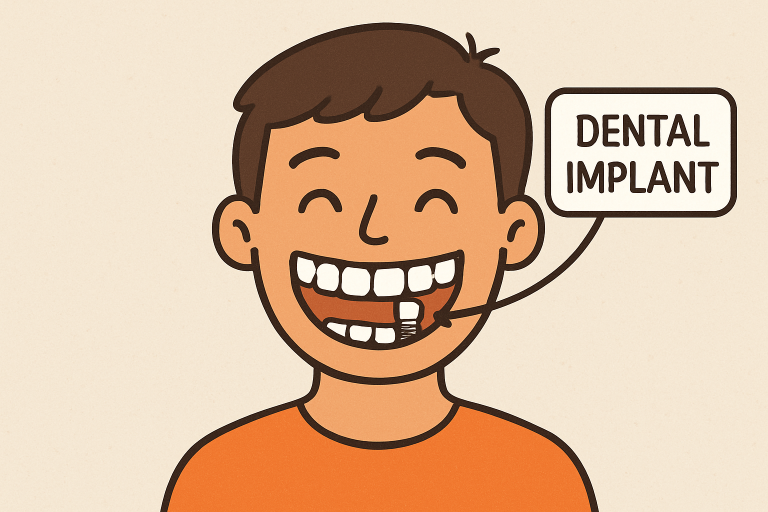
Dental implants are biocompatible titanium posts that function as artificial tooth roots. Once placed in the jawbone, a process known as osseointegration enables the implant and bone to bond, creating a remarkably strong foundation for crowns, bridges, or dentures. Unlike removable dentures, implants restore the stability, appearance, and bite force of natural teeth, making them an ideal solution for most adults who have lost teeth due to injury, decay, or disease.
The process begins with a thorough evaluation of oral and overall health, followed by digital planning and precise surgical placement. Once the implant integrates with the bone, a process that typically takes a few months, a custom restoration is attached, completing the transformation for a seamless look and feel.
Technological Advancements in Implantology
Recent years have seen a leap in dental implant technology, making treatments more precise and less invasive. Digital imaging, including 3D cone-beam CT scans, provides dentists with an in-depth view of the jawbone’s structure, nerves, and sinuses, enabling the ideal placement of implants and reducing surgical risks. Computer-guided surgery enhances placement accuracy, while new surface treatments and biocompatible coatings expedite the osseointegration process and reduce healing times. Moreover, advances in custom abutments and prosthetics enable a perfect match in color, shape, and size, blending seamlessly with your existing teeth. These technological breakthroughs lead to higher long-term success rates and greater patient satisfaction, positioning implants as the gold standard in tooth replacement.
Preserving Jawbone Health
When a natural tooth is lost, the jawbone beneath it no longer receives the pressures of chewing, which can trigger bone resorption and lead to a sunken, prematurely aged appearance. Dental implants uniquely address this challenge by transmitting biting forces directly to the jawbone, thereby providing a stable foundation for replacement teeth. This stimulation helps maintain bone density and volume, preventing the collapse or “shrinking” of facial features often seen with traditional dentures. Maintaining jawbone health is not just about aesthetics, as it also protects remaining teeth and supports oral function. According to WebMD, this benefit is significant for long-term oral health and overall facial integrity, making implants the preferred option when compared to bridges or removable dentures.
Enhancing Self-Esteem and Social Interactions
Living with missing teeth can affect how individuals perceive themselves and interact with others. The gap left behind can lead to speech impediments, difficulty eating, or a reluctance to smile in photos and conversations. Dental implants restore the natural appearance of teeth, empowering people to speak, eat, and express themselves confidently in any setting, whether at work, in social gatherings, or during family events.
Patients often describe feeling rejuvenated, experiencing a significant boost in self-esteem, and finding comfort in knowing their smile looks and feels genuine. This psychological benefit is an essential, yet often overlooked, aspect of dental implant success, significantly enhancing the quality of life for many recipients.
The Durability and Maintenance of Dental Implants
Dental implants are built for longevity. With proper oral hygiene, including daily brushing, flossing, and routine professional cleanings, the majority of dental implants can last for decades, often for the rest of one’s life. Unlike traditional dentures, there’s no need for adhesives or soaking overnight, which streamlines your daily routine and removes the hassle associated with removable prosthetics. Regular dental checkups are crucial for detecting potential issues early, ensuring that both the implant and surrounding gum tissue remain healthy. Reported success rates of implants exceed 95% in patients who maintain good oral health, making this an investment not only in your appearance but also in your long-term dental well-being.
Who Is a Candidate for Dental Implants?
The majority of adults with good general and oral health are suitable candidates for dental implants. Adequate jawbone mass is necessary to support the titanium post; in cases where bone volume is insufficient, grafting procedures can create a stable base for implantation. Certain chronic illnesses, smoking, or unmanaged diabetes may pose risks to healing or integration of the implant, so a comprehensive evaluation and discussion with your dental provider is essential before planning treatment.
Conclusion
Modern dental implants represent a breakthrough in restorative dentistry, blending strength, beauty, and biocompatibility to help patients reclaim their confident smile. With ongoing advances in technology and materials, implants are more accessible and successful than ever, making them a preferred choice for restoring oral function and self-assurance in people of all ages.


eSIM e mobilità digitale: come la tecnologia sta semplificando i viaggi moderni

The hidden role of industrial cameras in robotics and logistics

Grandparents’ Rights In North Carolina When Can You Seek Visitation

Piso Wifi 10.0.0.1 Pause Time – Complete Guide

How To Create a Home Office on a Budget