Dentistry
Preventing Gum Disease in Everyday Life
Table of Contents
- Understanding Gum Disease
- Daily Oral Hygiene Practices
- Diet and Nutrition
- Regular Dental Check-ups
- Lifestyle Factors
- Recognizing Early Signs
- Treatment Options
- Conclusion
Gum disease, also known as periodontal disease, is a widespread yet highly preventable oral health problem. Left unchecked, it can lead to tooth loss and even affect your overall health. Incorporating healthy habits into your daily routine and recognizing risk factors is essential for protecting your gums. For local support and professional insights, consider seeking gum disease treatment Lilburn, GA if you reside in the area or are looking for comprehensive care options.
Forming consistent oral hygiene habits, understanding your dietary choices, and making positive lifestyle changes not only protect your gums but also support a healthy, confident smile. Awareness of early warning signs and timely action are crucial to preventing gum disease from progressing to more serious stages. Establishing a relationship with a dental professional allows for personalized guidance tailored to your unique needs.
According to the American Academy of Periodontology, gum disease affects nearly half of U.S. adults aged 30 and older, ranging from mild inflammation to severe tissue and bone damage. A proactive approach can make a significant difference, potentially preserving both your oral and overall well-being for years to come.
Understanding Gum Disease
Gum disease is categorized on a spectrum that includes gingivitis, the earliest stage characterized by red, swollen gums that bleed easily, and periodontitis, a more severe condition in which gums pull away from the teeth, forming spaces that become infected. As the immune system fights the bacteria, the bone and connective tissue that hold teeth in place can be destroyed. Without intervention, tooth loss is likely. According to the Centers for Disease Control and Prevention, gum disease is a leading cause of tooth loss among adults.
Daily Oral Hygiene Practices
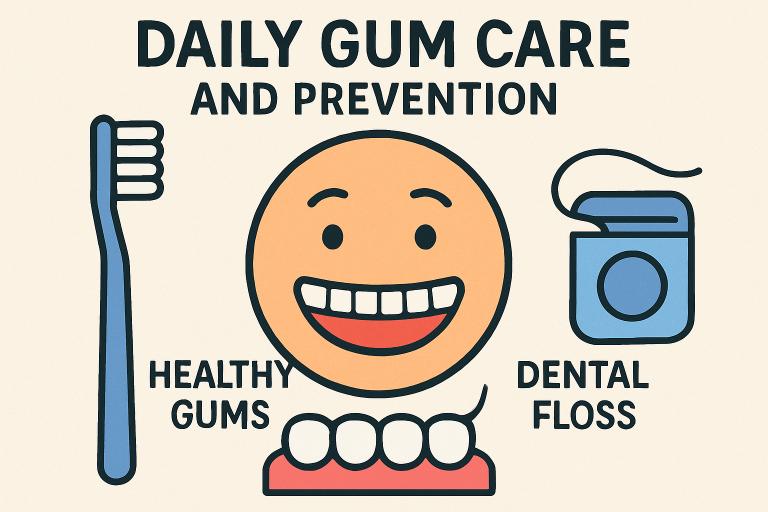
Daily at-home care is the foundation of gum disease prevention. Simple but effective practices help remove plaque (a sticky film of bacteria that forms on teeth) and prevent the development of tartar that can only be removed professionally. Key oral hygiene steps include:
- Brushing Twice a Day: Use a soft-bristled toothbrush and fluoride toothpaste, and brush for 2 minutes to reach all areas of your teeth and gumline. Replace your toothbrush every three to four months.
- Flossing Daily: Floss between every tooth, curving around the gumline, to remove food particles and plaque that brushing alone misses.
- Mouthwash: An antimicrobial or fluoride mouth rinse can help reduce bacteria and strengthen tooth enamel. Opt for alcohol-free formulas if you have sensitive gums.
Good technique and consistency are as important as the products you choose.
Diet and Nutrition
Eating a well-balanced diet supports immune health and helps your mouth resist infection. Foods rich in vitamin C, such as oranges, strawberries, and bell peppers, boost gum resilience and healing. Leafy greens, whole grains, nuts, and seeds provide vitamin E and antioxidants to fight inflammation. Omega-3 fatty acids, found in fish like salmon and in flaxseeds, may further reduce gum inflammation. Avoid excessive sugar and acidic drinks, which feed plaque-causing bacteria and erode gum tissue.
Regular Dental Check-ups
Scheduling professional dental visits at least twice a year is critical for maintaining gum health. Dental cleanings remove tartar (hardened plaque) that cannot be eliminated by brushing or flossing alone. Regular checkups also allow your dentist to identify the early signs of gum disease, provide personalized home care recommendations, and intervene promptly when issues arise. The American Dental Association emphasizes the value of preventive dental visits for long-term oral health.
Lifestyle Factors
Everyday lifestyle factors, such as tobacco use and stress, play a significant role in gum health:
- Smoking: Tobacco restricts blood flow to the gums, impairs healing, and increases the risk and severity of gum disease. Quitting smoking is one of the most effective ways to reverse gum damage and enhance treatment outcomes.
- Managing Stress: High stress levels can weaken your body’s immune system, making you more susceptible to gum inflammation and disease.
- Medical Conditions: Conditions such as diabetes can increase the risk of gum disease. Managing underlying health issues is important in maintaining gum health.
Recognizing Early Signs
Early detection of gum disease can prevent serious complications. Common early symptoms include:
- Red, swollen, or tender gums
- Bleeding when brushing or flossing
- Persistent bad breath or a metallic taste in the mouth
- Gums that are receding or pulling away from your teeth
If you experience any of these signs, schedule an appointment with your dentist as soon as possible. Prompt intervention can halt disease progression and preserve your oral health.
Treatment Options
If gum disease does develop, there are effective treatments. Early cases (gingivitis) often respond to improved oral hygiene and professional cleanings. More advanced gum disease (periodontitis) may require scaling and root planing, a deep-cleaning procedure that removes plaque and calculus from below the gumline. Severe cases might necessitate surgical interventions, such as gum grafts or flap surgery. Your dental team will recommend tailored solutions based on severity and response to initial treatments.
Conclusion
Preventing gum disease requires a proactive mindset—daily brushing and flossing, mindful dietary choices, regular check-ups, and attention to lifestyle risk factors. Early recognition and intervention can make the difference in maintaining healthy gums throughout your life. By taking these steps, you safeguard not only your smile but also your overall health and well-being.


eSIM e mobilità digitale: come la tecnologia sta semplificando i viaggi moderni

The hidden role of industrial cameras in robotics and logistics

Grandparents’ Rights In North Carolina When Can You Seek Visitation

Piso Wifi 10.0.0.1 Pause Time – Complete Guide

How To Create a Home Office on a Budget