Home Improvement
Top Materials for a Durable Summer House Shed Construction
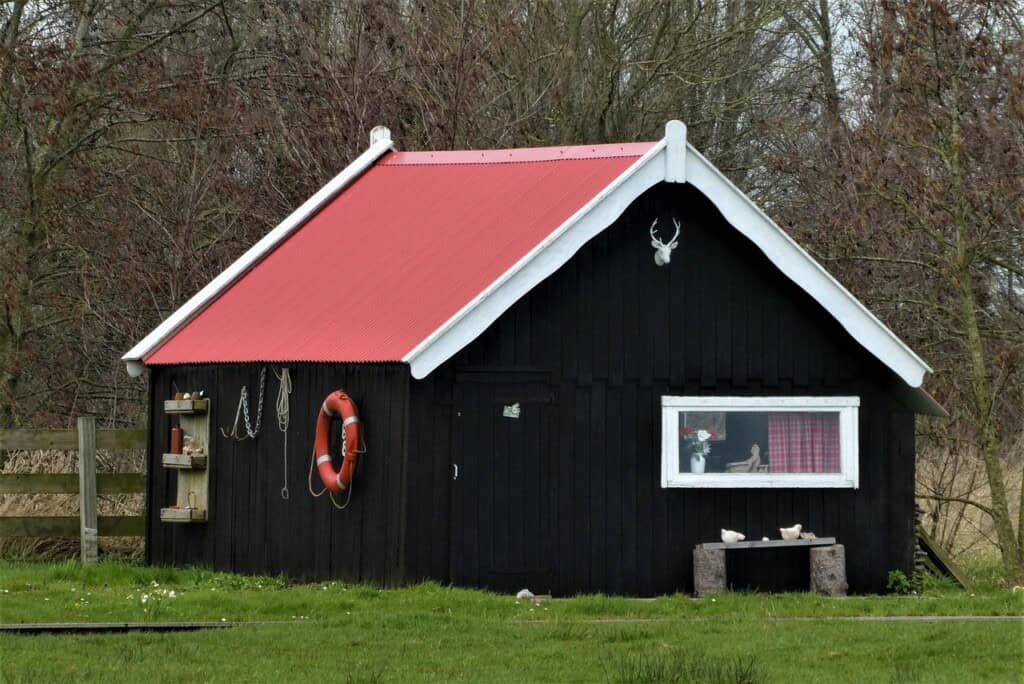
So, you’ve decided to build a summer house shed. Good choice! But now you’re wondering which materials are best for a long-lasting construction.
The great news is that a bit of forethought and research can see you building a shed that’ll grace your garden for decades to come. It all starts with choosing the right materials for the job. Get it wrong, and you’re at the mercy of rot and decay, literally watching your investment money go up in smoke.
Get it right, however, and you’ll be loving your outdoor living space for years to come.
The best way to do that is to understand the benefits and weaknesses of different construction materials.
In this handy guide, we’ll cover:
- Why material choice is so important for summer house sheds
- The best materials for long-lasting construction
- How to pick the right one for your home improvement project
- Maintenance tips to make your shed last as long as possible
Why is Material Choice Important for Summer House Sheds?
A summer house shed is a different beast to an average garden shed.
It’s designed as an attractive living space, not just a place to store your tools and junk. That means the materials used should be as good to look at as they are to withstand the elements.
The global garden sheds market is expected to grow at a 5.1% CAGR until 2030, driven by the highest growth in weather-resistant and eco-friendly materials (CAGR of 6.2%). This shows that durability is a homeowner’s number one priority.
When looking for a quality summer house with free installation, the material should be your first consideration. It determines just how long the finished structure will last before needing replacement and how much ongoing maintenance will be required.
So let’s look at what’s out there…
Pressure-Treated Timber Is Best
Wood remains the most popular choice for building summer house sheds. And for good reason.
Pressure-treated timber offers the best balance of aesthetics, durability, and cost when building a summer house shed. The treatment process forces preservatives deep into the material. This gives you far superior protection against rot, decay, and insect attack compared to surface treatments alone.
How long does it last, though?
Expect 20 to 25 years from a pressure-treated timber summer house shed when given the proper care. They can even stretch to 30 years or more if well-maintained.
Compare that to untreated softwood, which only manages 5 to 10 years of life before showing serious signs of rot or warping. That’s quite the difference.
Which Timber Types to Use
Not all wood is created equal. Here’s a quick look at the main timber types and what to expect from each:
- Cedar and redwood are naturally resistant to decay and insect attack. Expect 20 to 30 years of life. Premium pricing but very low maintenance.
- Pressure-treated pine offers excellent durability for less money. Requires a reseal every 2 to 3 years.
- Spruce is a budget-friendly option but needs annual treatment. Shorter life of 10 to 15 years.
For a summer house shed that’s doubling as a living space, cedar or pressure-treated pine are the smartest material choices. Both will hold up well and look great in any garden.
Metal Sheds: Easy Maintenance Choice
Metal sheds have a place in the home improvement space.
They resist rot and insect attack completely. No more wood-boring bugs to worry about or fungal decay eating your shed from the inside out.
However, there is a downside to metal for summer house use.
Metal conducts heat and cold. Expect sweltering summer temperatures inside and freezing winters. Not the relaxing retreat you were probably after when building a summer house shed.
Steel sheds last 15 to 20 years with proper care. The big enemy is rust. Regular inspections and touch-up paint stops corrosion before it can take hold.
Look for galvanised steel or aluminium sheds. These resist rust far better than standard steel.
Vinyl and Composite Materials
Vinyl sheds are growing in popularity for good reasons.
They need almost no maintenance and can last 25 to 30 years without much hassle. No painting, no staining, just the occasional wash to keep things looking fresh.
Composite materials mix wood fibres with plastic. They have a wood appearance but resist rot and insect damage. Composite sheds last 20 to 30 years with minimum care.
The downside?
Both options often lack the natural beauty and warmth of real wood. For a summer house shed that’s supposed to be an attractive feature in the garden, this can be a dealbreaker.
Roofing Materials That Last
The roof takes the biggest beating from the elements.
As such, choosing the right roofing material is just as important as what the walls are made from. Here are the best options for a long-lasting summer house shed:
- EPDM rubber: Great waterproofing and a lifespan of 25+. This is a popular choice for flat or low-pitch roofs.
- Cedar shingles: Natural look with a 20 to 30 year lifespan. Needs occasional maintenance.
- Metal roofing: Extremely durable and fire-resistant. Expect 40+ years with the right coating.
- Felt roofing: Budget option but needs replacing every 5 to 10 years.
Remember that a good roof is worth its weight in gold. A summer house shed with a leaky roof is a death sentence for even the best wall materials over time.
Foundation Choices for a Good Base
Materials on the ground beneath your shed matter too.
A proper foundation lifts the structure off the ground to prevent moisture from wicking into the shed. It also helps to keep everything level and stable. Neglecting to build a foundation will shorten the lifespan of your shed dramatically.
Concrete slabs are the most durable foundation material. Prevent ground moisture from reaching the timber. Cost around $4 to $10 per square foot.
Pressure-treated timber bearers are fine for smaller sheds. They keep the floor raised off the ground while keeping costs down.
Gravel pads provide good drainage and stability at a lower cost.
Getting Your Materials to Last Longer
All this is no good if you don’t look after your summer house shed once it’s built.
With the right maintenance, you can make the best materials last longer:
- Apply a wood preservative every 1 to 3 years (depending on type)
- Check for cracks and splits annually
- Clear gutters and drainage to prevent pooling
- Treat rust spots as soon as you see them on metal parts
- Ensure there’s good ventilation to prevent moisture buildup inside
As the National Gardening Association reported, in 2022, 35% of American households took part in gardening activities. This means more and more people than ever before are putting their money into outdoor structures. By properly maintaining it, you’re protecting that investment.
Summer House Shed Materials Recap
Choosing the best materials for building a summer house shed construction makes all the difference between a shed that lasts 10 years and one that lasts 30.
Pressure-treated timber gives the best combination of durability, looks, and value for most home improvement projects. Premium alternatives like cedar offer even longer lifespans with less work.
Consider the climate you’re building in, your budget, and how much maintenance you’re willing to do. Then choose materials that suit those needs.
Summary
- Pressure-treated timber sheds can last 20 to 25 years with proper care
- Metal sheds resist rot but require rust prevention
- Vinyl and composite offer low maintenance but don’t look as good
- Quality roofing and foundations are vital to overall lifespan
By starting with the best materials, you can rest assured that your summer house shed will be gracing your garden for many decades to come.


eSIM e mobilità digitale: come la tecnologia sta semplificando i viaggi moderni

The hidden role of industrial cameras in robotics and logistics

Grandparents’ Rights In North Carolina When Can You Seek Visitation

Piso Wifi 10.0.0.1 Pause Time – Complete Guide

How To Create a Home Office on a Budget