Car Accidents Law
Types of Compensation You Might Be Eligible For After a Wreck
Key Takeaways
- Car accident compensation covers both economic losses (such as medical bills and lost wages) and non-economic damages (such as pain and suffering and loss of enjoyment of life).
- Documentation is essential to support your claim, especially for medical expenses and lost income.
- Punitive damages are available in cases involving gross negligence or reckless conduct.
- Consulting with a legal professional strengthens your case and protects your interests.
Experiencing a car accident brings not only immediate shock and pain but also a range of challenges, from medical recovery to financial setbacks. Understanding the types of compensation available is crucial as you begin rebuilding your life. If you’re overwhelmed and need clarity, a car wreck lawyer Memphis can help you navigate your options and maximize the recovery you deserve.
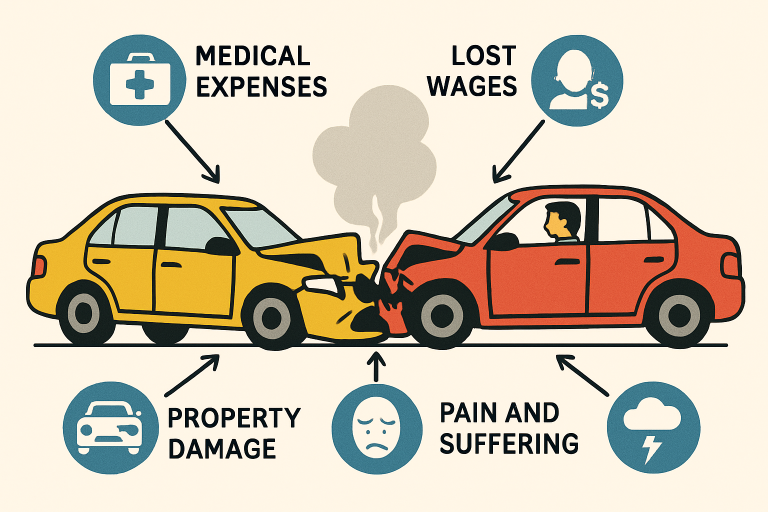
The damages you could be entitled to after a car accident extend beyond just your medical bills. Whether you face loss of wages, ongoing medical treatment, property damage, or the pain and suffering caused by the experience, getting familiar with the types of compensation is critical for a full and fair claim.
These forms of compensation include both economic and non-economic damages, each designed to address different consequences of your accident. With the right approach and documentation, you may also uncover additional forms of compensation you hadn’t considered. In rare but serious cases, punitive damages may be awarded to punish culprits for reckless behavior and to send a clear deterrence message.
Car accidents can leave you feeling vulnerable, but learning about your options can provide some control in a difficult situation. By understanding the various facets of possible compensation, you equip yourself with the knowledge needed to advocate for your rights and begin healing.
Medical Expenses
Medical costs are usually the most immediate concern after a wreck. Compensation may cover all reasonable medical expenses related to your injuries, including:
- Ambulance and emergency care
- Hospital stays
- Surgery costs
- Specialist visits
- Physical therapy and rehabilitation
- Prescription medications
- Long-term or future medical care as prescribed by a healthcare provider
Be diligent about keeping all receipts, medical bills, and detailed records from healthcare providers. These will be vital when demonstrating the true cost of your injuries to insurance companies or in court.
Lost Wages and Loss of Earning Capacity
After a significant accident, you may be unable to work during your recovery. Compensation can include:
- Lost income from missed days or weeks at your job
- Loss of bonuses, tips, and opportunities for advancement
- Projected future earnings if the accident left you with a permanent disability or diminished capacity to work
Gather pay stubs, employer letters, and medical documentation to support your claim. This documentation is essential to validate that your inability to work is directly tied to your accident-related injuries.
Pain and Suffering
Pain and suffering damages address the physical pain and emotional hurt caused by a car accident. They are harder to quantify than economic losses, but are just as important. Compensation is determined by looking at:
- The severity and impact of your injuries
- The duration of your recovery time
- Whether you have suffered long-term or chronic pain
Insurance adjusters and courts weigh these factors carefully, often referencing medical records, therapist notes, and your personal account of your pain and discomfort.
Emotional Distress
Beyond physical injuries, a car accident can deeply affect your mental health. Many people experience anxiety, depression, or even post-traumatic stress disorder (PTSD) following a severe collision. Compensation may cover:
- Counseling and therapy expenses
- The cost of medications or other treatments prescribed by mental health professionals
- The overall impact of psychological harm on your daily life
The acknowledgment of mental health injuries in accident claims is growing, and courts now recognize the need to support victims facing emotional as well as physical recovery.
Property Damage
Compensation following a wreck also covers direct losses to your property. This may include:
- Repair or replacement costs for your vehicle
- Loss of use or rental car expenses while your car is being repaired
- Personal property (such as phones, computers, or eyeglasses) damaged or lost in the collision
Collect estimates, receipts, and photographs of all damaged property. These will strengthen your position when dealing with insurance claims or presenting the case in court.
Loss of Enjoyment of Life
If an accident prevents you from participating in hobbies or activities you once enjoyed, you may qualify for damages for loss of enjoyment of life. This compensation seeks to address changes to your lifestyle and your overall quality of living as a result of your injuries. This type of damage is subjective but recognized by courts, particularly in cases of lasting disability or disfigurement.
Punitive Damages
Punitive damages are rarely awarded, but can apply if your accident was caused by someone acting with gross negligence or reckless disregard for your safety. These damages go beyond compensation and serve as a warning against dangerous conduct. Awarding punitive damages requires strong evidence of egregious or intentional wrongdoing, making legal representation critical if you believe your case qualifies.
Conclusion
Recovering from a car wreck can involve a labyrinth of physical, emotional, and financial challenges. By understanding the full range of compensation you may be eligible for, including economic damages, non-economic damages, and in some cases, punitive damages, you give yourself the best chance at a robust recovery. Seeking knowledgeable guidance from a legal professional can make the process less intimidating and ensure you are fully supported as you work toward putting the accident behind you.


eSIM e mobilità digitale: come la tecnologia sta semplificando i viaggi moderni

The hidden role of industrial cameras in robotics and logistics

Grandparents’ Rights In North Carolina When Can You Seek Visitation

Piso Wifi 10.0.0.1 Pause Time – Complete Guide

How To Create a Home Office on a Budget