HVAC
Understanding Water Heater Rebates for Smarter Home Upgrades
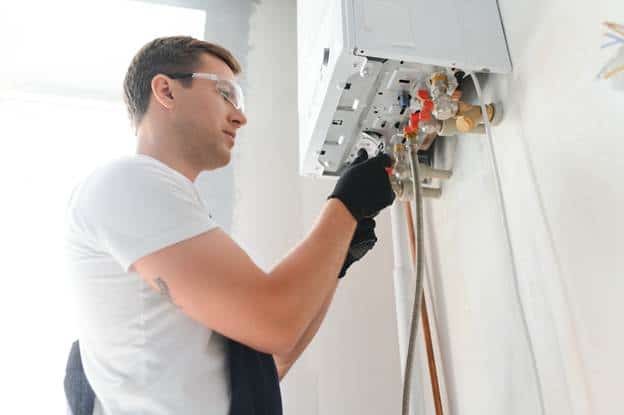
One of the major decisions many homeowners make is to replace their water heaters at home. This is because the appliance is expensive, but choosing the right one is actually going to help decrease monthly bills, especially if they are efficient.
Exploring your options and knowing more about rebates can help you make better decisions. Homeowners are now able to lower their initial payments when they move towards equipment that performs better. These are specifically incentives that encourage people to choose eco-friendly alternatives. Understanding if these offers are available to you and how they work can make your upgrade journey better.
Some might not realize just how much benefit they can get from modern appliances. Older systems tend to use a lot of energy, and many are breaking down more frequently, resulting in expensive repairs. If you combine the costs with the current utility rates, it’s clear that the wrong heater can drain your finances every month.
On the other hand, rebates are going to give you a more practical way moving forward. Lessen the initial payments that you’re going to make towards these systems that have higher efficiencies. Save with water heater rebates when you buy the right models run by electric heat pumps.
What Water Heater Rebates Actually Provide?
These programs are currently in place to encourage homeowners to select a system that consumes less energy to lessen their environmental impact. Utility companies may partner with regional programs to promote heaters that can reduce the overall demand from the electric grid.
If these newer systems are adopted by consumers, it can ease a lot of pressure from the electricity providers, and it’s also going to result in more savings. Many offers might come directly from state agencies, while others can be provided by the manufacturers. It’s going to give households a financial advantage when they start adopting these.
Not all programs are the same, but many of them may cover new gas heater models and those that use heat pumps to produce hot water with less energy. Others may have features like better insulation with built-in systems that can protect against unnecessary energy losses. Households are able to benefit from steady temperatures all year round with these. See more about heat pumps when you click here.
Claiming the Tax Credits

What you need is to buy an eligible appliance or do a home upgrade that’s included in the list of the Department of Energy. Tax credits that are valued at 30% of the total amount paid by the consumer are available, and the maximum credit allowed is around $2000 annually. Rebates for home improvements can be up to $8000 off if they help reduce the energy use in the households.
Submit a form and make sure that you meet the requirements of the IRS. Fill in form 5695, and on the rebate’s portal, check the status of any programs available in your locality. Tax credits can be available for both geothermal and air-source heat pumps, so you have more options when deciding which one is good for your home.
The credit is non-refundable, so this means that you can only claim the figure that’s up to the amount of your taxes, and excess is not carried forward. This depends on state implementation, so it’s best to ask for it before moving forward. Read posts about the credits in this link: https://www.investopedia.com/terms/t/taxcredit.asp.
Why Looking into Rebates Is Worth Your Time?
Homeowners are now looking for ways to save more, and getting a new water heater with rebates is a considerable investment. The discount is going to be a huge help in lightening their financial load, and the offers are going to guide them towards the units that have a strict energy-efficiency criterion. This way, they’re not making rushed purchases since the program is already highlighting specific models that last longer.
Also, there’s the impact that they can feel from their monthly expenses. Cutting down on the use of fossil fuels can mean plenty of savings. Even if the upfront prices are initially higher, the appliance can pay for itself relatively quickly, and this is considered to be a practical decision by a lot of homeowners.
Streamline your Search Through the Right Platform
Some websites have already listed the water heaters that you need and the programs that you can be qualified for. The requirements can be different depending on the type of heater that you get, but there are organizations that are offering incentives. Many websites are also gathering information from reliable sources, so you don’t need to search on your own.
Save time when you visit them and don’t get stuck guessing which models are going to give you the rebates. When you remove uncertainty from the equation, you can focus on the installation process of the heat pump water heater, and it makes the decision smoother.


eSIM e mobilità digitale: come la tecnologia sta semplificando i viaggi moderni

The hidden role of industrial cameras in robotics and logistics

Grandparents’ Rights In North Carolina When Can You Seek Visitation

Piso Wifi 10.0.0.1 Pause Time – Complete Guide

How To Create a Home Office on a Budget