Dentistry
What Happens When You Lose a Tooth: Risk of Bone Loss and Jaw Changes
Key Takeaways
- Tooth loss triggers bone resorption, which impacts the jaw structure and long-term oral health.
- Bone loss affects facial appearance and makes dental restorations more challenging.
- Preventive measures and prompt tooth replacement, such as dental implants, help preserve jawbone health.
The Immediate Impact of Tooth Loss
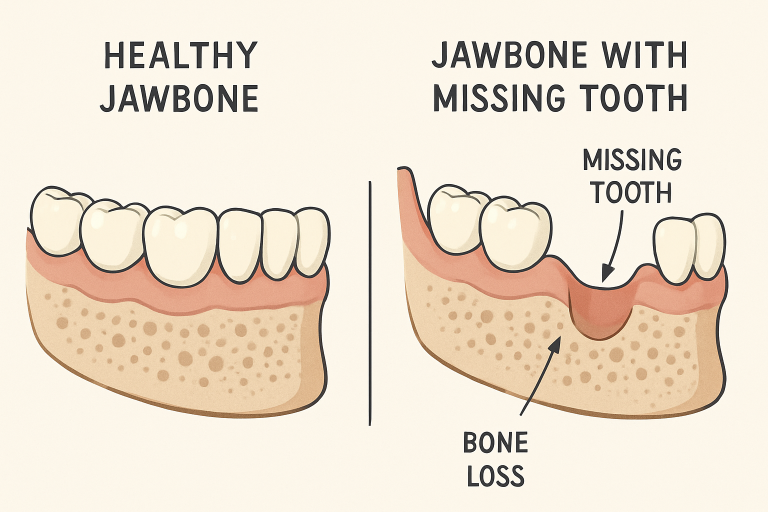
Many people don’t realize that losing a tooth does far more than leave an unsightly gap in your smile. When a tooth is lost, the jawbone beneath it is deprived of the regular stimulation it gets from biting and chewing. This crucial connection supports bone health and helps maintain the strength and shape of your jaw. Without that stimulation, the bone quickly begins to weaken and diminish—a process known as bone resorption. If you’re seeking solutions or preventive options, dental implants Coventry, RI offer an effective way to preserve bone health and restore both appearance and function.
Losing even a single tooth can disrupt your oral health in unexpected ways. The change is not limited to the affected area; it can set off a chain of events that impacts the stability of neighboring teeth and the jaw’s overall integrity. With ongoing bone loss, the neighboring teeth may begin to drift, and more complicated dental problems can arise if left untreated.
Understanding Bone Resorption
Bone resorption refers to the body’s natural process of breaking down bone tissue and absorbing its minerals back into the bloodstream. This process begins quickly after tooth loss—sometimes within just a few months—due to the lack of stimulation from the missing tooth. The jawbone is particularly dependent on the pressure from chewing to maintain its density and vitality. Without this regular stress, the rate of bone loss accelerates, making early intervention crucial for maintaining long-term oral health.
Over time, consistent bone resorption can lead to significant jaw shrinkage and structural changes. According to the Mayo Clinic, this bone loss can occur rapidly in the first year following extraction and continue at a slower rate for years to come. This is why timely treatment options, such as bone grafts or dental implants, are often recommended by dental professionals.
Consequences of Jawbone Deterioration
The gradual breakdown of the jawbone has several far-reaching effects. First, the structure of your face can change dramatically as the jaw loses volume and height. Sunken cheeks, altered lip structure, and a prematurely aged appearance may result. Second, missing bone density puts neighboring teeth at risk; they can shift out of position into the gap, leading to bite misalignments and greater wear on healthy teeth.
Dental restoration procedures also become more complicated with severe bone loss. For example, dental implants require a healthy base of bone for anchorage and stability. When bone has deteriorated significantly, additional grafting procedures may be necessary before implants can be placed, which can delay treatment and increase costs.
Preventing Bone Loss After Tooth Extraction
Fortunately, bone loss after tooth extraction is not inevitable. Proactive measures such as socket preservation can make a significant difference. This technique involves placing bone graft material directly into the socket immediately after extraction to encourage bone growth and maintain jaw height and width. This approach reduces the risk of rapid bone absorption and provides a solid foundation for future dental restorations, such as implants or bridges.
Your dental specialist will evaluate your bone health and recommend the most appropriate intervention based on the extent of bone loss and your long-term oral health goals.
The Role of Dental Implants
Dental implants have become the gold standard for tooth replacement because they address both functional and esthetic concerns. Implants replace not only the visible tooth but also the root structure, transmitting chewing forces directly to the jawbone. This stimulation halts bone resorption and maintains the natural contours of your jaw and face. Compared to alternatives like dentures or bridges, dental implants offer a permanent and stable solution that supports long-term bone health and enables confident eating, speaking, and smiling.
Because dental implants integrate directly with the jawbone (a process known as osseointegration), they are often recommended for patients who want a durable, natural-looking restoration. Your dentist may recommend preliminary procedures, such as bone grafting, if there is insufficient bone to support an implant initially.
Alternative Tooth Replacement Options
Although dental implants are an ideal solution for many, other tooth replacement methods are also available. Dental bridges use adjacent teeth to span the gap of a missing tooth. While bridges restore function, they do not prevent underlying bone loss because they don’t interact with the jawbone.
Partial dentures are removable dental appliances used to replace one or more missing teeth. They restore some function and aesthetics but generally lack the stability and jawbone-preserving benefits of implants. Over time, partial dentures may require adjustments as the jawbone continues to shrink. Each replacement option comes with its own set of advantages and limitations, and your dentist can help you make the best choice for your needs and lifestyle.
Maintaining Oral Health Post-Tooth Loss
Timely action following tooth loss is essential to preventing further oral health complications. Good oral hygiene, routine dental check-ups, and discussing replacement options with your dentist can help mitigate jawbone deterioration. Addressing tooth loss early not only protects your jaw structure but also reduces the risk of gum disease, bite misalignments, and additional tooth loss over time.
Staying proactive about your oral health helps maintain the foundation of your smile and preserves your confidence for years to come.
Final Thoughts
Tooth loss is far more than a cosmetic concern. Without timely intervention, it leads to bone resorption, jaw changes, and an escalation of oral health problems. Options like dental implants play a critical role in preventing bone loss, preserving facial structure, and supporting long-term well-being. Understanding your options and acting quickly can make all the difference in maintaining a healthy, vibrant smile.


eSIM e mobilità digitale: come la tecnologia sta semplificando i viaggi moderni

The hidden role of industrial cameras in robotics and logistics

Grandparents’ Rights In North Carolina When Can You Seek Visitation

Piso Wifi 10.0.0.1 Pause Time – Complete Guide

How To Create a Home Office on a Budget