Health
Why Continuity of Care Matters
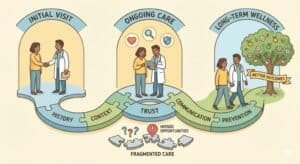
Most people think of healthcare as a series of appointments. You feel unwell, you book a visit, you get advice, and you move on. But the quality of care isn’t just shaped by what happens in a single consultation. It’s shaped by what your healthcare provider already knows about you, your history, and your long-term needs.
Continuity of care is about having a consistent relationship with the same medical team over time. Whether you’re managing a chronic condition or simply attending routine check-ups, being seen at the same practice, such as a Sydney CBD medical centre, can significantly affect the quality and outcomes of your care.
Healthcare works best when context is not lost
Every patient has a story. Past illnesses, family history, lifestyle factors, and previous treatments all influence future decisions. When care is fragmented across multiple providers, that context can easily be missed.
Continuity allows clinicians to build an understanding that goes beyond symptoms. Over time, patterns become clearer. Subtle changes are noticed earlier, and decisions are made with a fuller picture in mind.
This context is especially valuable when symptoms are complex or don’t fit neatly into a single diagnosis.
Better communication leads to better decisions
Strong communication is built on familiarity. When a healthcare provider knows a patient well, conversations tend to be more open and efficient. Patients are more likely to mention concerns early rather than waiting until something becomes serious.
Continuity of care supports:
- Clearer conversations about symptoms
- Greater trust between patient and clinician
- Fewer misunderstandings or repeated explanations
This trust encourages honesty, which is critical for accurate diagnosis and effective treatment.
Reducing the risk of gaps and duplication
Fragmented care often leads to repeated tests, conflicting advice, or overlooked follow-ups. Each new provider may only see part of the picture, increasing the risk of errors or delays.
With continuity, records are consistent and decisions are coordinated. This helps ensure:
- Test results are interpreted in context
- Follow-up actions aren’t missed
- Treatment plans remain aligned
The result is care that feels joined-up rather than disjointed.
Managing long-term health more effectively
Continuity of care is particularly important for people managing ongoing conditions. Chronic illnesses don’t exist in isolation; they evolve over time and often interact with other aspects of health.
Seeing the same medical team allows for:
- Ongoing monitoring rather than reactive treatment
- Adjustments based on long-term trends
- Early intervention when things begin to change
This proactive approach often leads to better outcomes and fewer complications.
The emotional side of consistent care
Healthcare isn’t only clinical. Feeling heard, understood, and supported plays a major role in how people experience care. Seeing a familiar clinician can reduce anxiety, especially during difficult or uncertain situations.
Patients are more likely to:
- Ask questions without hesitation
- Discuss sensitive topics
- Feel confident in the advice they receive
That emotional comfort can directly influence how well treatment plans are followed.
Saving time for both patients and providers
Continuity of care often makes appointments more efficient. Less time is spent reviewing background information, and more time can be spent addressing what actually matters during the visit.
For patients, this can mean:
- Shorter, more focused appointments
- Fewer repeat explanations
- Clearer next steps
For providers, it means better-informed decision-making and more meaningful interactions.
Supporting preventative care, not just treatment
When care is continuous, healthcare becomes less about reacting to problems and more about preventing them. Regular check-ins allow clinicians to spot early warning signs and recommend changes before issues escalate.
Preventative care thrives when there is an ongoing relationship, rather than one-off visits driven by immediate concerns.
Why consistency matters in busy lives
In fast-paced environments, it’s tempting to prioritise convenience over consistency. But seeing different providers each time can lead to fragmented advice and missed opportunities for early intervention.
Continuity doesn’t require constant visits. It simply means choosing a medical practice that values long-term relationships and coordinated care.
A stronger foundation for better health
At its core, continuity of care is about building a solid foundation. It allows healthcare to evolve alongside a patient, adapting to changes rather than starting from scratch each time.
When medical professionals know your history, your preferences, and your goals, care becomes more personalised, efficient, and effective. Over time, that consistency can make a meaningful difference, not just in outcomes, but in how supported and confident people feel about their health decisions.


eSIM e mobilità digitale: come la tecnologia sta semplificando i viaggi moderni

The hidden role of industrial cameras in robotics and logistics

Grandparents’ Rights In North Carolina When Can You Seek Visitation

Piso Wifi 10.0.0.1 Pause Time – Complete Guide

How To Create a Home Office on a Budget