Home Improvement
Commercial Pest Control in Chicago: Strategies for a Pest-Free Workplace
Key Takeaways
- Chicago businesses face unique pest challenges due to urban density and fluctuating weather patterns.
- Integrated Pest Management and proactive maintenance are crucial for sustainable pest control.
- Staff training and strict adherence to local regulations help protect both reputation and public health.
In the heart of Chicago, commercial spaces, from Loop-area offices to South Side warehouses, need reliable pest control to maintain sanitary and safe environments. The city’s urban grid, combined with harsh winters and humid summers, creates an ideal habitat for rodents and insects looking for shelter and food. Implementing strong pest control measures is essential not only to pass local inspections but also to protect employee and customer health. Working with experts like Pointe Pest Control can mean the difference between a minor issue quickly resolved and an ongoing problem that puts your business at risk.
Pests in Chicago, from rats thriving in alleyways to cockroaches resilient in restaurant kitchens, can cause serious health risks and potentially hefty regulatory fines. For many businesses, a single pest sighting can result in negative online reviews or even closure by health authorities. The rapid pace of urban development and high population density mean infestations can escalate rapidly if left unchecked, making vigilance and a tailored approach especially vital for Chicago business owners.
Unique to the Chicago area is the convergence of old brick buildings with modern construction, creating countless potential entry points for pests. Combined with a thriving restaurant scene and frequent deliveries, the potential for food contamination and property damage is ever-present. Therefore, every business, whether it is a busy Michigan Avenue café or a West Loop storage facility, should prioritize prevention through ongoing monitoring and sanitation.
Local resources, such as the City of Chicago’s Pest Control Program, offer additional guidance on staying compliant with the strict municipal guidelines that govern commercial properties. Keeping abreast of these local requirements is crucial for smooth operations and to avoid unexpected disruptions.
Understanding the Risks of Pest Infestations in Chicago
The most common pests threatening Chicago’s commercial spaces include rats, mice, cockroaches, and flies, each presenting unique risks. Rodents are notorious for gnawing on wiring or building materials, often leading to costly repairs, while cockroaches and flies rapidly spread foodborne pathogens that can result in severe illness outbreaks. In Chicago’s competitive urban market, even a single negative incident can have outsized consequences, including damage to a brand’s reputation, loss of clientele, or forced closure due to health code violations.
Implementing Regular Inspections and Maintenance
Frequent inspections are the cornerstone of a successful pest management strategy in Chicago, where fluctuating seasons prompt pests to move indoors in search of warmth and food. It’s essential to seal exterior gaps, repair damaged windows or doors, and maintain strict cleaning regimens, particularly in food prep and waste areas. Many local businesses develop routine checklists for daily and weekly maintenance to monitor specific trouble spots such as loading docks, dumpsters, and break rooms.
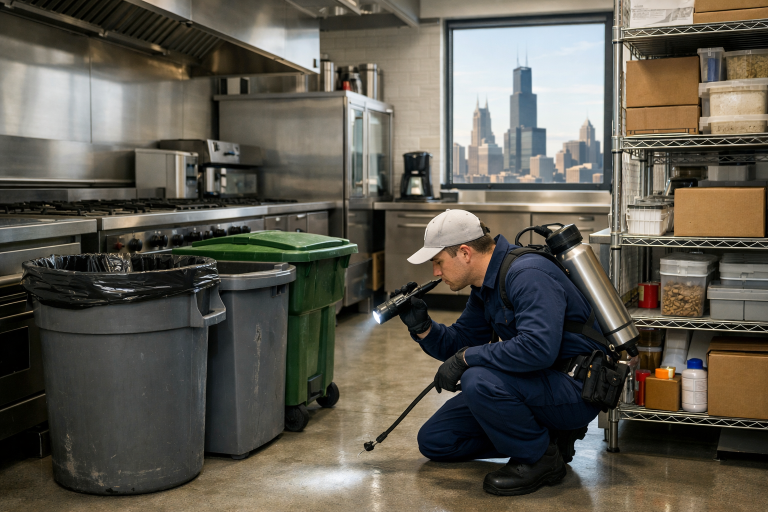
Adopting Integrated Pest Management (IPM) for Chicago Businesses
Integrated Pest Management (IPM) provides a holistic framework for sustainably managing pests, especially in environmentally conscious cities like Chicago. IPM prioritizes prevention, employs monitoring devices, and uses the least invasive control methods first. Chemical solutions are only introduced as a last resort and applied to targeted areas. This approach aligns with the city’s push for green building practices and helps support broader community health initiatives. For more details on IPM principles, consult the EPA’s resources on Integrated Pest Management.
Training Employees on Pest Prevention
Employee awareness and engagement are critical for identifying early signs of infestations. Regular training sessions can empower staff to spot problems like droppings, gnaw marks, or the sudden appearance of insects near waste bins or storage areas. Establishing protocols for immediate reporting and rapid response helps prevent minor pests from becoming major disruptions. Employee education should also include proper food storage, regular cleaning schedules, and safe disposal procedures aligned with local ordinances.
Ensuring Compliance with Chicago Health Regulations
Navigating the intricate web of Chicago’s health and safety codes can be challenging. Regular pest control procedures are not only a matter of best practice but also a legal requirement. Failure to comply with city protocols can result in fines and even forced closure. Consulting local government websites, attending city health department briefings, and maintaining up-to-date records of pest control efforts demonstrate a business’s commitment to legal compliance and public safety. These efforts foster goodwill with both authorities and patrons.
Utilizing Professional Pest Control Services in Chicago
Enlisting the assistance of a qualified pest control service brings access to specialized expertise and tools that most businesses do not possess internally. Chicago-based professionals are familiar with the region’s common pests and can tailor strategies to each business and neighborhood. Scheduled inspections and treatment plans can help prevent seasonal surges associated with the city’s temperature changes and dense population. Professional partners also offer critical support during health department audits and can consult on long-term prevention strategies.
Conclusion
Maintaining a pest-free commercial environment in Chicago demands diligence, adaptability, and a deep understanding of local conditions. Regular inspections, Integrated Pest Management techniques, ongoing staff education, and strict adherence to municipal regulations all play essential roles in keeping businesses safe, healthy, and thriving. Proactive control efforts are investments that protect not only property but also the health and trust of employees and customers across Chicago’s dynamic neighborhoods.


How Nevada Rules Shape a Personal Injury Claim After a Crash

A Yard-Watering Plan: Match Soil, Plants, and Sprinklers Before You Turn On the Timer

A Practical Coastal Home Buying Checklist in Panama City, Florida

Piso Wifi 10.0.0.1 Pause Time – Complete Guide

High-Risk Threats Targeting Banks and How to Mitigate Them
