Tech Tips
Custom iOS App Development vs Templates: Choosing the Right Path for Your App
When building a mobile product, it’s tempting to cut corners with templates. After all, templates promise a ready-made structure, beautiful design, and fast launch. But for businesses that value performance, scalability, and user satisfaction, the smarter choice is custom iOS app development.
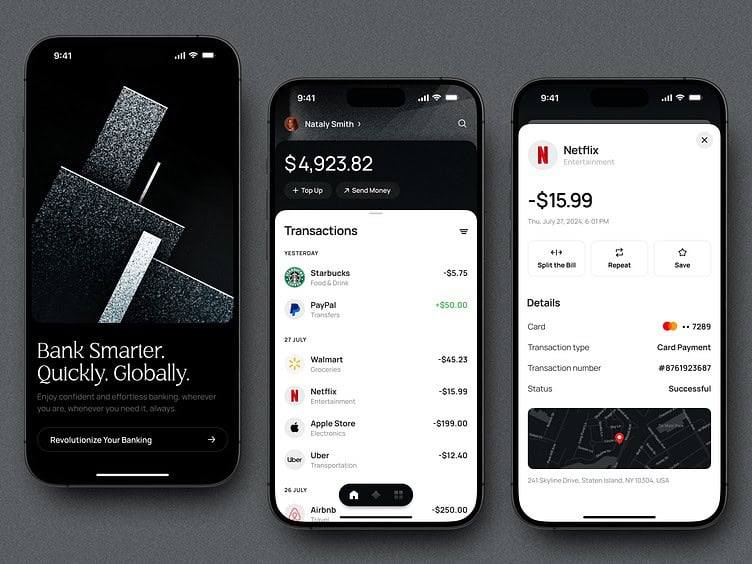
This article compares both approaches — templates and custom development — and explains why partnering with a professional development agency is the safer, more profitable long-term strategy.
What Are iOS Templates?
Templates are pre-built codebases or design bundles that provide a basic app structure out of the box. You’ll often find them labeled as “ready-to-launch” solutions for popular app types like:
- Food delivery
- Fitness tracking
- Social networking
- Marketplaces
While this may sound like a shortcut, templates are built for mass appeal — not your business logic or customers. They come with limitations baked in.
What You Get (and Don’t Get) with Templates
Templates work well when speed and minimal investment are the only goals. But as your app grows, you may run into roadblocks:
- Limited flexibility – Custom features often break the existing codebase
- Non-unique design – Your app will look and feel like dozens of others
- Poor scalability – Hard to scale or refactor when traffic increases
- Opaque architecture – Often lacks documentation and proper code standards
Most importantly, templates can’t grow with your business. Any customization may lead to more problems than benefits.
What Custom iOS App Development Offers
Custom iOS development gives you complete control — from branding to backend logic. Whether you’re creating a healthtech platform, a fintech dashboard, or an educational tool, custom solutions ensure that your app serves your actual users.
With custom development, you benefit from:
- Tailored UX and brand-first design
- Clean, well-documented code built for scale
- Integration with custom APIs and advanced device features
- Optimized performance on all supported iOS versions and devices
- Stronger data privacy, security layers, and regulatory compliance
This approach also allows for agile development: iterative releases, feedback cycles, and faster go-to-market with real user validation.
Example Scenario: From Template to Trouble
A fast-growing startup uses a prebuilt template to launch a marketplace app. Initial reviews are positive, but soon users ask for new features:
- Personalized content
- Location-based pricing
- Multiple admin roles
The development team realizes the template architecture can’t support these updates without rewriting half the app. They end up starting from scratch — wasting months.
Had they partnered with a professional agency from the start, their app would have been designed with flexibility, modularity, and scale in mind.
Why Work with a Specialized iOS App Development Company
A professional agency offers more than code. You get:
- Discovery and strategy workshops
- Competitive UX research
- Native iOS app architecture
- Cross-team collaboration across designers, developers, and QA engineers
Teams like Shakuro help businesses build digital products that are future-proof, user-focused, and App Store–ready. Instead of just building an app, they build the foundation for your business growth.
Key Differences at a Glance
| Feature | Templates | Custom Development |
| Launch Speed | Fast (1–2 weeks) | Medium (6–12 weeks) |
| Cost | Low upfront | Higher, but long-term ROI |
| Design | Generic, reused UI | Unique, tailored UI/UX |
| Flexibility | Minimal | High |
| Maintenance | Risky and inconsistent | Ongoing support and upgrades |
| App Store Compliance | May be rejected | Fully compliant |
FAQ
Is it ever okay to use templates?Yes, for internal tools, MVPs without sensitive data, or personal learning. But not for customer-facing commercial apps.
Can I start with a template and go custom later?Technically, yes. But migration is often more complex than starting custom from the beginning.
Does custom always mean expensive?Not always. A well-scoped MVP with only essential features can be lean and cost-efficient.
Do custom apps perform better?Yes — in speed, battery usage, crash frequency, and user retention.
How do I choose the right development partner?Look for a company with proven experience, client case studies, and a collaborative development approach.
Final Thoughts
Templates can serve a short-term need, but if you’re planning to scale, grow, and compete — custom is the only viable path. Custom iOS development provides a structured, secure, and scalable foundation to turn your app into a real product.
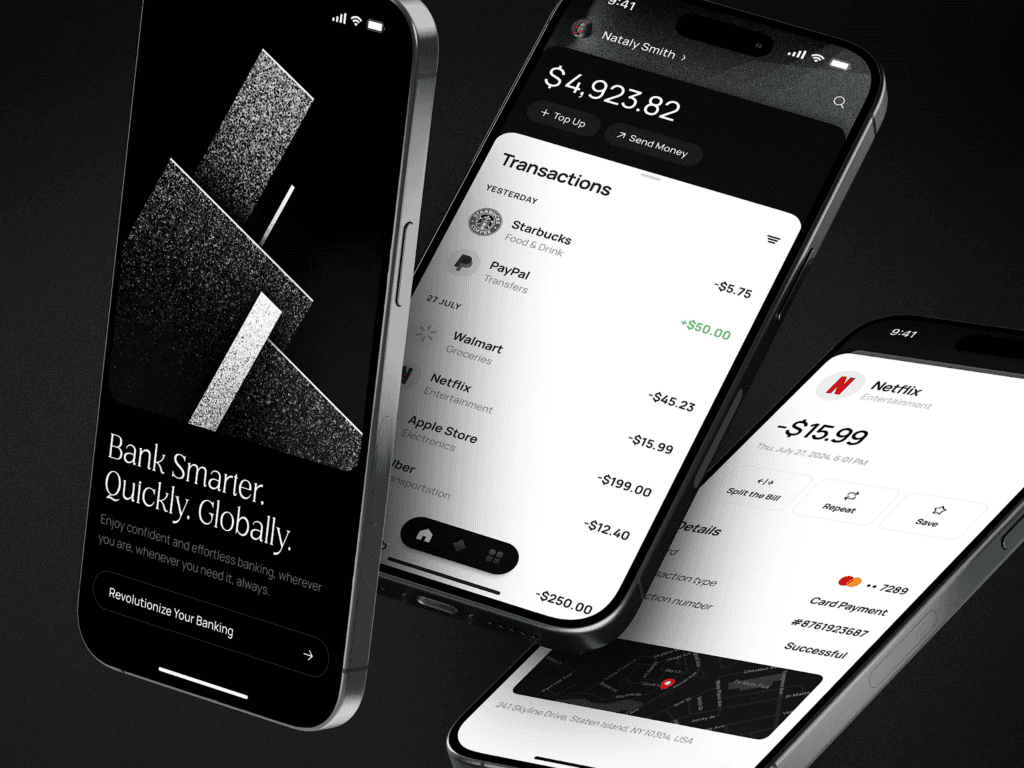
By partnering with a specialized company like Shakuro, you’re not just getting an app — you’re investing in a custom-built solution tailored to your vision, users, and future.


How Nevada Rules Shape a Personal Injury Claim After a Crash

A Yard-Watering Plan: Match Soil, Plants, and Sprinklers Before You Turn On the Timer

A Practical Coastal Home Buying Checklist in Panama City, Florida

Piso Wifi 10.0.0.1 Pause Time – Complete Guide

High-Risk Threats Targeting Banks and How to Mitigate Them
