Career
Empowering the Modern Workplace: How IT Consulting Services Drive Organizational Transformation
Key Takeaways
- IT consulting is central to modernizing and future-proofing workplace environments.
- Tech-driven workplace enhancements lead to measurable gains in productivity and employee satisfaction.
- Successful case studies showcase the return on investment for organizations that leverage IT consulting.
In today’s dynamic business environment, organizations must continuously adapt to technological advancements to remain competitive and efficient. This imperative transformation extends to workplace modernization, where leveraging expert IT consulting services has become a strategic necessity. Organizations turn to specialized consultants, such as the provider of IT solutions Washington, to help implement impactful digital solutions that transform their workplace environments and empower their teams.
Effective IT consulting not only modernizes operations but also bolsters employee satisfaction, boosts productivity, and nurtures a culture of innovation. Companies that strategically invest in advanced IT initiatives routinely report improved workplace morale and better collaboration across all levels of the organization. Real-world examples and research continue to underscore the transformative power of well-executed IT consulting in building the future of work.
The Role of IT Consulting in Workplace Transformation
IT consultants play a critical role in evaluating current infrastructure, introducing new technologies, and aligning business goals with practical IT solutions. These experts assess workflows, identify bottlenecks, and chart strategies that deploy cloud services, cybersecurity protocols, digital workspaces, and more to streamline daily operations. According to a recent analysis from CIO.com, organizations that embrace such expertise report more agile operations and experience less downtime when transitioning to advanced systems.
Beyond infrastructure, IT consulting also encompasses change management and staff training. Experienced IT advisors equip employees with the knowledge and skills needed to fully utilize new platforms, ensuring that technology adoption boosts efficiency rather than causing disruption. In a competitive landscape, such foresight positions companies for sustainable growth and ongoing innovation.
Enhancing Employee Experience Through Technology
Today’s workforce expects a digital environment that supports flexibility, collaboration, and real-time information sharing. IT consultants help organizations implement integrated communication tools, cloud-based collaboration suites, and secure access protocols that enable seamless remote and hybrid work. These initiatives lead to higher employee engagement and satisfaction by breaking down barriers to productivity and fostering teamwork without geographic limitations.
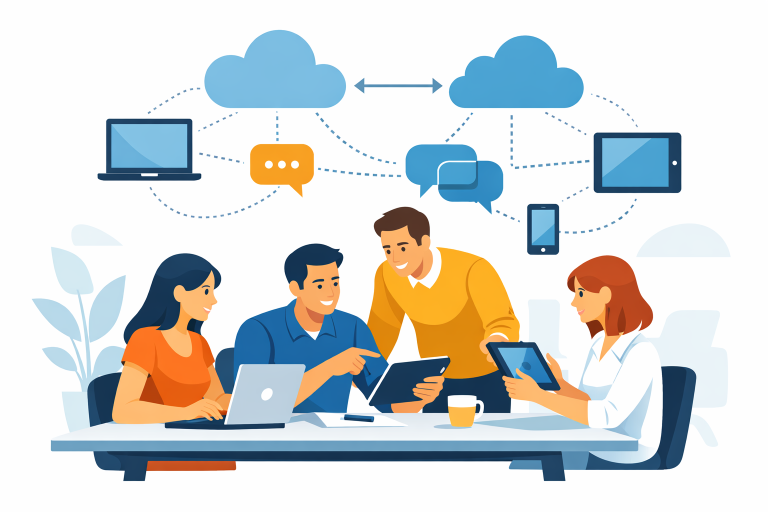
Additionally, consultants recommend and deploy project management platforms that optimize workflow visibility, ensuring tasks are tracked efficiently and teams remain connected regardless of location. These improvements not only boost morale but also directly impact the organization’s bottom line by reducing overhead costs and increasing project completion rates.
Supporting Employee Well-Being
IT consulting also spans into the well-being of employees by introducing mental health applications and resources that foster a balanced work culture. Technologies that support wellness directly tie back to reduced absenteeism and stronger workplace engagement, creating a vibrant and resilient organization.
Case Study: NTT DATA’s Empowered Work Initiative
One notable example of successful workplace transformation through IT consulting is the “Empowered Work” initiative by NTT DATA. This strategy leverages artificial intelligence, automation, and comprehensive analytics to reimagine how employees engage with their work and environment. The initiative promotes flexibility, inclusivity, and enhanced digital experiences for all team members. The results have been a more adaptive organization that places a premium on both efficiency and sustainability.
Implementing IT Consulting Strategies in Your Organization
- Conduct a Comprehensive Assessment: Organizations should begin with a thorough review of current IT assets and workflows to pinpoint opportunities for improvement. This diagnostic phase lays the foundation for targeted, efficient transformation.
- Identify and Prioritize Needs: Pinpoint technological gaps where investment will deliver the greatest return, such as automation, improved security, or cloud migration.
- Partner with Proven Experts: Select reputable IT consulting partners that have a demonstrated history of successful digital transformation projects within your industry.
- Review and Refine: Implement new solutions with built-in processes for ongoing assessment, allowing strategies to evolve alongside business needs and emerging technology trends.
Building a Long-Term Vision for Workplace Modernization
No workplace transformation is truly complete without a commitment to ongoing modernization and a willingness to anticipate future challenges. IT consulting partners can guide organizations not only through initial changes but also help craft a roadmap for continuous improvement. By planning for flexible scaling, integrating automation, and keeping abreast of the latest security frameworks, organizations ensure their digital environments remain robust against rapidly shifting market demands.
Adopting flexible methodologies such as Agile or DevOps, often advocated by IT consultants, also improves responsiveness to change and fosters a culture of iterative progress. These approaches make it easier to pivot quickly in response to innovation, regulatory changes, or emerging business requirements, and further empower teams to participate in shaping organizational outcomes.
It’s also essential to reinforce a learning culture by offering regular training programs, certifications, and knowledge-sharing practices. As technology continues to evolve, nurturing the skills and adaptability of employees becomes just as important as updating hardware and software. Frequent communication regarding IT goals and new initiatives helps align everyone within the company, building trust in technology-led transformations and maximizing adoption rates.
Finally, organizations that pair technology enhancements with sustainable business practices are more likely to attract top talent and ensure long-term viability. Environmental, Social, and Governance (ESG) factors are becoming an increasingly important consideration, and IT consulting can help organizations adopt green IT initiatives, transition to low-carbon cloud environments, and optimize energy usage, creating workplaces that are not only efficient but also responsible corporate citizens.
Conclusion
Embracing IT consulting is a decisive step toward building a resilient, adaptive, and high-performing organization. By modernizing systems and fostering a responsive workplace culture, companies unlock higher levels of employee satisfaction, cost-efficiency, and sustained competitive advantage. The workplaces of tomorrow are being shaped today by those willing to innovate and rely on expert IT guidance.


How Nevada Rules Shape a Personal Injury Claim After a Crash

A Yard-Watering Plan: Match Soil, Plants, and Sprinklers Before You Turn On the Timer

A Practical Coastal Home Buying Checklist in Panama City, Florida

Piso Wifi 10.0.0.1 Pause Time – Complete Guide

High-Risk Threats Targeting Banks and How to Mitigate Them
