Home Improvement
Essential Groundwork and Material Choices for a Long-Lasting Outdoor Deck
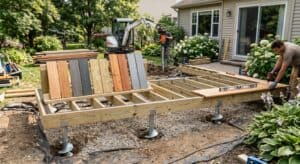
Building an outdoor deck is one of the most rewarding home improvement projects a property owner can undertake. It effectively extends the living space directly into the garden, providing a perfect spot for summer gatherings, family meals, or quiet morning coffees. However, while it is incredibly tempting to focus entirely on the aesthetic aspects, such as the colour of the decking boards or the style of the railing, the true secret to a deck that survives decades of changing seasons lies entirely beneath the surface. Without a deeply stable foundation and carefully chosen structural materials, even the most beautifully designed deck will eventually warp, sink, or become structurally unsafe.
Understanding the Threat of Frost Heave
In regions that experience harsh winters and deep freezes, the primary enemy of any outdoor structure is the soil itself. When temperatures drop significantly, moisture in the ground freezes, but the process involves far more than simple expansion. Liquid water migrates upwards through capillary action to the freezing boundary, forming concentrated layers of ice within the soil profile.
As detailed in civil engineering literature concerning the mechanics of frost heave, the immense vertical pressure generated by one or more growing ice lenses is sufficient to lift a layer of soil by as much as 0.30 metres. This differential upward movement can severely damage building foundations and easily warp timber structures. Traditional shallow concrete footings are highly vulnerable to these powerful forces. When frost heave occurs beneath a shallow footing, the result is often a deck that dramatically tilts or cracks after just a few harsh winter seasons. Consequently, managing soil moisture and ground temperature fluctuations is critical for any homeowner embarking on an outdoor construction project.
Securing Your Deck with Advanced Groundwork
To effectively combat the destructive forces of seasonal freezing and thawing, modern builders are increasingly turning to advanced foundation technologies. Utilising helical screw piles is a highly efficient way to bypass the active frost zone entirely. These advanced structural elements act like massive ground anchors that actively resist upward pressure from ice lenses, providing unparalleled support for residential decks and outbuildings. By driving these supports deep into stable, unfrozen soil, the integrity of the structure is maintained regardless of surface weather conditions. This approach requires no extensive excavation, a benefit that significantly minimises disruption to the existing garden landscape. Furthermore, it provides an immediate load-bearing base, allowing construction to proceed on the very same day without waiting for poured concrete to cure.
Choosing Resilient Surface Materials
Once the foundation is entirely secure, selecting the right above-ground materials is the next critical step in the construction process. The decking boards, joists, and beams will face constant exposure to ultraviolet light, heavy rain, snow accumulation, and daily foot traffic. Choosing the right material depends heavily on your project budget, maintenance preferences, and the specific microclimate of your garden.
Consider the following popular decking materials:
- Pressure-treated timber: A highly cost-effective and traditional choice, this wood is chemically treated during manufacturing to resist rot and insect damage. It does require regular staining or sealing to prevent unsightly splintering over time.
- Composite decking: Manufactured from a precise blend of recycled wood fibres and plastic polymers, composite boards are highly durable and virtually maintenance-free. They will not rot or splinter, though they do require a larger upfront financial investment.
- Cedar and redwood: These premium natural woods contain innate oils that naturally resist decay and common pests. They offer a warm, high-end aesthetic but demand consistent annual maintenance to preserve their rich colour and prevent grey weathering.
- Aluminium decking: Often overlooked by homeowners, powder-coated aluminium is incredibly strong, fully fire-resistant, and completely immune to rot. It is an excellent choice for heavily shaded areas prone to extreme moisture retention.
The Importance of Proper Drainage and Ventilation
Even with the absolute best foundation and premium decking materials, a structure will struggle to survive if moisture is allowed to constantly accumulate underneath it. Proper drainage is essential to direct rainwater safely away from the foundation and the main house structure. Grading the soil beneath the deck slightly away from the home prevents water from pooling persistently around the supporting posts. Laying down a landscape fabric covered with gravel can also prevent aggressive weeds from growing and trapping moisture against the timber frame.
Furthermore, adequate cross-ventilation is necessary to allow the joists to dry out rapidly after a heavy downpour. Leaving sufficient space between the decking boards and ensuring open airflow around the perimeter will significantly extend the lifespan of the entire framework. A well-ventilated under-deck area discourages the growth of mould and fungi, which are notorious for compromising structural integrity.
A beautiful outdoor space is a significant long-term investment in your property value and your overall quality of life. By understanding the invisible physical forces of nature and prioritising solid groundwork from day one, you can easily prevent structural failures before they happen. Pairing a robust foundation with high-quality surface materials ensures that your deck will remain a safe, level, and stunning feature for many years to come.


How Nevada Rules Shape a Personal Injury Claim After a Crash

A Yard-Watering Plan: Match Soil, Plants, and Sprinklers Before You Turn On the Timer

A Practical Coastal Home Buying Checklist in Panama City, Florida

Piso Wifi 10.0.0.1 Pause Time – Complete Guide

High-Risk Threats Targeting Banks and How to Mitigate Them
