Real Estate
How to Choose the Right Big Island, Hawaii Community
Key Takeaways
- The right community should fit daily routines, not only vacation expectations.
- Climate, elevation, driving distance, services, and road conditions can vary widely across the island.
- A complete budget includes insurance, utilities, maintenance, association dues, and travel costs.
- Flooding, lava hazards, wildfire exposure, drainage, and slope conditions deserve early research.
- Visiting more than one area can reveal details that listing photos and maps cannot show.
Choosing where to live on Hawaiʻi Island is less about finding the most dramatic view and more about finding a place that works on an ordinary weekday. For buyers comparing Kona, Hilo, Waimea, Puna, and rural districts in between, a local perspective can help turn broad preferences into practical questions. Kona HI real estate agent Lailan Bento provides Hawaiʻi Island home-search, valuation, and community guidance, with particular insight into Kailua-Kona and West Hawaiʻi. As co-founder and principal broker of Hawaiʻi Development Group, Lailan Bento brings relevant experience with the local regulations, property types, and neighborhood differences that shape a well-informed purchase.
Why Community Choice Matters on Hawaiʻi Island
Hawaiʻi Island contains coastal resort areas, historic towns, ranchland, coffee country, rainier neighborhoods, and rural subdivisions. That variety is part of its appeal, but it also means two homes that look similar online may support very different lifestyles. A beach-oriented household, a remote worker, a family with school needs, and a buyer seeking acreage may each reach a different conclusion about the best location.
Start by considering the life you expect to lead after move-in. A place that feels perfect for a one-week visit may be less convenient when grocery runs, medical appointments, school drop-offs, maintenance projects, and rainy-night drives become part of the routine.
Start With Daily Life, Not the View
Before comparing listings, make a short list of the activities that make up a typical week. This gives each community a purpose beyond scenery.
- Where will household members work, and how much driving feels reasonable?
- How close do schools, child care, medical care, groceries, and repair services need to be?
- Do you want easy access to beaches, golf, hiking, surfing, farming, or town events?
- Is walkability important, or would you prefer privacy and a larger lot?
- Are you comfortable with rural roads, private-road responsibilities, and fewer nearby services?
- Will dependable cell service and internet be essential for work, school, or communication?
Compare the Main Community Types
West Hawaiʻi: Sun, Beaches, and Convenience
Kailua-Kona and nearby West Hawaiʻi communities appeal to buyers seeking access to beaches, dining, shopping, resorts, and airport access. Conditions can change with elevation, however. A home closer to the coast may have a different temperature, breeze pattern, traffic experience, and landscaping requirement than one farther upslope. Compare association rules, water arrangements, road access, and the actual drive to the places you expect to visit often.
South Kona: Rural Character and Agricultural Roots
South Kona often attracts buyers seeking quieter roads, open views, coffee-growing areas, and more separation between homes. Rural character can also mean more personal responsibility. Buyers should understand the water source, utility setup, driveway condition, parcel access, zoning, and status of any farm structures or guest spaces before relying on them in a long-term plan.
Waimea and the Uplands: Cooler Air and Open Space
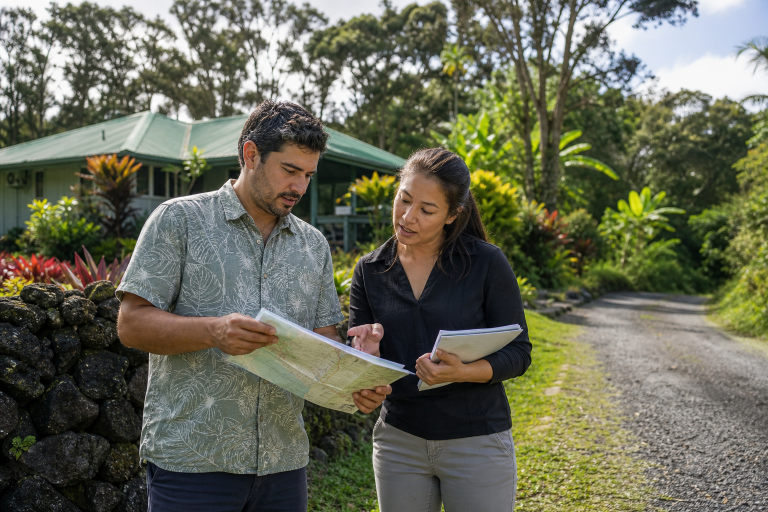
Waimea and nearby upland areas offer a ranchland setting, greener surroundings, and generally cooler conditions than many coastal locations. This may suit buyers who prefer open space and a town-centered routine over daily beach access. Wind, changing temperatures, and varied landscaping needs should be part of the decision-making process, especially for buyers accustomed to a consistently warm coastal climate.
Hilo and East Hawaiʻi: Rain, Gardens, and Town Services
Hilo and surrounding East Hawaiʻi communities offer established neighborhoods, local businesses, gardens, and access to everyday services. Wetter conditions can support lush vegetation, but they also make drainage, roof condition, ventilation, moisture control, and site grading especially important. A thorough inspection should look beyond interior finishes to gutters, downspouts, crawl spaces, retaining areas, and signs of past water intrusion.
Puna and Other Rural Areas: Space and Flexibility
Puna and other rural districts can appeal to buyers who value privacy, larger parcels, and a more self-directed way of living. Lower entry prices in some locations should not be treated as the full financial picture. Private roads, catchment systems, septic systems, backup power, delivery access, and larger maintenance needs can all affect ownership costs and convenience.
Build a Complete Housing Budget
The list price is only the starting point. Build a monthly and annual budget that accounts for the specific property, not just the neighborhood. Include mortgage costs, property taxes, homeowners’ insurance, possible specialty coverage, association dues, electricity, water, propane, landscaping, pest control, roof care, road maintenance, and reserves for repairs.
Mainland and second-home buyers should also include travel, property management, storm preparation, and the cost of responding to an unexpected repair from a distance. A rural home may cost less to buy while requiring more time, tools, planning, and contractor coordination to maintain.
Review Climate and Property Risks Early
Risk research should begin before an offer, not after inspections. Use the official flood hazard information available through FEMA to review mapped flood conditions, then examine the site itself for drainage patterns, streams, low points, and runoff paths. Flood maps are useful, but they do not replace property-specific investigation.
Also review lava-zone information where relevant, wildfire exposure, steep slopes, erosion, retaining walls, wind exposure, and evacuation planning. Ask sellers and inspectors how the property performed during heavy rain, high winds, power outages, and periods of limited access. Confirm that suitable insurance is in place before closing, as coverage and requirements can affect both financing and long-term costs.
Test the Commute and Service Area
- Drive the route at the times you would normally travel.
- Check the trips to the grocery store, schools, work, health care, and the airport.
- Test cell service and internet performance at the actual property.
- Ask how mail, deliveries, trash collection, and emergency response work.
- Drive the route after dark and, when possible, during wet weather.
Ask Better Questions During a Property Tour
- How old are the roof, plumbing, electrical system, and major appliances?
- Has the property experienced termite damage, water intrusion, or drainage problems?
- Are homes, cottages, additions, decks, and other improvements properly permitted?
- Which utilities serve the property, and who maintains each system?
- Are there association restrictions affecting rentals, pets, remodeling, or landscaping?
- Which expenses could realistically increase during the next few years?
Create a Simple Community Scorecard
Use a notes app or spreadsheet to score each area from one to five in these categories:
- Budget: Does the full ownership cost fit comfortably?
- Travel: Is the weekday drive realistic?
- Climate: Does the weather support your preferred routine?
- Services: Are groceries, health care, schools, and repairs close enough?
- Property risk: Are insurance and site conditions manageable?
- Community fit: Does the pace and setting feel right for the long term?
Conclusion
Choosing a community on Hawaiʻi Island requires looking beyond scenery and purchase price. Consider daily routines, climate, services, travel time, property risks, and total ownership costs. By visiting different areas and researching each property carefully, buyers can make a practical decision that supports their lifestyle and long-term goals.


How Nevada Rules Shape a Personal Injury Claim After a Crash

A Yard-Watering Plan: Match Soil, Plants, and Sprinklers Before You Turn On the Timer

A Practical Coastal Home Buying Checklist in Panama City, Florida

Piso Wifi 10.0.0.1 Pause Time – Complete Guide

High-Risk Threats Targeting Banks and How to Mitigate Them
