Plumbing
How to Shut Off Your Home’s Water in an Emergency
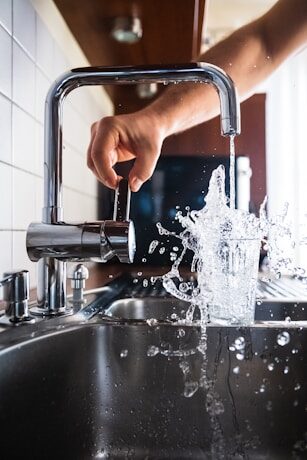
A burst pipe can turn from an inconvenience into a flooded room surprisingly quickly. When water is spraying from a damaged fitting or pouring through a ceiling, knowing how to stop the flow can make a significant difference to the amount of damage caused.
Shutting off the water won’t repair the underlying problem, but it can give you control of the situation while professional help is arranged. If you’re dealing with a serious leak or burst pipe, turning off the appropriate water supply before contacting an emergency plumber Central Coast homeowners can call may help limit further water damage, provided it is safe to do so.
The best time to learn where your shut-off valves are isn’t during an emergency. Spend a few minutes locating them now, and you’ll be much better prepared if something goes wrong later.
First, Work Out How Serious the Leak Is
Not every plumbing problem requires shutting off water to the entire home.
If a single toilet, sink or appliance is leaking, you may be able to isolate that fixture using a nearby shut-off valve. This allows the rest of the property to keep its water supply while the problem is repaired.
A major burst pipe is different.
If water is escaping rapidly, you can’t identify the source or there isn’t an accessible local valve, shutting off the main water supply may be the safest option.
Act quickly, but don’t rush into an unsafe area.
Find Your Main Water Shut-Off
The location and design of the main shut-off vary between properties.
It may be near the water meter, where the supply enters the building, in a utility area or at another accessible point. Some homes also have additional isolation valves.
If you don’t know where yours is, locate it before an emergency occurs. Ask a plumber or your property manager if necessary.
Once you’ve identified it, make sure everyone responsible for the home knows where it is.
You don’t want the only person who knows how to stop the water to be away when a pipe bursts.
Know How Your Valve Works
Different valves operate differently.
A lever-style ball valve will typically turn a quarter turn between open and closed positions. Other valves may use a wheel or handle that needs to be turned several times.
Don’t force a valve that is seized, heavily corroded or difficult to move.
Using excessive force can damage an ageing valve and make the situation worse. If you’re uncertain about how your particular shut-off works, have a plumber show you during a routine visit.
It’s a five-minute lesson that can be extremely useful later.
What to Do After the Water Is Off
Once the supply has been shut off, check whether the flow from the damaged area is slowing or stopping.
Remember that water already inside the plumbing system may continue to drain for a while.
Depending on the problem, opening a suitable tap may help relieve remaining pressure in the lines. However, avoid experimenting with plumbing systems you don’t understand, particularly around hot water equipment.
Your next priorities should be protecting people and limiting further damage.
Move furniture, electronics and valuables away from the affected area if you can do so safely. Towels, buckets or containers may help with smaller amounts of water.
Then arrange professional repairs.
Be Extra Careful Around Electricity
Water and electricity create a serious hazard.
If water is flowing near electrical outlets, appliances, switchboards, light fittings or exposed wiring, don’t wade through the area or touch electrical equipment.
Avoid attempting to unplug devices while standing in water.
If electrical isolation is necessary, it should only be done when you can reach the appropriate controls safely. If you’re unsure, stay away from the affected area and seek emergency assistance from the appropriate professionals.
Property damage matters, but personal safety comes first.
Don’t Forget Individual Shut-Off Valves
Knowing where local isolation valves are can prevent a small problem from becoming a whole-house inconvenience.
Common locations may include valves supplying:
- Toilets
- Sinks
- Dishwashers
- Washing machines
- Outdoor fixtures
- Certain appliances
Their exact location and availability depend on how the property has been plumbed.
If a toilet supply line starts leaking, for example, isolating that fixture may be enough to stop the water without shutting down every tap in the house.
When moving into a new property, identifying these valves is worth adding to your basic home-maintenance checklist.
Prepare Before Something Goes Wrong
A little preparation makes plumbing emergencies much easier to manage.
Take a photograph of the main shut-off location and save it somewhere household members can easily access. You could also attach a clear label nearby.
Keep your plumber’s contact details stored in your phone rather than searching for them while water is spreading across the floor.
It’s also worth occasionally checking that the area around the main valve remains accessible. Storage boxes, garden equipment and other household clutter have a habit of accumulating around things nobody regularly uses.
A shut-off valve isn’t particularly helpful if it takes ten minutes to reach it.
Know What Shutting Off the Water Doesn’t Fix
Stopping the supply is damage control, not a repair.
Don’t turn the water back on simply because the visible leak has stopped. A damaged pipe or fitting can immediately begin leaking again once the system is repressurised.
Have the underlying fault properly assessed and repaired first.
A plumbing emergency is stressful, but having a simple plan helps: identify the source if possible, isolate the affected fixture or main supply, stay clear of electrical hazards and arrange professional assistance.
Most importantly, find your main shut-off before you ever need it. When water is pouring into your home, knowing exactly where to go is far more useful than trying to figure it out under pressure.


How Nevada Rules Shape a Personal Injury Claim After a Crash

A Yard-Watering Plan: Match Soil, Plants, and Sprinklers Before You Turn On the Timer

A Practical Coastal Home Buying Checklist in Panama City, Florida

Piso Wifi 10.0.0.1 Pause Time – Complete Guide

High-Risk Threats Targeting Banks and How to Mitigate Them
