Business
Organizational Agility: Building Resilient Companies for Today’s Workforce
Key Takeaways
- Continuous transformation is crucial for building a resilient, adaptable organization.
- Diversity and inclusivity are essential drivers of innovation and flexibility.
- Technology integration and advanced data analytics enable smarter, quicker decision-making.
- The best agile organizations also preserve certain core elements of stability for sustainable growth.
Surviving and thriving in today’s hyper-competitive business environment requires more than just a solid product or a loyal customer base. Organizations that want to sustain growth and adapt to fast-changing markets must prioritize organizational agility. By embracing continuous transformation and leveraging strategic support from specialized organizational design services, companies can build resilient structures that foster adaptability and innovation.
Agility is no longer just a desirable trait. It has become a necessity in times marked by technological disruption, evolving workforce expectations, and shifting global dynamics. The ability to adjust quickly to new circumstances, technologies, and market trends gives companies a significant competitive advantage and enhances employee engagement across all levels.
From rethinking operating models to focusing on diversity and technological integration, organizations today must adopt multipronged strategies to build resilience. Increasing agility is not about constant, chaotic change; it is about creating a foundation that supports thoughtful adaptation and balanced progress.
Companies must develop agility as a core competency by embedding continuous learning, cross-functional collaboration, and leadership flexibility into their cultures. This structural evolution ensures organizations remain responsive and relevant, regardless of changing conditions. For organizations exploring how to redesign their structures or revamp internal processes for greater resilience and agility, investing in organizational design services can deliver expert guidance and proven frameworks for long-term success.
Embracing Continuous Transformation
Adopting a “Dynamic Organization” model positions companies to respond swiftly to change and seize new opportunities. Businesses that commit to ongoing transformation create a culture of learning and mobility embedded in day-to-day operations. According to recent research, organizations embracing ongoing evolution are up to 31 times more likely to keep employees engaged and loyal. These companies regularly reassess their internal structures, strategies, and talent needs to stay ahead of emerging trends and disruptions. The ability to continually pivot and efficiently reinvent processes is what sets leading organizations apart.
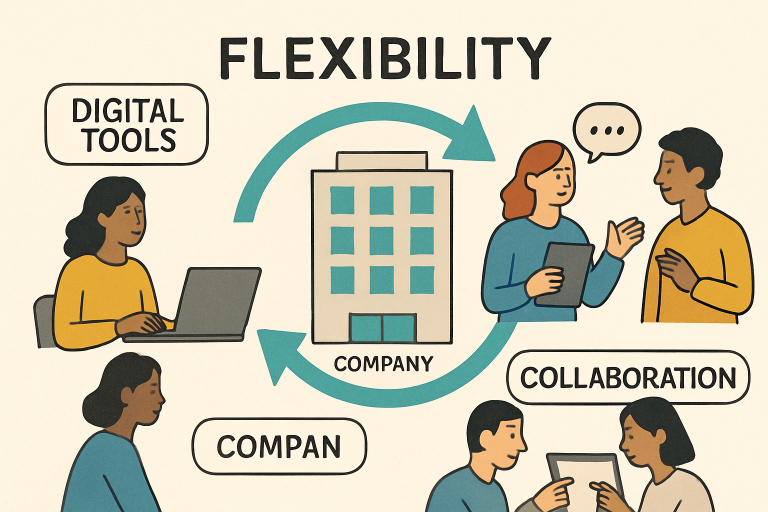
Investing in Inclusivity as a Cornerstone of Agility
Diversity fuels creativity and supports a more versatile team ready to confront new challenges. By empowering inclusive leaders to value different perspectives, organizations can be more innovative and better equipped to meet diverse stakeholder demands. A 2023 study showed that diverse teams are not only more adept at creative problem-solving but also significantly more adaptable, a key trait in organizations facing constant change. Diversity in age, gender, race, and educational background amplifies an organization’s ability to address unforeseen challenges successfully. Transparent recruitment practices, equal access to advancement opportunities, and active listening programs all contribute to a truly inclusive culture that adapts and thrives.
Integrating Technology and Data
Technology plays an increasingly vital role in boosting organizational agility. Companies that invest in digital infrastructure, including cloud solutions, artificial intelligence, and automation, lay the groundwork for rapid adaptation. By streamlining operations and eliminating manual bottlenecks, technology enables quicker, data-driven decisions and easy scaling of new initiatives or products. Furthermore, digital transformation not only optimizes business processes but also establishes new customer engagement channels, positioning companies for future growth. Reliable data analytics and regular technology assessments support ongoing performance improvements and innovation. Harvard Business Review offers additional insights on building cultures of transformation using data and digital tools.
Balancing Agility and Stability
As market disruptions become more frequent, organizations face the challenge of maintaining stability while staying adaptable. True agility does not mean sacrificing all order or tradition; it means retaining specific anchors, such as core values or mission, that help create a sense of security for employees even during significant transitions. Workers today are expected to learn quickly, adapt to new tools, and meet evolving customer expectations rapidly. Providing continual learning opportunities, mentorship, and transparent communication promotes organizational trust and strengthens resilience. McKinsey & Company further outlines how preserving organizational health supports stability in times of profound change.
Fostering Collaboration and Partnerships
Building meaningful connections both within and outside the organization is fundamental to boosting resilience. High-performing organizations encourage teamwork across functional silos and value insights from partners, suppliers, and other key stakeholders. This collaborative environment fosters innovative thinking, relies less on hierarchical decision-making, and opens opportunities for shared learning. Empowering teams to collaborate meaningfully reduces the friction of change and encourages rapid solution development. Companies can further strengthen agility by forming strategic alliances with external experts, vendors, and industry groups, as these partnerships provide fresh perspectives and open the door for co-development or cross-sector innovation.
Developing Adaptable Leadership
The resilience and adaptability of an organization ultimately hinge on its leaders. Adaptable leaders not only react effectively to crises but also proactively nurture a culture of curiosity and continuous improvement. These leaders are open to feedback, unafraid to ask questions, and transparent about challenges and opportunities alike. Companies should prioritize identifying and developing these leadership traits through targeted training, revised performance metrics, and recognition programs. Adaptable leaders coach teams through change, communicate a compelling vision for the future, and make space for collective problem-solving. Their skills and mindsets become contagious, ensuring agility and resilience permeate every layer of the organization.
Conclusion
Achieving true organizational agility requires more than isolated initiatives; it demands a comprehensive, holistic approach. Companies must cultivate a culture that values continuous transformation, empowering employees to innovate and adapt to change. Embracing diversity strengthens problem-solving and creativity, while strategic investments in technology enhance efficiency and responsiveness. Maintaining operational stability ensures sustainable progress, and fostering collaboration encourages knowledge sharing and team cohesion. Equally important is prioritizing adaptable leadership that can guide the organization through uncertainty. By integrating these strategies, businesses can confidently navigate unpredictable markets, respond effectively to emerging challenges, and secure long-term growth for both the organization and its workforce.


How Nevada Rules Shape a Personal Injury Claim After a Crash

A Yard-Watering Plan: Match Soil, Plants, and Sprinklers Before You Turn On the Timer

A Practical Coastal Home Buying Checklist in Panama City, Florida

Piso Wifi 10.0.0.1 Pause Time – Complete Guide

High-Risk Threats Targeting Banks and How to Mitigate Them
