Tech Tips
Smart Labs: Integrating Robotics and AI in CLD
Science fiction shows us labs full of smart machines. Robots talk to each other. Computers think for themselves. It always seemed like a distant future. But that future is here now. It is happening in labs around the world. Cell line development is changing fast. Robotics and artificial intelligence are joining forces. They are making discoveries faster than ever. They are also making them smarter. Let us look inside these new smart labs.
The Dream of Hands-Free Science
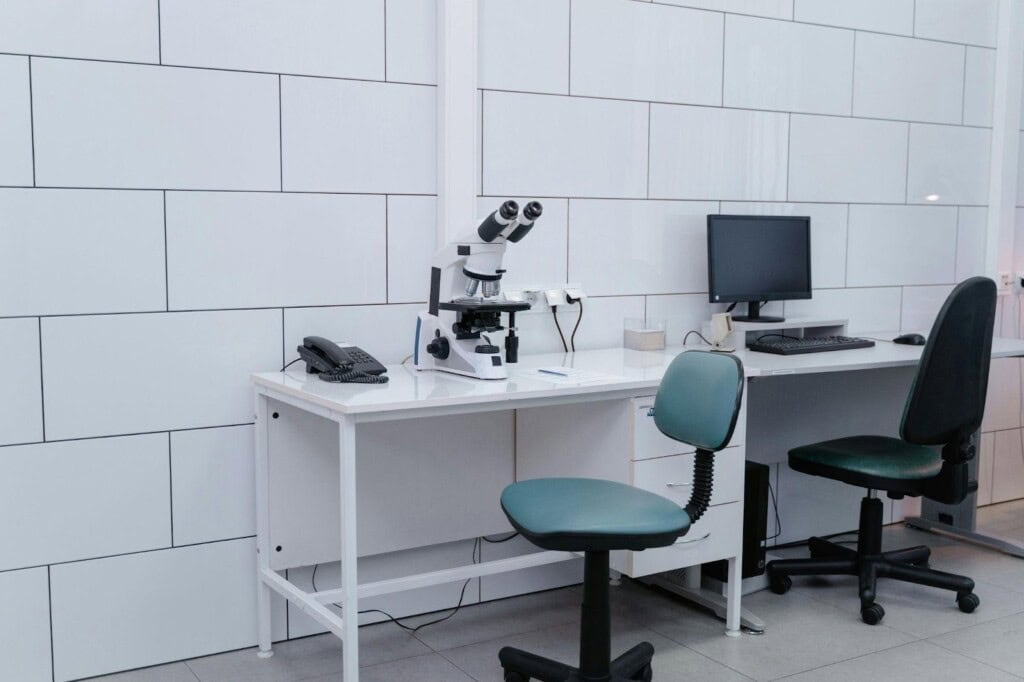
Imagine a lab where no human touches anything. Cells move from machine to machine. Data flows from instrument to computer. Decisions happen without human input. This is the goal of many companies today. They call it end-to-end CLD automation. It covers every step from start to finish. Seeding cells. Feeding them. Analyzing them. Picking the best ones. All done by machines. All tracked by computers. It sounds like magic. But it takes careful planning. Every piece must fit together perfectly. Every robot must talk to every other robot. It is a puzzle. When solved, it changes everything.
Robots That Learn from Doing
Old robots were dumb. They did the same thing over and over. If something changed, they broke. New robots are different. They learn from experience. They watch how cells grow. They notice patterns. They adjust their movements. This learning comes from AI. The robot tries something. It sees the result. It remembers for next time. Over days and weeks, it gets better. It feeds cells at the perfect moment. It picks clones with higher success rates. This learning never stops. The robot improves while scientists sleep. That is power no human can match.
AI That Sees What Eyes Miss
Human eyes are good. But they miss things. We get tired. We get distracted. We have blind spots. AI does not have these problems. It looks at thousands of images. It finds tiny differences. It spots a sick cell before anyone else. It predicts which clone will fail. This happens in seconds. Scientists used to spend weeks on this. Now AI does it instantly. It highlights the important stuff. It ignores the noise. Humans then make the final call. The team works together. AI sees. Humans decide. It is a perfect match.
Data That Talks to Each Other
Labs generate mountains of information. Every experiment creates numbers. Every machine logs its work. In old labs, this data sat in silos. It never connected. The incubator did not talk to the analyzer. The analyzer did not talk to the database. Smart labs change this. All data flows together. It lives in one place. AI swims through this ocean. It finds links humans miss. It sees that warm temperatures hurt growth. It notices that certain media cause problems. These insights come from connected data. Without integration, they stay hidden forever.
The Orchestra Conductor
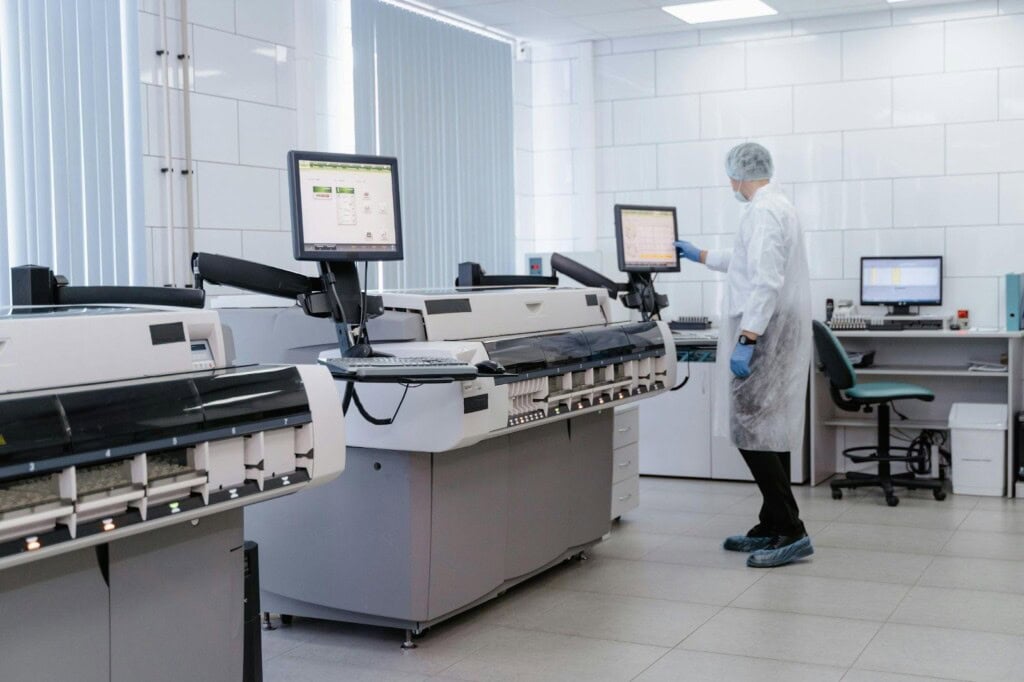
A smart lab needs a leader. Not a person. A piece of software. This software runs everything. It tells the robot when to move. It tells the incubator when to open. It tells the analyzer when to measure. It watches everything at once. If something goes wrong, it adapts. A machine breaks. The software reroutes samples. A step takes too long. The software adjusts the schedule. This conductor never sleeps. It keeps the lab humming. Scientists just set the goals. The conductor figures out how.
Humans in the Loop
With all this automation, where do people fit? Some worry robots will replace them. The truth is different. Robots handle boring work. Humans handle interesting work. Scientists design experiments. They ask big questions. They interpret complex results. They talk to regulators. They guide the whole process. The robots are tools. Powerful tools, but tools nonetheless. The best labs balance both. Machines do the repetitive tasks. People do the creative ones. This partnership produces better science. It also makes scientists happier.
Speed That Changes Everything
Time is the enemy in drug development. Every day counts. Patients wait for treatments. Companies burn money. Smart labs attack this problem. They compress years into months. Experiments that took weeks now take days. Clones get screened overnight. Data gets analyzed instantly. This speed is not just nice. It is necessary. It gets drugs to patients faster. It saves lives. It also saves money. Faster development means cheaper drugs. More people can afford them. The impact ripples through society.
The Learning Lab
Smart labs do something amazing. They get smarter over time. Every experiment teaches them something. Every success and failure adds knowledge. The AI remembers. It applies lessons to the next project. A lab that made one cell line now makes better ones. It avoids past mistakes. It repeats past wins. This learning compounds. Year after year, the lab improves. Human memory fades. People leave. Labs lose knowledge. AI does not forget. It holds everything. It passes wisdom to new team members. This continuity is priceless.
The smart lab is here to stay. It combines robot muscles with AI brains. It connects every piece of equipment. It learns from every experiment. It frees humans to do what they do best. This is not science fiction. It is happening now. The labs building tomorrow’s medicines look different today. They hum with robotic activity. They glow with computer screens. They represent the best of human and machine working together. The future of cell line development is smart. And it is already here.


How Nevada Rules Shape a Personal Injury Claim After a Crash

A Yard-Watering Plan: Match Soil, Plants, and Sprinklers Before You Turn On the Timer

A Practical Coastal Home Buying Checklist in Panama City, Florida

Piso Wifi 10.0.0.1 Pause Time – Complete Guide

High-Risk Threats Targeting Banks and How to Mitigate Them
