Law
Staying Safe on Two Wheels: Essential Bicycle Accident Prevention Tips
Key Takeaways
- Wearing a properly fitted helmet can significantly reduce the risk of head injury.
- Visibility is essential; use bright clothing and appropriate lighting.
- Consistent bicycle maintenance prevents mechanical failures.
- Always obey traffic rules and practice predictable riding behaviors.
- Avoid hazards and stay focused while riding.
Bicycling continues to rise in popularity across cities and suburbs, offering tremendous benefits for individuals and communities alike. It supports a healthy, active lifestyle and creates a positive impact on the environment by reducing pollution and traffic congestion. Despite these advantages, cyclists must remain vigilant about their safety while sharing the road with vehicles. If you or someone you know has experienced a bike accident, Ward Law’s Orlando bicycle accident lawyers can provide knowledgeable legal guidance and support for your situation.
While many bicycle accidents are preventable, riders need to take proactive measures to protect themselves. Practicing bicycle safety, using the right gear, and staying alert can dramatically decrease the risk of injury. Understanding key safety protocols not only empowers cyclists but also strengthens the safety culture within local communities.
Wear a Properly Fitted Helmet
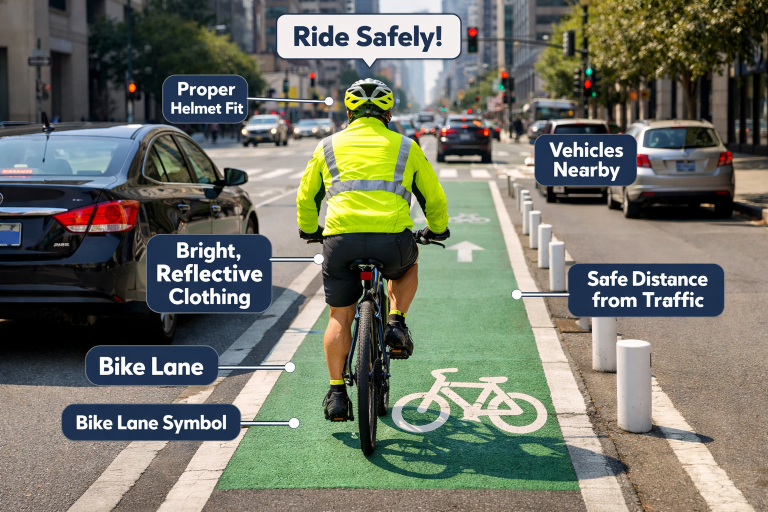
Helmets are the single most essential protective gear for cyclists. They can be the difference between a minor tumble and a life-altering head injury. It is critical that the helmet fits snugly, stays at a level position on the head, and has adjusted straps that do not slip or twist. According to the National Highway Traffic Safety Administration (NHTSA), wearing a helmet is a fundamental aspect of bicycle safety. Take a moment before every ride to double-check your helmet adjustment for optimal protection.
Enhance Your Visibility
One of the primary factors in bicycle collisions with vehicles is poor visibility. Cyclists often move within a motorist’s blind spot or become difficult to spot in low-light conditions. Bright or reflective clothing, lights on both the front and rear of your bicycle, and reflective tape on your accessories can make a vital difference. Lights are especially critical during early morning, dusk, or nighttime rides. As outlined by the NHTSA, enhanced visibility is indispensable for reducing the risk of road accidents.
Perform Regular Bicycle Maintenance
A poorly maintained bicycle increases cyclists’ risk. Before every ride, conduct a basic safety check: inspect the tires for air and damage, test the brakes for responsiveness, and ensure the chain moves smoothly without sticking or jerking. Simple maintenance, such as lubricating the chain or tightening bolts, has a huge impact on overall safety. For persistent issues or annual tune-ups, consider taking your bike to a professional mechanic. Preventative care will not only extend the life of your bicycle but may also prevent a dangerous failure on the road.
Follow Traffic Laws and Ride Predictably
Cyclists are subject to the same traffic rules as drivers, making predictability crucial. Always ride in the direction of traffic, obey all signals and signs, and use hand signals to communicate intentions such as turning or stopping. These behaviors allow drivers to anticipate your movements and give you the space and right-of-way you need. According to the League of American Bicyclists, adhering to road rules significantly reduces the likelihood of traffic-related bicycle accidents.
Stay Alert and Anticipate Hazards
Vigilance is fundamental to bicycle safety, particularly in unpredictable environments. Cyclists must always watch for hazards such as potholes, wet leaves, or debris on the road. Additionally, it is important to keep an eye out for vehicle doors opening into the bicycle lane or sudden pedestrian movements. Distractions, like using a mobile device or listening to music with both earbuds, should be avoided at all times. By being present and aware, you will be able to react to potential dangers before they become unavoidable threats.
Use Designated Bike Lanes and Paths
Whenever accessible, use bike lanes or multipurpose paths specifically designed for cyclists. These routes provide natural separation from motor vehicle traffic and are often marked and maintained to meet bicycle safety standards. If a bike lane exists, remain within its boundaries unless it is blocked or unsafe to do so. For those commuting in busy urban environments, scouting your route in advance to identify designated bike corridors can enhance safety and peace of mind.
Educate Yourself and Others
The safest cyclists are those who stay informed about both traffic laws and evolving best practices for bicycle safety. Seek out community classes, local advocacy groups, or online resources that offer cyclist safety education. Sharing this information with friends, family, and new riders fosters a broader culture of safety that benefits all road users. Encourage others to equip themselves with this vital knowledge, fostering community consensus on safe riding habits.
All cyclists, beginners and experts alike, play an important role in creating safer streets. By consistently applying these tips and remaining proactive about safety, you can protect yourself, educate others, and contribute to a safer environment for everyone on two wheels.
Be Mindful in Adverse Weather Conditions
Weather can significantly impact cycling safety. Rain, fog, snow, and gusty winds can all reduce visibility and make roads more slippery and unpredictable. When planning a ride, check the forecast and adjust your route or schedule as necessary. Consider slowing down and maintaining extra distance from vehicles and other cyclists during inclement weather, and remember that braking distances increase on wet surfaces. Fenders and waterproof gear can offer added comfort and protection, while extra caution will help you avoid unnecessary risks in challenging conditions.
Encourage a Supportive Cycling Community
Building a community where cyclists look out for each other not only improves safety but also creates a more enjoyable riding experience. Get involved in local bike groups, charity rides, or city safety campaigns. Many communities organize group rides, offering opportunities for new riders to learn from experienced cyclists and for all to collectively promote positive cycling habits. By taking part in these events or even organizing your own, you can influence policy, deepen your knowledge, and extend support to others, ultimately making the roads safer for everyone.
Practicing proactive bicycle accident prevention isn’t just about self-preservation; it also means considering the well-being of others who share your route. Staying informed and connected will continue to move cycling culture forward, benefitting present and future riders alike.


How Nevada Rules Shape a Personal Injury Claim After a Crash

A Yard-Watering Plan: Match Soil, Plants, and Sprinklers Before You Turn On the Timer

A Practical Coastal Home Buying Checklist in Panama City, Florida

Piso Wifi 10.0.0.1 Pause Time – Complete Guide

High-Risk Threats Targeting Banks and How to Mitigate Them
