Tips
The Craftsmanship Behind Hardwood Flooring: Why Skill Makes All the Difference
Key Takeaways
- Skilled installation ensures durability and visual appeal.
- Precision prevents gaps, uneven surfaces, and future issues.
- Quality materials improve longevity and performance.
- Customization adds unique style and character.
- Attention to detail supports long-term reliability.
- Well-crafted hardwood floors increase home value.
Hardwood flooring remains a sought-after feature in homes for its enduring beauty and resilience. Yet, the value of a hardwood floor extends far beyond the wood itself. The expertise and artistry of installation professionals are crucial in transforming this raw material into a breathtaking surface. Homeowners exploring flooring options notice the difference, particularly when comparing solid hardwood to alternatives like engineered hardwood, where skillful installation is equally important for a flawless result.
The difference between an ordinary hardwood floor and one that truly stands out often comes down to the precision and care with which it was installed. Skilled craftsmen treat each plank with respect, ensuring that the final floor is not only functional but also a reflection of fine workmanship. The artistry shown in hardwood floor installation brings warmth, character, and value to any interior space.
Precision in Installation
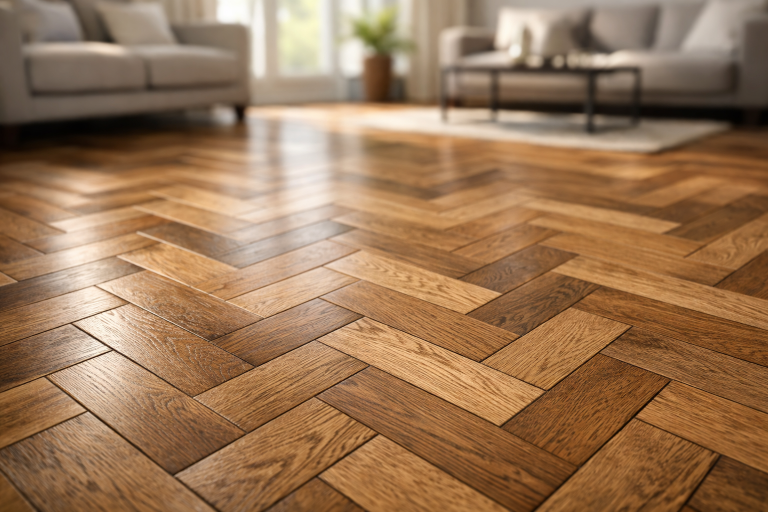
Achieving a timeless hardwood floor starts with a meticulous installation process. Skilled installers measure, cut, and fit each board with precision. Their careful work ensures tight seams and a smooth, flat surface that remains stable over time. This is especially important for intricate designs, such as herringbone or parquet patterns, which require an even greater level of expertise to align each element perfectly.
Poor installation, on the other hand, can result in visible gaps, uneven edges, or even movement in the planks, leading to premature repair or replacement expenses. For optimal performance, the subfloor must also be prepared to a high standard, minimizing the risk of issues like squeaking or warping over time. Proper acclimation of the wood before installation is another important detail that skilled professionals never overlook.
Quality of Materials
The selection of wood for flooring is another critical aspect of exceptional craftsmanship. Experienced artisans help clients choose the right species and grade for each project, taking into account factors such as room use, moisture levels, and aesthetic preferences. For example, oak offers robustness and versatility, while walnut provides luxurious, deep tones. Working with suppliers certified by the National Wood Flooring Association ensures that materials meet strict standards for durability and sustainability.
Customization and Personalization
True craftsmanship opens the door to customization and personalization. A skilled professional can create bespoke designs that perfectly match a homeowner’s vision, whether that means blending different wood species, crafting custom borders, or seamlessly joining new floors to existing ones. These special touches often turn a functional surface into a unique design feature that reflects personal style and complements the home’s architecture. For instance, blending old and new flooring in restoration projects requires precision to make the transition imperceptible to the eye.
Attention to Detail
Every stage of the installation process requires attention to detail. This begins with thorough subfloor preparation and extends to applying the final finish. Overlooking even a small detail, such as failing to properly level the subfloor or using the wrong finish, can lead to long-term performance issues like warping, squeaks, or uneven wear patterns. Seasoned craftsmen have systems in place to consistently deliver perfect results, ensuring that each board fits snugly and the overall surface is smooth and beautifully finished. This approach not only affects the floor’s immediate appearance but also its longevity.
Preserving Traditional Techniques
Modern flooring often benefits from innovations in materials and installation tools, but the value of traditional techniques cannot be overstated. Many hardwood floor experts continue to employ time-honored installation methods passed down through generations. These include hand-scraping for a rustic effect or intricate detail work for historic restorations. Maintaining these skills keeps the craft alive and ensures that new projects can stand the test of time as well as the most stunning floors of the past.
Long-Term Value
Investing in high-quality workmanship pays dividends for decades. Properly installed hardwood floors can last for generations when maintained, making them a wise investment for homeowners looking to add lasting value to their properties. Unlike many modern surface coverings, hardwood can be sanded and refinished multiple times to adapt to changing styles, repair minor damage, and extend the life of the installation. Well-maintained hardwood contributes significantly to a home’s overall value and remains a preferred feature for prospective buyers.
Conclusion
The true beauty and durability of hardwood flooring rely on the skill and passion of professionals dedicated to their craft. From meticulous installation and selection of premium materials to the preservation of traditional techniques, every step requires expertise and attention to detail. For homeowners, choosing skilled craftsmen is the best way to ensure that your hardwood floors become a lasting testament to the timeless appeal and unmatched value of natural wood.


How Nevada Rules Shape a Personal Injury Claim After a Crash

A Yard-Watering Plan: Match Soil, Plants, and Sprinklers Before You Turn On the Timer

A Practical Coastal Home Buying Checklist in Panama City, Florida

Piso Wifi 10.0.0.1 Pause Time – Complete Guide

High-Risk Threats Targeting Banks and How to Mitigate Them
