Tech Tips
The Future of Car Buying: Digital Trends to Watch
Key Takeaways
- Artificial Intelligence (AI) is revolutionizing vehicle recommendations and financing options.
- Digital tools are enhancing customer satisfaction by streamlining the purchasing process.
- Virtual and augmented reality technologies offer immersive experiences for car exploration.
In recent years, technology has transformed the automotive industry at an unprecedented pace, particularly in the way consumers purchase vehicles. Advancements such as artificial intelligence and immersive digital experiences have streamlined the buying journey, making it more convenient, interactive, and user-friendly. Modern car shoppers prioritize speed, customization, and seamless access to information, prompting dealerships and manufacturers to adopt smarter, data-driven solutions. With interactive platforms, virtual showrooms, and AI-powered recommendations, buyers can explore options, compare features, and learn more about vehicles from the comfort of their homes. As expectations continue to evolve, the industry is embracing innovative tools that place greater control and confidence directly in consumers’ hands.
Advances in Artificial Intelligence are central to this evolution. AI helps buyers find cars that truly fit their individual lifestyles while also streamlining some of the more stressful aspects of the process, such as financing. In addition, online platforms now blend the best of digital and in-person experiences, bringing unprecedented satisfaction to modern car shoppers. Buyers are no longer limited by geography or the need to spend countless hours in dealerships; instead, digital transformation lets them research, compare, and even complete purchases online or through a hybrid model that meets all their needs.
Another significant development is the rise of immersive technologies, such as virtual and augmented reality. These tools enhance car exploration by letting shoppers virtually see and customize vehicles from home, reducing the need for physical showroom visits. Dealerships are also investing in predictive analytics to manage inventory better and anticipate demand, further smoothing the customer journey.
As car buyers increasingly expect greater transparency, options, and convenience, the integration of advanced technology is now essential for both dealerships and customers. New-car satisfaction rates have soared as a result, thanks in part to robust digital solutions that combine personal service with the efficiency of modern tech. According to a recent Cox Automotive Car Buyer Journey Study, these advances are shaping expectations and driving industry-wide improvements.
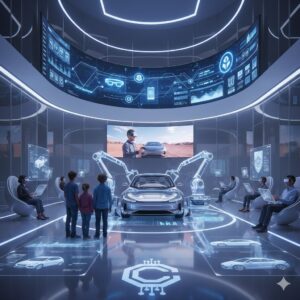
The Rise of AI in Personalized Vehicle Recommendations
Artificial Intelligence analyzes browsing history, preferences, and even income levels to match consumers with vehicles explicitly suited to them. This goes beyond basic filters; modern algorithms can assess which features are most important, whether that’s safety, technology, space, or fuel efficiency, and recommend vehicles accordingly. Families, for instance, might prioritize safety and space, while professionals may seek models with superior tech and efficiency. By narrowing down choices automatically, AI reduces both time spent searching and decision fatigue, allowing buyers to enter showrooms, physically or virtually, with confidence and clarity.
AI-Powered Virtual Assistants and Chatbots
The craving for immediate support has led to the adoption of AI chatbots and virtual assistants across dealership websites and apps. These assistants provide answers 24/7, addressing everything from trim comparisons to test-drive bookings and detailed financing queries, all instantly. By automating these interactions, dealers can deliver personalized attention at any hour, creating a more welcoming and responsive environment. For those who prefer human contact, these tools still enable efficient escalation to expert staff, so the consumer never feels abandoned.
Streamlining Financing with AI
Financing is a cornerstone of the car-buying process, and traditionally, it has been one of the most confusing and time-consuming steps. However, AI tools now assess an applicant’s financial situation almost instantly, pulling relevant credit and payment data to match them with suitable loan products. Many online platforms even pre-approve buyers for loans in real time, allowing prospective buyers to shop and negotiate with a clear understanding of their budget and options. This demystifies financing and accelerates closing, establishing greater confidence and trust in dealership services.
Predictive Analytics for Inventory Management
Behind the scenes, dealerships are leveraging powerful predictive analytics to identify which models will be most in demand. By monitoring market trends, local patterns, and broader economic data, these systems help dealers stock the proper inventory at the right time, significantly reducing customer wait times and minimizing the risk of disappointment or lost sales. Inventory management is not just about efficiency; it is also about anticipating customer needs.
Immersive Experiences with Virtual and Augmented Reality
Virtual reality (VR) and augmented reality (AR) tools are taking vehicle exploration to new heights. Through VR platforms, car shoppers can conduct detailed walk-arounds, customize preferences, and view vehicles in 3D. Some AR solutions even let buyers view how a car would look in their own driveway or test how various color and trim options would appear. These digital experiences are especially valuable for long-distance buyers or those seeking to avoid crowded showrooms, offering a safe yet comprehensive way to shop. For more insights on how AR and VR are changing retail, see this review from Alabama Gazette.
Digital Tools Enhancing Customer Satisfaction
The fusion of digital tools throughout the car-buying process is yielding record-high consumer satisfaction. The latest Cox Automotive Car Buyer Journey Study found that 75 percent of new-vehicle buyers were satisfied with their experience, mainly due to digital innovations that improved transparency, speed, and convenience. Integrated platforms allow consumers to browse, compare, and even finalize purchases at home or in the dealership, creating flexibility and autonomy that today’s buyers crave.
The Future of Car Buying
Technology will only continue to propel the car-buying experience forward. As AI becomes more sophisticated, expect even deeper personalization, with digital platforms catering directly to nuanced lifestyles and long-term ownership goals. Dealerships that embrace these technologies are better positioned to attract, satisfy, and retain customers in a highly competitive automotive marketplace.
All told, the transformation brought about by digital innovation is redefining how people shop for cars. From AI-powered suggestions and rapid-financing platforms to VR test drives and predictive dealership inventory, modern technology ensures a smoother, more informed, and more enjoyable process for everyone involved.


How Nevada Rules Shape a Personal Injury Claim After a Crash

A Yard-Watering Plan: Match Soil, Plants, and Sprinklers Before You Turn On the Timer

A Practical Coastal Home Buying Checklist in Panama City, Florida

Piso Wifi 10.0.0.1 Pause Time – Complete Guide

High-Risk Threats Targeting Banks and How to Mitigate Them
