Education
The Skills Children Develop Long Before They Learn to Read
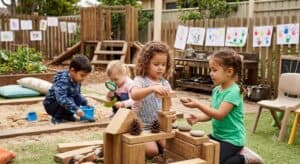
When parents think about preparing their children for school, reading and writing often come to mind first. While these are important milestones, many of the skills that support successful learning begin developing years earlier through everyday play, conversation, and exploration.
High-quality early learning environments, including child care Menai, encourage children to build these essential foundations long before they recognise letters or sound out words. By developing confidence, communication, curiosity, and social skills, young children gain the tools they need to thrive when formal learning begins.
Understanding these early milestones helps parents appreciate that school readiness is about much more than knowing the alphabet.
Communication Begins Before Reading
Language development starts from the earliest interactions.
Listening to stories, singing songs, asking questions, and having conversations all help children expand their vocabulary and learn how communication works.
These experiences strengthen their ability to:
- Follow instructions
- Express ideas
- Build vocabulary
- Listen carefully
- Understand different meanings
Strong communication skills make learning easier across every subject, not just reading.
Social Skills Support Learning
Children learn best when they feel comfortable interacting with others.
Everyday experiences teach valuable skills such as:
- Sharing with others
- Taking turns
- Solving simple disagreements
- Working together
- Showing empathy
These abilities help children participate confidently in group activities and classroom routines once they begin school.
Curiosity Encourages Problem Solving
Young children are naturally curious.
Whether they’re stacking blocks, exploring nature, or asking endless questions, they’re learning how to observe, experiment, and solve problems.
Rather than providing every answer immediately, encouraging children to think, predict, and explore helps build confidence in their own abilities.
This mindset supports learning throughout life.
Fine Motor Skills Prepare Little Hands
Before children learn to write, they need to develop the muscles and coordination required to control pencils and other tools.
Activities that strengthen fine motor skills include:
- Drawing
- Colouring
- Cutting with safety scissors
- Threading beads
- Building with small blocks
- Playing with modelling clay
These playful experiences prepare children for future writing tasks while also improving hand-eye coordination.
Emotional Confidence Matters
Learning isn’t just about knowledge. It’s also about confidence.
Children who develop resilience are more willing to:
- Try new activities
- Ask questions
- Make mistakes
- Keep practising
- Adapt to new situations
Supportive adults help children understand that making mistakes is a normal and valuable part of learning.
Independence Builds Responsibility
Simple everyday routines help children become more independent.
Packing away toys, washing hands, putting on shoes, and making small choices all encourage responsibility and self-confidence.
These practical skills also make the transition into structured learning environments much smoother.
Play Is One of the Best Teachers
Children learn an enormous amount through play.
Imaginative games, outdoor exploration, music, puzzles, and creative activities all support multiple areas of development at once. While these experiences may appear simple, they’re helping children build important cognitive, social, physical, and emotional skills every day.
Play allows children to learn naturally while enjoying the process.
Strong Foundations Lead to Future Success
Long before children begin reading books independently, they’re developing the communication, confidence, curiosity, and social skills that make future learning possible. These early experiences create the foundation for literacy, problem solving, and lifelong learning.
Parents don’t need to rush formal academics to support their child’s development. Providing opportunities to play, explore, communicate, and build relationships gives children many of the essential skills they’ll rely on throughout their education. By nurturing these foundations early, families help children approach school with confidence, curiosity, and a genuine love of learning.


How Nevada Rules Shape a Personal Injury Claim After a Crash

A Yard-Watering Plan: Match Soil, Plants, and Sprinklers Before You Turn On the Timer

A Practical Coastal Home Buying Checklist in Panama City, Florida

Piso Wifi 10.0.0.1 Pause Time – Complete Guide

High-Risk Threats Targeting Banks and How to Mitigate Them
