Home Improvement
Why Electrical Equipment Can Fail Without Any Obvious Warning
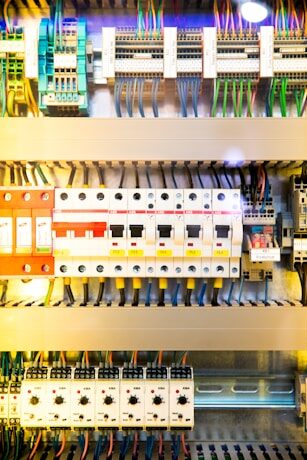
Electrical equipment doesn’t always give you the courtesy of looking broken before something goes wrong. A transformer, switchgear assembly or high-voltage cable can appear to be operating normally while deterioration is developing somewhere inside its insulation system.
That’s what makes preventative inspection and condition monitoring so important. Instead of waiting for visible damage or complete failure, specialised techniques such as Partial Discharge Testing can be used in appropriate electrical systems to identify certain types of insulation activity that may indicate developing defects.
For businesses that depend on critical electrical infrastructure, discovering problems earlier can provide valuable time to investigate, plan maintenance and reduce the risk of an unexpected interruption. The challenge is understanding why equipment that looks perfectly normal from the outside can still be deteriorating internally.
Electrical Insulation Doesn’t Last Forever
Insulation plays an essential role in keeping electrical current where it’s supposed to be.
Over time, however, insulation can deteriorate. Heat, electrical stress, moisture, contamination, mechanical damage, manufacturing defects and environmental conditions can all affect its performance.
Some problems develop gradually over years. Others may begin with a relatively small defect that becomes progressively worse.
Because much of this deterioration can occur inside equipment, there may be nothing obvious for someone walking past to see.
Small Defects Can Become Bigger Problems
Imagine a tiny void, crack or damaged area within or around an insulating material.
Under certain electrical conditions, localised electrical discharges can occur without immediately creating a complete breakdown between conductors. These events are known as partial discharges.
One small event doesn’t necessarily mean equipment is about to fail. The concern is that persistent discharge activity can contribute to further deterioration of insulation.
As damage progresses, the insulation may become less capable of performing its intended function.
This is why monitoring trends and correctly interpreting results matters. The goal isn’t simply to detect something unusual; it’s to understand what that information means for the equipment.
Visual Inspections Have Limits
Routine visual inspections are valuable.
They may identify overheating marks, damaged components, contamination, corrosion, loose connections or other obvious problems.
But you can only inspect what you can see.
A cable may look perfectly normal externally while having an internal insulation defect. A switchgear enclosure can appear clean and well maintained while a problem develops somewhere inside the system.
Visual inspection should therefore be viewed as one part of a broader maintenance strategy rather than proof that everything is healthy.
Equipment Can Still Be Working While It Deteriorates
One of the misleading things about electrical faults is that equipment may continue doing its job while its condition worsens.
From an operational perspective, nothing seems wrong. The lights are on. Machinery is running. Production continues.
That can create a false sense of security.
“Still working” and “in good condition” aren’t necessarily the same thing.
Condition monitoring is intended to provide information about equipment health before performance deteriorates to the point where failure becomes obvious.
The Environment Can Accelerate Deterioration
Where electrical equipment operates can have a major influence on its condition.
Potential contributors include:
- High temperatures
- Moisture and humidity
- Dust and contamination
- Chemical exposure
- Vibration
- Heavy or changing electrical loads
- Poor ventilation
- Ageing components
Equipment in a clean, controlled environment may experience very different stresses from equipment operating in a dusty industrial facility or exposed outdoor location.
Maintenance programs should account for those real operating conditions rather than relying only on a generic inspection schedule.
Unexpected Failure Can Be Expensive
When critical electrical equipment fails, replacing the damaged component may be only one part of the cost.
An unexpected shutdown can interrupt production, delay orders and leave employees unable to perform normal work. Depending on the facility, specialist technicians and replacement equipment may also be needed urgently.
There may also be damage to connected equipment or additional safety concerns.
Planned maintenance is usually much easier to manage.
If developing deterioration is identified early enough, a business may be able to investigate further, schedule repairs during a planned shutdown and organise replacement components beforehand.
That doesn’t mean every detected issue requires immediate replacement. It means maintenance decisions can be based on better information.
Testing Needs Proper Interpretation
Condition monitoring isn’t simply a matter of collecting a number and deciding whether it’s good or bad.
Electrical systems are complex, and test results need to be interpreted by appropriately trained professionals who understand the equipment, testing method and operating environment.
Background electrical noise, equipment design and testing conditions can all influence measurements.
Where possible, comparing results over time can also be valuable. A developing trend may provide different information from a single isolated measurement.
Build Maintenance Around Risk
Not every electrical asset requires exactly the same level of attention.
A small non-critical component that’s easy to replace presents a different business risk from a transformer supplying an entire production facility.
A sensible maintenance strategy considers factors such as equipment age, operating environment, failure consequences, replacement lead times and the availability of backup systems.
The more critical the equipment, the more valuable it can be to understand its condition rather than simply waiting for it to stop working.
Electrical failures may sometimes appear sudden, but the underlying deterioration can have been developing quietly for a long time.
That’s why the absence of smoke, noise or warning lights shouldn’t be treated as proof that critical equipment is healthy. Regular inspection, appropriate testing and informed maintenance decisions can reveal problems that aren’t visible from the outside.
The best time to discover a developing electrical problem is usually while the equipment is still doing its job — not after it has unexpectedly stopped.


How Nevada Rules Shape a Personal Injury Claim After a Crash

A Yard-Watering Plan: Match Soil, Plants, and Sprinklers Before You Turn On the Timer

A Practical Coastal Home Buying Checklist in Panama City, Florida

Piso Wifi 10.0.0.1 Pause Time – Complete Guide

High-Risk Threats Targeting Banks and How to Mitigate Them
