Dentistry
A Comprehensive Guide to Full Mouth Restoration Solutions
Key Takeaways
- Complete mouth restoration integrates restorative and cosmetic dentistry treatments tailored to address extensive dental concerns.
- Popular solutions include implants, bridges, crowns, veneers, and orthodontic treatment.
- Cutting-edge procedures and digital advancements streamline treatment plans and outcomes.
- Choosing the right provider and understanding costs and care needs are crucial for success.
Table of Contents
- Understanding Full Mouth Restoration
- Common Procedures Involved
- Advancements in Dental Technology
- Benefits of Full Mouth Restoration
- Considerations Before Undergoing Treatment
- Cost and Financing Options
- Choosing the Right Dental Professional
- Conclusion
Restoring a healthy, functional, and beautiful smile often requires addressing multiple dental problems at once. This is where full mouth restoration becomes a transformative solution, rebuilding and enhancing every aspect of your oral health. More than just cosmetic dentistry, complete mouth restoration focuses on both the aesthetics of your smile and the functional stability of your teeth and jaws, giving you renewed confidence and long-term oral wellbeing.
For those suffering from severe dental decay, widespread tooth loss, or oral trauma, this approach offers renewed comfort, improved function, and a natural-looking smile. Taking advantage of rapid advancements in dental technology, today’s patients can benefit from life-changing results that are more accessible and predictable than ever before. Understanding your options and the path to complete mouth restoration will help you make the most informed choices about your dental health.
Understanding Full Mouth Restoration
Complete mouth restoration, also called full mouth reconstruction, involves a customized plan of dental procedures aimed at correcting dental function, appearance, and health throughout the entire mouth. Individuals who may need this comprehensive care often face issues like significant tooth loss, advanced gum disease, failed previous dental work, or injuries that have dramatically affected their oral health.
The process is holistic, seeking to resolve old dental problems, improve chewing, stabilize the bite, relieve chronic discomfort, and enhance the overall look and health of the mouth. Each restoration plan is unique and based entirely on individual dental conditions and health goals. The expertise of a restorative dentist is crucial, as is a thorough initial assessment with X-rays, scans, and tailored treatment planning.
Common Procedures Involved
Complete mouth restoration often includes a combination of the following core treatments. The specifics depend on your oral health and needs:
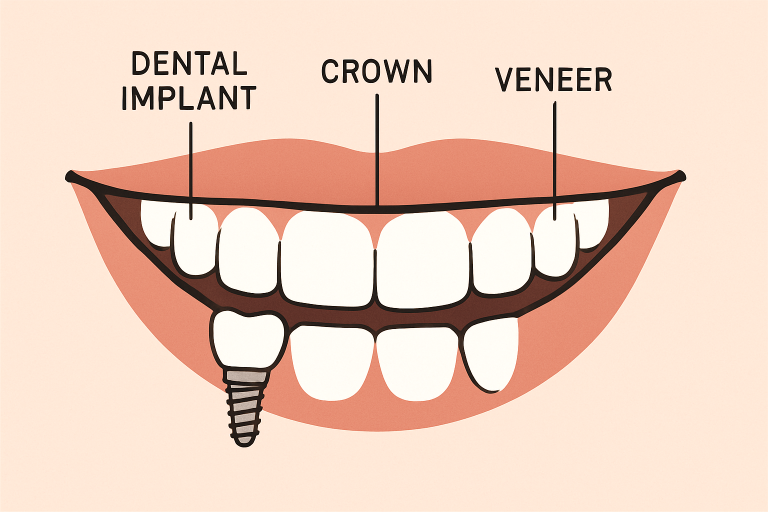
- Dental Implants: These titanium posts are inserted into the jawbone, acting as artificial tooth roots. They can support crowns, bridges, and even full-arch dentures, making them the gold standard for stable, permanent tooth replacement.
- Crowns and Bridges: Crowns cover damaged or weakened teeth while bridges fill in the gaps left by missing teeth. These restorations improve both function and appearance.
- Veneers: Thin porcelain or ceramic coverings bonded to the front of teeth, veneers mask discoloration, chips, and shape irregularities to create beautiful, natural smiles.
- Orthodontics: Misaligned teeth or bite problems are corrected using braces or clear aligners, setting the stage for successful restorative work and a balanced bite.
- Periodontal Therapy: With healthy gums as a foundation, patients undergo gum disease treatment and, if needed, surgical interventions to prepare for restorative procedures.
For more details on these procedures and patient experiences, the American Dental Association offers extensive guides and resources that can be explored further at MouthHealthy.org.
Advancements in Dental Technology
The past decade has seen remarkable advances in technology-driven solutions for full-mouth restoration. CAD/CAM systems now allow for fast, precise, and highly aesthetic dental restorations that fit perfectly within the patient’s bite. With digital impressions and 3D printing, dentists can fabricate custom crowns, bridges, dental implant abutments, and even surgical guides, dramatically reducing wait times and improving the accuracy of final results.
Advanced imaging, like cone beam CT scans, helps dentists create highly detailed treatment plans by visualizing bone structure, nerve pathways, and soft tissues in three dimensions. Minimally invasive surgery and laser dentistry also reduce recovery times and discomfort, making the entire process more patient-friendly.
Benefits of Full Mouth Restoration
- Improved Oral Function: Patients often notice a dramatic improvement in chewing and speaking, which can boost nutrition and quality of life.
- Enhanced Aesthetics: Customized restorations deliver a healthy, attractive, and confident smile that can be life-changing.
- Restored Health: Repairing infections, impacted teeth, decay, or gum disease improves oral health and reduces the risk of future complications.
- Confidence Boost: A rejuvenated smile enhances self-esteem both personally and professionally.
These advantages are well-documented in peer-reviewed dental literature and highlighted in trusted sources such as Healthline, where patients share stories of life-changing results.
Considerations Before Undergoing Treatment
Committing to a full-mouth restoration requires careful evaluation of several factors to ensure the approach is right for you. First, your overall health is a key factor, as certain medical conditions may affect eligibility for dental surgery or extended treatment. A conversation with your primary care provider may be necessary, especially if you have heart conditions, diabetes, or immune system issues.
The process for complete mouth restoration is rarely quick. Treatments may span several months or longer, depending on healing times, the number of procedures involved, and the patient’s schedule. Understanding the anticipated timeline helps with planning and setting realistic expectations. Cost is an essential factor as well; comprehensive treatment often represents a significant financial investment that might not be fully covered by insurance.
Cost and Financing Options
The total cost of a full-mouth restoration can vary widely based on factors such as geographic location, complexity, the number of implants, the type of materials, and the expertise of the dental team. In the United States, patients typically invest anywhere between $26,000 and $100,000 for a full implant reconstruction. Many dental practices offer flexible financing plans or payment schedules, and third-party health care financing companies can also help ease the upfront financial burden.
Dental insurance may cover some aspects of treatment, particularly those deemed medically necessary rather than cosmetic. Be sure to ask for detailed written estimates and verify your benefits before starting treatment.
Choosing the Right Dental Professional
The experience and qualifications of your dental team directly impact your outcome. Seek out restorative dentists or prosthodontists with specialized postgraduate training, positive patient reviews, and a robust portfolio of before-and-after cases. Do not hesitate to seek second opinions or ask for referrals. A well-matched partnership with your dentist ensures your priorities and expectations will be understood and respected every step of the way.
Conclusion
Full-mouth restoration offers life-changing opportunities for those struggling with widespread dental challenges. By taking advantage of the latest advances in dental technology, working with qualified, compassionate professionals, and familiarizing yourself with each stage of the process, you can embark on a journey toward renewed comfort, confidence, and lifelong oral well-being.


How Nevada Rules Shape a Personal Injury Claim After a Crash

A Yard-Watering Plan: Match Soil, Plants, and Sprinklers Before You Turn On the Timer

A Practical Coastal Home Buying Checklist in Panama City, Florida

Piso Wifi 10.0.0.1 Pause Time – Complete Guide

High-Risk Threats Targeting Banks and How to Mitigate Them
