Tech News
f9k-zop3.2.03.5: Why This Identifier Appears in Searches
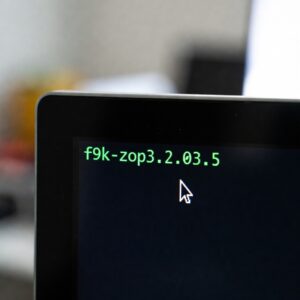
When people come across a structured string like f9k-zop3.2.03.5, it often sparks curiosity. The combination of letters, numbers, hyphens, and decimal points suggests a system-generated identifier rather than a natural word. Because it does not immediately explain itself, many users turn to search engines to understand what they are seeing.
This article explores how identifiers such as f9k-zop3.2.03.5 are interpreted online, why they appear in searches, and what broader patterns they represent in digital systems. The focus is not on assigning a fixed meaning, but on understanding how such strings function and why people look them up.
Why Structured Strings Attract Attention
Unlike common keywords, structured identifiers feel technical and deliberate. Their format signals that they likely belong to a system, process, or versioning structure.
People may search for f9k-zop3.2.03.5 after encountering it in places such as:
- Software interfaces or system messages
- Configuration files or logs
- Update notes or internal references
- Shared screenshots or copied text
Because these identifiers rarely include human-readable explanations, searching becomes the quickest way to seek context.
How Version-Like Identifiers Are Commonly Used
Strings that include decimal segments often resemble version numbers or structured codes. They are widely used to track changes, organize components, or label internal states.
An identifier like f9k-zop3.2.03.5 may follow a logic where each segment represents something different, such as:
- A category or module label
- A release or iteration number
- A minor revision or patch level
- An internal reference within a larger system
Without documentation, however, these meanings remain dependent on the system in which the identifier appears.
Context Determines Interpretation
On its own, f9k-zop3.2.03.5 does not carry a universal definition. Interpretation depends entirely on where it is encountered.
The same identifier may feel different depending on whether it appears:
- Inside a technical dashboard
- In a file name or folder structure
- Within an error message or notification
- As part of copied text shared online
This context-driven meaning is why search results for such strings often vary and remain exploratory.
Why People Search Identifiers Instead of Ignoring Them
Identifiers stand out because they look intentional. Users tend to assume that if something has a precise structure, it likely serves a purpose.
Search behavior around strings like f9k-zop3.2.03.5 often reflects questions such as:
- Is this part of a system or application?
- Why did this string appear here?
- Does this identifier indicate a version or update?
- Have others encountered the same reference?
These searches are driven by understanding, not assumption.
Why Clear Explanations Are Often Hard to Find
Many structured identifiers are never meant to be publicly documented. They may exist solely for internal tracking or technical reference.
As a result:
- There may be no official public explanation
- Search results rely on user discussion or indirect references
- Information may vary based on context
This is why articles often focus on how identifiers function rather than what they definitively mean.
How to Think About Unknown Identifiers Safely
A cautious approach helps users interpret unfamiliar strings without drawing unsupported conclusions.
Helpful ways to approach identifiers like f9k-zop3.2.03.5 include:
- Observing where the identifier appears
- Noting whether it repeats across systems or files
- Recognizing that many identifiers are context-specific
- Treating the string as a reference, not a statement
This approach aligns with responsible information interpretation in technical environments.
The Bigger Picture of Identifier-Based Searches
Searches for structured strings highlight how people interact with modern systems. As software and platforms grow more complex, users encounter more internal labels and version-like references.
Identifiers such as f9k-zop3.2.03.5 become touchpoints for curiosity, prompting users to seek clarity rather than make assumptions.
Final Takeaway
f9k-zop3.2.03.5 is best understood as a structured identifier whose meaning depends on context. Searches for this string reflect a broader pattern of users trying to understand technical references they encounter in digital spaces.
By focusing on interpretation and context instead of fixed definitions, users can navigate unfamiliar identifiers with greater clarity and confidence.


How Nevada Rules Shape a Personal Injury Claim After a Crash

A Yard-Watering Plan: Match Soil, Plants, and Sprinklers Before You Turn On the Timer

A Practical Coastal Home Buying Checklist in Panama City, Florida

Piso Wifi 10.0.0.1 Pause Time – Complete Guide

High-Risk Threats Targeting Banks and How to Mitigate Them
