Health
How Active Play Improves Energy, Coordination and Confidence
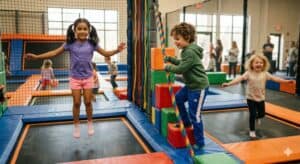
Children have a natural drive to move. Running, jumping, climbing, and exploring are not just ways to burn off energy. These activities play a vital role in helping young people develop physically, mentally, and socially. Active play encourages movement, builds confidence, and helps children discover what their bodies are capable of doing.
Today, many families look for environments where children can move freely and safely. Places designed for energetic play, such as a trampoline park Melbourne facility, provide spaces where kids can jump, balance, and explore movement in ways that strengthen both their bodies and their confidence.
While the fun and excitement are obvious, the benefits of active play go far beyond entertainment. Movement-based activities support several important areas of development that help children grow into healthier and more confident individuals.
Building Stronger Physical Coordination
One of the biggest benefits of active play is improved coordination. When children move their bodies in different ways, they learn how muscles, balance, and timing work together.
Activities like jumping, climbing, or balancing require children to control their body movements. Over time, this helps develop both fine and gross motor skills.
For example, children learn to:
- Balance their body while landing from a jump
- Adjust their posture while climbing
- Coordinate their arms and legs during movement
- Maintain stability while changing direction
These skills help children feel more comfortable with physical activities as they grow older.
Better coordination also makes everyday tasks easier, from participating in sports to simply running and playing with friends.
Increasing Energy and Overall Fitness
Active play helps children maintain healthy energy levels and physical fitness. When kids engage in movement regularly, their bodies build strength, endurance, and flexibility.
Physical activity supports:
- Stronger muscles and bones
- Improved cardiovascular health
- Better balance and agility
- Increased stamina for longer play sessions
Children who move frequently often feel more energised throughout the day. This physical activity also helps regulate sleep patterns, making it easier for children to rest and recover.
In contrast, long periods of sitting or screen time can leave children feeling sluggish and less motivated to be active.
Boosting Confidence Through Movement
Physical play gives children opportunities to challenge themselves in safe and enjoyable ways. Each time a child learns a new skill or improves their coordination, their confidence grows.
Simple achievements can make a big difference. For example:
- Successfully landing a jump
- Climbing to the top of a structure
- Balancing for longer periods
- Trying a new movement without fear
These moments help children realise they are capable of learning and improving.
Confidence developed through physical activity often extends into other areas of life, including school, social interactions, and creative activities.
Encouraging Social Interaction
Active play often happens in shared environments where children interact with others. Whether playing games, taking turns, or exploring together, these interactions help children develop social skills.
Through group activities, children learn how to:
- Cooperate with others
- Respect personal space
- Encourage teammates
- Solve small disagreements
These experiences help children build friendships and learn how to navigate social situations with confidence.
Physical play environments also create opportunities for children of different ages and abilities to interact, which encourages empathy and cooperation.
Supporting Brain Development
Movement is not only important for physical development. It also supports brain function.
When children engage in physical play, their brains process information about balance, timing, and spatial awareness. This strengthens the connection between the brain and body.
Active play can improve:
- Reaction time
- Focus and attention
- Problem-solving abilities
- Memory and learning capacity
Research consistently shows that physical activity supports cognitive development. Children who stay active often find it easier to concentrate during learning activities.
Reducing Stress and Supporting Emotional Wellbeing
Children experience stress just like adults do. School expectations, social situations, and daily routines can sometimes feel overwhelming.
Active play provides a natural outlet for releasing tension. Physical movement encourages the body to release endorphins, which are chemicals that promote positive feelings.
After active play, children often feel:
- Happier
- More relaxed
- Less anxious
- More focused
Movement can also help children reset their mood and regain emotional balance after a difficult day.
Creating Lifelong Healthy Habits
Perhaps one of the most valuable benefits of active play is the long-term impact it can have on lifestyle habits.
Children who grow up enjoying movement are more likely to remain physically active as adults. Positive early experiences with play and physical activity help shape attitudes toward exercise and wellbeing later in life.
Encouraging regular movement during childhood can lead to healthier routines that support overall wellbeing for years to come.
Active play may look like simple fun on the surface, but its impact runs much deeper. From building coordination and confidence to supporting social and emotional development, movement plays an essential role in helping children grow.
By giving children opportunities to jump, run, climb, and explore, families and communities help nurture both healthy bodies and confident minds.


How Nevada Rules Shape a Personal Injury Claim After a Crash

A Yard-Watering Plan: Match Soil, Plants, and Sprinklers Before You Turn On the Timer

A Practical Coastal Home Buying Checklist in Panama City, Florida

Piso Wifi 10.0.0.1 Pause Time – Complete Guide

High-Risk Threats Targeting Banks and How to Mitigate Them
