Business
How to Build a Resilient Hiring Pipeline
Key Takeaways
- Proactive talent pipeline development minimizes hiring delays and improves candidate quality.
- Diversifying sourcing channels and nurturing passive candidates strengthen the pipeline.
- Structured assessment and onboarding processes enhance new hire success.
Table of Contents
- Understanding the Hiring Pipeline
- Strategies for Building a Resilient Pipeline
- Leveraging Technology in Recruitment
- Measuring and Optimizing Your Pipeline
- Conclusion
In today’s dynamic job market, organizations need to proactively design a hiring pipeline that withstands industry changes and talent shortages. Building a resilient process ensures not just a consistent flow of qualified candidates, but also flexibility when business needs inevitably shift. Developing a robust recruiting funnel is the cornerstone of minimizing talent gaps and reducing the unpredictability that can slow growth or innovation.
A modern hiring pipeline extends beyond simply filling open positions. It requires cultivating a network of engaged prospects, using multiple sourcing channels, and applying thoughtful assessment methods. By keeping your pipeline replenished and agile, your organization can fill roles more rapidly with candidates who are not only qualified but aligned with your culture and business objectives.
Understanding the Hiring Pipeline
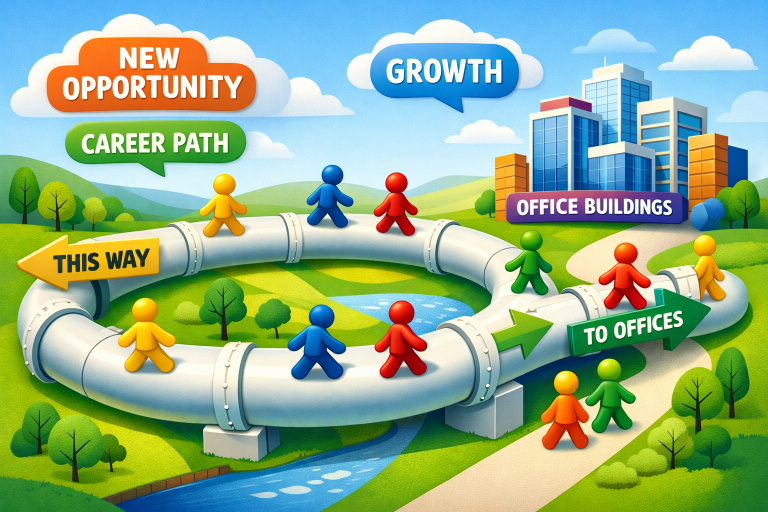
A hiring pipeline is a structured sequence that organizations use to identify, engage, and ultimately retain talent. This approach covers every stage, from sourcing and initial outreach to screening, interviewing, and onboarding. The core aim of a resilient pipeline is to avoid frantic last-minute hiring and prevent business disruptions caused by talent shortages. It achieves this by always maintaining a pool of qualified prospects who can be engaged when opportunities arise.
Many leading organizations continuously refine their pipelines to keep pace with the ever-evolving job market landscape. They monitor market trends, adopt new tools, and constantly assess the effectiveness of their processes. According to industry research compiled by Harvard Business Review, companies that thrive are those that make workforce planning and talent development a foundational part of their strategic agenda.
Strategies for Building a Resilient Pipeline
1. Workforce Planning
Effective workforce planning anticipates future talent gaps, keeping your recruiting efforts ahead of demand. This involves identifying roles needed based on business growth, industry changes, and projected turnover rates. Organizations must work closely with business leaders to understand upcoming priorities and develop clear staffing forecasts that align with overall strategy, as recent insights from the Society for Human Resource Management reinforce.
2. Diversifying Sourcing Channels
Over-reliance on traditional job boards may limit your reach to highly qualified candidates who are often overlooked. Successful talent pipelines are built by expanding sourcing efforts. Social platforms, employee referral programs, and educational partnerships are just a few ways to access a broader spectrum of candidates. For example, TEKsystems improved its pipeline by collaborating with Per Scholas to design custom training geared toward real-world technical needs. This approach not only increases the volume of candidates but also introduces more diversity and specialized skills.
3. Engaging Passive Candidates
Passive candidates are those with the right skills who are not actively seeking new roles. Engaging with them requires more than just a job posting. It involves relationship-building, staying in regular touch, and sharing insights about your organization’s mission or culture. Personalized email campaigns, participation in industry groups, and strategic networking help ensure your brand stays visible and attractive when these professionals explore new opportunities.
4. Structured Assessment and Onboarding
To maintain quality and consistency in hiring, standardized assessment tools and a clear onboarding process are essential. Structured interviews, skill assessments, and job simulations help objectively evaluate candidates while minimizing unconscious bias. Once hired, a well-defined onboarding process accelerates productivity and fosters long-term retention by helping new employees quickly feel integrated and valued within the business.
Leveraging Technology in Recruitment
Modern recruiting depends on an ever-growing suite of digital tools. Applicant tracking systems (ATS) streamline candidate flow and improve collaboration across recruiting teams. Artificial intelligence assists with everything from sourcing top prospects to conducting initial screening and even scheduling interviews. These technologies allow recruiters to focus on building relationships and tailoring their messaging rather than getting bogged down in manual processes. A recent McKinsey report notes that AI-driven recruiting not only widens the talent net but also facilitates upskilling and creates clearer pathways for internal talent development.
Measuring and Optimizing Your Pipeline
Assessing the effectiveness of your hiring pipeline requires regular measurement against key performance indicators, including time-to-fill, cost-per-hire, quality of hire, candidate experience, and diversity metrics. By tracking these KPIs and evaluating each step of your pipeline, you can spot bottlenecks and areas for enhancement. Ongoing optimization, rooted in real data, ensures your hiring approach remains competitive and aligned with ever-changing business needs.
Conclusion
Constructing a resilient hiring pipeline is an ongoing commitment that combines clear planning, diversified sourcing, genuine engagement with passive candidates, and cutting-edge technology. When organizations measure and optimize their processes, they build an adaptable advantage that prevents shortages and ensures access to top talent, even during periods of change. This holistic approach forms the foundation for long-term business success.


How Nevada Rules Shape a Personal Injury Claim After a Crash

A Yard-Watering Plan: Match Soil, Plants, and Sprinklers Before You Turn On the Timer

A Practical Coastal Home Buying Checklist in Panama City, Florida

Piso Wifi 10.0.0.1 Pause Time – Complete Guide

High-Risk Threats Targeting Banks and How to Mitigate Them
