Real Estate
Identifying Early Signs of Stress in Floating Dock Structures
A floating dock can develop structural problems long before anything breaks or becomes visibly damaged. Repeated exposure to waves, boat traffic, and changing water conditions gradually wears down connections, flotation components, and supporting frames. Spotting these early warning signs helps waterfront owners prevent larger repairs and keep their docks safe for everyday use.
Small Cracks and Loose Connections Can Signal Bigger Problems
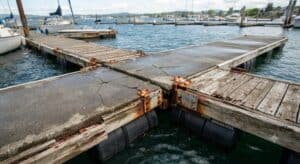
Structural stress often appears around welded joints, brackets, and bolt holes where dock components meet. These areas absorb repeated pressure as waves move the platform, creating conditions that can lead to metal fatigue. Hairline cracks, widening gaps, or bolts that frequently loosen may indicate that the connections are carrying more stress than intended.
Aluminum boat docks resist corrosion, but their frames are not immune to damage from constant movement. Owners should pay particular attention to welds near corners, walkway connections, and areas supporting heavy equipment. Unusual clicking sounds or visible movement between connected parts can suggest worn hardware. A qualified professional should inspect suspected structural cracks before the dock remains in regular use.
Why Is One Side of the Dock Sitting Lower Than Before?
An uneven waterline often points to problems with flotation capacity or weight distribution. Floating docks depend on multiple flotation units working together to support the platform and its expected loads. If a float becomes damaged, takes on water, or separates from its mounting hardware, the affected section may settle lower than the rest.
Additional equipment can create similar problems. Heavy storage containers, furniture, and other permanent additions may exceed the support available beneath certain areas. An aluminum floating dock should maintain adequate freeboard, which is the distance between the deck and the water’s surface, under normal loading conditions. Owners who notice gradual leaning should compare current water levels against earlier photographs and arrange an inspection before adding more weight.
Watch for Unusual Movement Around Anchors and Gangways
Anchoring systems allow floating docks to rise and fall while limiting excessive sideways movement. Worn cables, shifting anchors, and damaged attachment points can gradually reduce that control. A platform that begins drifting farther from shore or jerking suddenly during ordinary wave activity may have an anchoring problem.
Gangways often reveal these changes through unusual angles, rubbing connections, or uneven contact with their landing surfaces. Experienced floating dock builders evaluate how anchors transfer forces to the structure and whether connections can accommodate expected water-level changes. Owners should inspect accessible cables for fraying and mounting brackets for distortion. Repairs involving tensioned anchoring equipment require professional handling because releasing the wrong connection can cause sudden movement.
Decking Problems That Point to Structural Stress Below
Loose decking may seem like a minor maintenance issue, but repeated movement can indicate trouble beneath the walking surface. Supporting beams that bend or shift may cause panels to separate, fasteners to loosen, or gaps to widen. These symptoms become more concerning when several appear in the same section.
Decking that suddenly feels flexible or uneven deserves closer attention. Buyers comparing aluminum docks for sale should examine the spacing of supporting members and how decking attaches to the frame. Proper support helps distribute walking loads without placing excessive pressure on individual fasteners.
Routine inspections should include checking raised screws, damaged brackets, and areas where decking no longer sits flush. Property owners researching aluminum boat docks for sale can also benefit from designs that provide reasonable access beneath the deck, allowing damaged components to be inspected without extensive disassembly.
Knowing When Wear Has Become a Safety Concern
Normal dock movement should not cause visible frame distortion, spreading cracks, or significant changes in platform height. These symptoms suggest that structural components or flotation systems may no longer perform as intended. Continued use can increase damage by transferring additional loads to neighboring sections.
Inspection records help distinguish gradual wear from sudden changes. Photographs, maintenance notes, and checks after major storms can reveal recurring problems before they become serious. Owners of aluminum docks should also consider how easily worn hardware and flotation units can be repaired or replaced.
For waterfront properties experiencing repeated structural problems, Flotation Systems offers custom aluminum floating dock systems with different platform layouts and anchoring options. These configurations give property owners an opportunity to address concerns involving movement, support, and site conditions when planning a replacement. Understanding what caused the original dock to deteriorate can help guide the selection of a structure better suited to the property’s daily use and environmental demands.

Identifying Early Signs of Stress in Floating Dock Structures

How to Choose a Cabinet Door Style That Fits Your Salt Lake City Kitchen

How To Choose A Medical Malpractice Lawyer For Your Claim

Piso Wifi 10.0.0.1 Pause Time – Complete Guide

High-Risk Threats Targeting Banks and How to Mitigate Them
