Career
Major Changes to the H-1B Visa Process: What Employers and Applicants Need to Know
Key Takeaways
- Introduction of a $100,000 application fee for new H-1B petitions.
- Shift from a random lottery to a wage-based selection process.
- Increased scrutiny and compliance measures for employers and applicants.
- Potential impact on startups, tech companies, and international talent mobility.
Table of Contents:
- Introduction
- Introduction of the $100,000 Application Fee
- Transition to Wage-Based Selection Process
- Enhanced Scrutiny and Compliance Measures
- Impact on Startups and Tech Companies
- Effects on Global Talent Mobility
- Legal Challenges and Future Outlook
- Conclusion
Introduction
The H-1B visa program has served as a vital pipeline for U.S. businesses to attract highly skilled foreign workers, particularly within fields such as technology, healthcare, and engineering. As immigration laws evolve, recent changes have significantly increased both the financial and procedural hurdles for employers and applicants. These new policies have sparked an intense debate about America’s approach to skilled immigration. For a deeper understanding of past and future H-1B visa trends, you can explore resources like https://www.lighthousehq.com/blog/h-1b-visa.
The reforms mark a departure from the longstanding principles of the H-1B program by prioritizing wage-based criteria and imposing steep financial entry requirements. These shifts have left both employers and international professionals facing difficult choices, as the new rules fundamentally alter how companies can access global talent. Following the policy changes, concerns have emerged about their effects on economic competitiveness and innovation.
The administration’s adjustments aim to protect domestic workers, yet stakeholders warn that restricting access to skilled labor could undermine the country’s standing in technology and science. This article examines each major change to the H-1B process and its implications for businesses, workers, and the broader U.S. economy.
Against this backdrop, it’s crucial to assess how these reforms may affect American companies’ ability to remain at the forefront of global innovation. Policymakers, legal experts, and companies alike continue to scrutinize every aspect of the evolving H-1B visa framework.
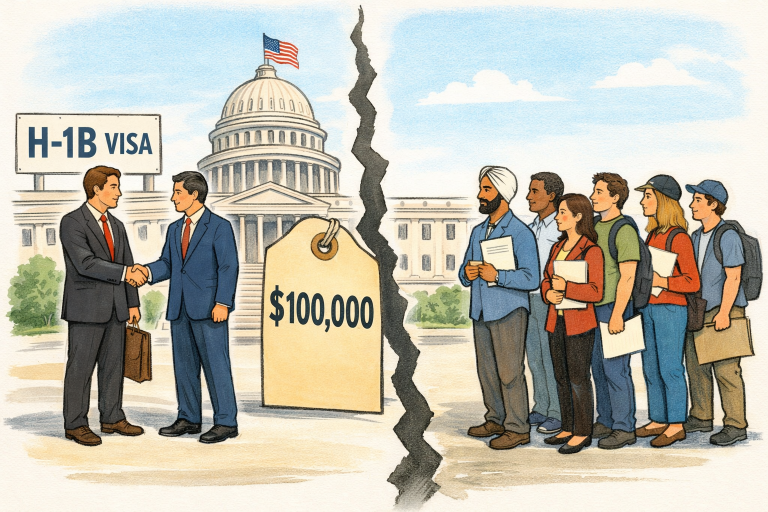
Introduction of the $100,000 Application Fee
In September 2025, the Trump administration unveiled a stunning new requirement for the H-1B visa program: a $100,000 application fee for all new petitions. The stated purpose of this significant increase is to deter what policymakers describe as overreliance on foreign workers and to create a funding source for workforce training of U.S. citizens. The steep fee marks a major turning point for smaller companies, research institutions, and startups that have historically relied on access to highly skilled overseas employees. Critics, including business leaders and immigration advocates, argue that this move not only restricts opportunity but also makes the U.S. less attractive to entrepreneurial talent worldwide.
While supporters of the measure believe it will better safeguard American jobs, many industry analysts fear that startups and smaller firms will be squeezed out, leaving larger corporations as the only viable petitioners. In the long run, this could lead to less competition and decreased diversity in America’s workforce. For additional perspectives on how these fee changes reshape economic interests, see the analysis at the Center for Strategic and International Studies.
Transition to Wage-Based Selection Process
Effective February 2026, H-1B applicants are now selected based on wages offered rather than through a random lottery. This wage-based selection process prioritizes applicants with higher salary offers, aiming to attract “the best and brightest” talent for critical roles. While the policy aims to reduce potential wage suppression and ensure fairer compensation, it raises pressing concerns for early-career professionals, especially recent graduates from U.S. universities. These candidates, likely to start at lower salaries, may find themselves at a disadvantage.
Some experts note that this tiered system may favor large corporations that can offer lucrative salary packages, to the detriment of smaller businesses and innovative startups. The policy, while designed to protect the domestic labor force, could inadvertently cultivate new inequalities in access to the visa process. Further reading on this transition highlights both intended and unforeseen consequences, as explored in TIME Magazine’s coverage.
Enhanced Scrutiny and Compliance Measures
Accompanying the fee and process changes, the Department of Homeland Security has also rolled out increased enforcement. Employers now face more frequent and unannounced site visits, alongside tighter documentation and reporting requirements. These measures seek to curb fraud and ensure program integrity, but they have also imposed greater administrative burdens on HR departments and legal teams. Applicants, meanwhile, are experiencing longer processing times and more rigorous reviews of their credentials and job offers.
The goal of these compliance measures is to maintain high ethical standards in the H-1B program. However, industry voices caution that excessive red tape may ultimately discourage both firms and applicants from pursuing H-1B sponsorship in the first place, potentially undermining the intended benefits of workforce quality and security.
Impact on Startups and Tech Companies
Startups and smaller tech companies often depend heavily on international specialists in AI, software engineering, and data science. The new financial barriers and wage preference criteria could lock these players out of key talent pipelines. Large tech firms are better able to absorb the increased costs and meet wage criteria, while startups face a sharp disadvantage. Industry leaders warn that this could threaten the long-standing U.S. edge in innovation, especially in competitive sectors such as fintech and biotechnology.
Proponents of the changes believe they will minimize misuse of the visa system and concentrate resources on the most critical talent. However, analysis from leading tech associations suggests that the changes may inhibit entrepreneurial growth precisely when the digital economy is expanding at an unprecedented pace.
Effects on Global Talent Mobility
The cumulative effect of higher costs, more competitive selection, and tighter compliance has led many skilled professionals to reconsider the U.S. as their destination of choice. Countries like Canada, Australia, and Germany, which have recently liberalized their skilled worker visa programs, report increased interest from candidates who previously targeted the U.S. As a nation historically built on innovation and talent, the U.S. risks losing ground in the global contest for top-tier employees.
Some observers also note that American companies may respond by shifting operations overseas or expanding remote work opportunities, further diffusing the economic advantages once concentrated in domestic talent hubs. For broader views on talent mobility in a changing immigration landscape, the New York Times offers valuable reporting.
Legal Challenges and Future Outlook
Unsurprisingly, the policy changes have triggered a wave of legal challenges from industry coalitions, state governments, and advocacy groups. Lawsuits argue that the extreme fee increases and the overhaul of the selection process conflict with federal statutes that encourage a competitive economic climate. Courts will play a crucial role in determining whether these changes stand or need to be rolled back, and the outcome will set important precedents for future immigration reform efforts.
Companies and affected workers are advised to stay informed and work with legal counsel as the landscape evolves. The future of the H-1B program remains uncertain, with the possibility that political shifts could trigger additional reforms or reversals in the coming years.
Conclusion
The recent overhaul of the H-1B visa process has created new barriers for both employers and skilled professionals hoping to contribute to the American economy. While policymakers seek to protect domestic jobs and raise the bar for admitted talent, observers warn of repercussions, including reduced competitiveness, brain drain, and slowed innovation. As legal challenges unfold and the business community adapts, the outcome of these changes will significantly shape the future U.S. role in the global high-skilled workforce. Continued vigilance and thoughtful policy adaptation will be essential to preserve America’s legacy as a beacon for top talent and ingenuity.


How Nevada Rules Shape a Personal Injury Claim After a Crash

A Yard-Watering Plan: Match Soil, Plants, and Sprinklers Before You Turn On the Timer

A Practical Coastal Home Buying Checklist in Panama City, Florida

Piso Wifi 10.0.0.1 Pause Time – Complete Guide

High-Risk Threats Targeting Banks and How to Mitigate Them
