Business
Modern Office Design Ideas to Consider
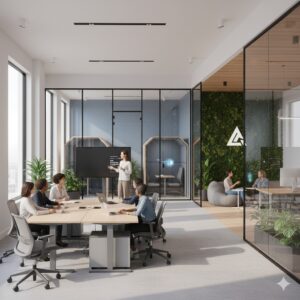
The modern workplace has evolved significantly in recent years. Offices are no longer viewed simply as places to complete daily tasks; they are environments that shape productivity, influence employee wellbeing, and communicate company culture. Thoughtful design can help attract talent, encourage collaboration, and create a space people genuinely enjoy spending time in.
Whether you are moving into a new building or refreshing your current layout, incorporating contemporary design ideas can future-proof your workspace while ensuring it remains practical and visually appealing.
Incorporate Glass Partitions for Openness
One of the most effective ways to modernize an office is by installing glass partitions. Traditional solid walls can make a workplace feel enclosed and disconnected, whereas glass creates a sense of openness without sacrificing structure. With these installed, natural light can travel farther throughout the space, helping reduce the need for excessive artificial lighting and contributing to a brighter, more energizing atmosphere. As exposure to natural light has been linked to improved focus and mood, both of which are essential for maintaining productivity across teams, you can’t go wrong with such an installation.
Create Flexible Work Zones
Throughout the day, your employees will tackle tasks that require quiet concentration, while others will benefit from group discussion. Designing flexible work zones allows your office to support a variety of working styles.
Consider incorporating a mix of open desks, breakout areas, and private pods. This approach empowers staff to choose the environment that best suits their task, often leading to higher efficiency and satisfaction. Modular furniture can further enhance adaptability, making it easier to reconfigure the space as your business evolves.
Prioritize Ergonomic Furniture
Comfort should be treated as a necessity rather than a luxury, as poor seating and desk setups can contribute to fatigue, back pain, and reduced productivity over time.
Ergonomic chairs, adjustable desks, and properly positioned monitors will support healthier posture and help employees remain comfortable throughout the day. Height-adjustable desks, in particular, are another popular option as these encourage movement by allowing staff to alternate between sitting and standing, which can improve circulation and energy levels.
Investing in ergonomic solutions signals that you value employee wellbeing, a factor that increasingly influences retention.
Integrate Smart Technology
Modern offices benefit greatly from technology that simplifies daily operations. Wireless presentation tools, smart meeting room booking systems, and integrated video conferencing equipment help teams collaborate seamlessly, whether they are on-site or remote.
Additionally, automated climate control and intelligent lighting systems can optimize energy use, supporting both sustainability goals and long-term cost savings. When technology works quietly in the background, employees can focus on meaningful work rather than logistical frustrations.
Reflect Your Brand Through Design
Your office should tell a story about who you are as a business. Colors, materials, and artwork can all be used to reinforce brand identity in a sophisticated way. This does not mean overwhelming the space with logos. Instead, subtle cues such as a signature color palette or thoughtfully designed feature walls can create a cohesive look that feels intentional. Visitors and clients will immediately gain a sense of your organization’s personality upon entering.
Designing for the Future
Modern office design is ultimately about creating a space that supports people, your people! So, take your time to reflect on what your office is missing, and if you feel a change is necessary, consider the ideas above. If you aren’t sure yet, just consider that as workplace expectations continue to evolve, you will need to do what you can to retain your staff, and this could be what does it.


How to Choose a Luxury SUV or Sedan That Fits Daily Life

How Nevada Rules Shape a Personal Injury Claim After a Crash

A Yard-Watering Plan: Match Soil, Plants, and Sprinklers Before You Turn On the Timer

Piso Wifi 10.0.0.1 Pause Time – Complete Guide

High-Risk Threats Targeting Banks and How to Mitigate Them
