Tips
The Essential Guide to Buying Estate Jewelry
Key Takeaways
- Understand the definition and appeal of estate jewelry.
- Learn how to assess the condition and authenticity of pieces.
- Discover strategies for making informed purchasing decisions.
Table of Contents
- What Is Estate Jewelry?
- Benefits of Buying Estate Jewelry
- Assessing Condition and Authenticity
- Understanding Valuation and Pricing
- Where to Buy Estate Jewelry
- Caring for Your Estate Jewelry
- Common Mistakes to Avoid
- Conclusion
Estate jewelry offers a rare opportunity to own distinctive pieces that carry history, artistry, and enduring value. Whether you are a seasoned collector or a novice buyer, understanding the essentials can help you confidently choose remarkable additions to your collection. As you explore options, consider that reputable antique auction houses are a prime resource for discovering exceptional estate jewelry. Insight into estate jewelry goes beyond appreciating its beauty. Examining an item’s background, artistry, and condition can greatly influence your purchasing decisions.
In many cases, estate jewelry blends traditional techniques, intricate designs, and a story behind every piece, making it a rewarding pursuit for collectors and jewelry lovers alike. Unlike new jewelry, estate pieces have a provenance that can increase their uniqueness and value. Many buyers are drawn to the sustainable aspect, as choosing a pre-owned item reflects environmentally conscious shopping. Even as trends shift, estate jewelry retains appeal thanks to its craftsmanship and lasting elegance. If you want practical tools for evaluating jewelry quality and authenticity, following proper advice is crucial. Industry-specific recommendations can safeguard your investment and ensure your piece will be cherished for years.
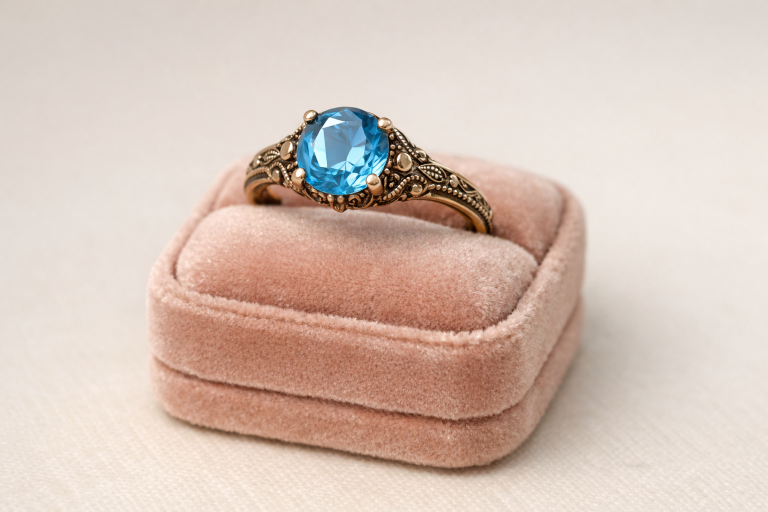
What Is Estate Jewelry?
Estate jewelry refers to any piece of jewelry that has been previously owned. This distinguishes it from brand-new items, regardless of age. The category encompasses vintage jewelry (20 to 99 years old), antique jewelry (at least 100 years old), and even contemporary items that have changed hands. The defining factor is prior ownership, not necessarily the piece’s age or rarity.
Benefits of Buying Estate Jewelry
There are several compelling reasons to seek out estate jewelry:
- Unique Designs: Estate pieces often feature styles and craftsmanship that are difficult to find in modern designs.
- Quality Craftsmanship: Many estate items were produced using methods and skills handed down through generations, noted for their care and attention to detail.
- Value for Money: Because estate jewelry is pre-owned, it often represents a better value in terms of materials and artistry compared to new equivalents.
- Eco-Friendly Option: Buying estate jewelry supports the reuse of existing resources and reduces the environmental impact of new mining operations.
For further reading on the benefits and evolving trends in pre-owned jewelry, consider this New York Times article on the pre-owned jewelry market.
Assessing Condition and Authenticity
Evaluating estate jewelry carefully is critical for ensuring value and satisfaction. Here’s what to look for:
- Physical Condition: Carefully inspect each piece for visible wear, such as scratches, worn-down prongs, dents, or loose stones. While minor wear is common, extensive damage can reduce value and increase repair costs.
- Authenticity: Verify that the materials are genuine. Check for hallmarks, maker’s marks, or certificates that indicate metal purity and authenticity of gemstones.
- Provenance: Documentation can reveal an item’s history, prior repairs or appraisals, and original ownership, adding both sentimental and financial value.
For a comprehensive checklist before purchasing, you may find the Smithsonian’s guidelines for caring for your collections particularly helpful.
Understanding Valuation and Pricing
The valuation of estate jewelry is based on several principles:
- Materials: Gold, platinum, and high-quality gemstones enhance value. Verify weights, carat quality, and authenticity.
- Craftsmanship: Look for unique artisan techniques and era-specific designs that elevate desirability.
- Condition: Well-maintained items will command a higher price than those needing extensive repairs.
- Market Demand: Current trends, rarity, and collector interest influence what people are willing to pay for certain pieces.
Seeking an appraisal from a qualified jeweler or trusted auction specialist is vital to understanding a fair price. The Smithsonian Institution provides information on appraisals of objects that can guide you in finding reputable appraisers.
Where to Buy Estate Jewelry
There are several reputable sources for estate jewelry, each with unique advantages:
- Antique Stores: Brick-and-mortar shops often provide professional guidance and curated selections.
- Auction Houses: Auctions offer access to rare and valuable estate pieces, though bidding can drive up prices.
- Online Marketplaces: Established platforms like Ruby Lane and 1stDibs showcase vast collections but require buyers to exercise due diligence to verify sellers’ authenticity and reliability.
- Estate Sales: Local estate and consignment sales can offer exceptional finds at sometimes more affordable prices.
When considering online purchases, research the seller’s reputation, request clear images, and confirm return policies.
Caring for Your Estate Jewelry
Preserving the beauty and integrity of estate pieces ensures they can be enjoyed for many more years. Proper care involves:
- Regular Cleaning: Use gentle cleaning solutions tailored to each piece’s materials, and avoid harsh chemicals.
- Professional Inspection: A jeweler should periodically check settings, clasps, and prongs for wear or weaknesses.
- Thoughtful Storage: Store jewelry in separate soft-lined boxes or pouches to avoid scratches and physical contact between pieces.
For more detailed guidance, the Smithsonian Institution Archives offers resources on collections care that can be applied to personal collections.
Common Mistakes to Avoid
- Neglecting Necessary Repairs: Always factor in restoration costs and ensure repairs are disclosed before purchasing.
- Forgetting Provenance: Lack of documentation can diminish a piece’s value and collectibility.
- Impulse Purchases: Avoid buying under pressure. Take the time to research, verify, and compare options before committing.
Conclusion
Estate jewelry opens a window to the past while offering timeless style and investment potential. By learning how to assess, value, and care for these pieces, shoppers can build collections that celebrate both beauty and history. With due diligence and informed choice, estate jewelry can become a cherished part of your personal story and legacy.


How Nevada Rules Shape a Personal Injury Claim After a Crash

A Yard-Watering Plan: Match Soil, Plants, and Sprinklers Before You Turn On the Timer

A Practical Coastal Home Buying Checklist in Panama City, Florida

Piso Wifi 10.0.0.1 Pause Time – Complete Guide

High-Risk Threats Targeting Banks and How to Mitigate Them
