Health
Understanding ACL Injuries: Symptoms, Treatment Options, and Recovery Process
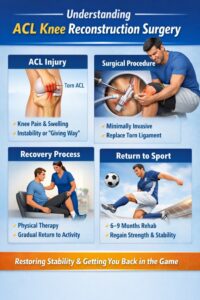
Knee injuries are among the most common orthopedic problems, especially for people who play sports, exercise regularly, or lead an active lifestyle. One of the most frequently injured ligaments in the knee is the Anterior Cruciate Ligament (ACL). When this ligament is torn, it can significantly affect stability, mobility, and long-term joint health.
If you’ve recently experienced a knee injury or suspect an ACL tear, understanding your options is the first step toward recovery.
What Is the ACL and Why Is It Important?
The ACL (Anterior Cruciate Ligament) is one of four major ligaments in the knee. It connects the thigh bone (femur) to the shin bone (tibia) and plays a critical role in stabilizing the joint.
The ACL helps:
- Prevent the tibia from sliding forward
- Provide rotational stability
- Support quick changes in direction
This is why ACL injuries are especially common in sports like football, basketball, badminton, skiing, and other activities that involve sudden stops or pivoting.
Common Causes of ACL Injuries
ACL tears often happen suddenly and are usually associated with:
- Rapid changes in direction
- Improper landing from a jump
- Direct impact to the knee
- Twisting movements while the foot is planted
Many people report hearing or feeling a “pop” at the time of injury, followed by immediate swelling and instability.
Symptoms of an ACL Tear
If you suspect an ACL injury, look out for these symptoms:
- A popping sensation at the time of injury
- Rapid swelling within a few hours
- Pain when bearing weight
- Knee instability or “giving way”
- Reduced range of motion
While mild sprains may heal with conservative care, complete tears often require more advanced treatment.
Do All ACL Tears Need Surgery?
Not necessarily. Treatment depends on several factors:
- Age
- Activity level
- Severity of the tear
- Level of instability
- Long-term goals
Non-Surgical Treatment
Some individuals with partial tears or lower activity demands may benefit from:
- Physical therapy
- Strength training
- Knee bracing
- Activity modification
However, active individuals or athletes who want to return to sports often consider
ACL Knee Reconstruction Surgery as a more stable and long-term solution.
What Is ACL Knee Reconstruction Surgery?
ACL reconstruction is a procedure where the torn ligament is replaced with a graft. The graft may come from:
- The patient’s own tendon (autograft)
- A donor tendon (allograft)
The surgery is typically performed arthroscopically using small incisions and specialized instruments. This minimally invasive approach usually results in:
- Smaller scars
- Reduced post-operative discomfort
- Faster initial recovery
The primary goal is to restore knee stability and allow a safe return to normal activities.
Recovery and Rehabilitation
Phase 1: Early Recovery (Weeks 1–2)
- Control swelling
- Restore knee extension
- Begin gentle exercises
Phase 2: Strength Building (Weeks 3–12)
- Progressive strength training
- Balance and stability exercises
- Gradual return to daily activities
Phase 3: Advanced Training (3–9 Months)
- Sport-specific exercises
- Agility training
- Functional movement drills
Most patients return to full sports participation between 6 to 9 months, depending on rehabilitation progress.
Risks and Considerations
As with any surgical procedure, ACL reconstruction carries potential risks such as infection, stiffness, graft failure, or blood clots. However, with appropriate medical guidance and dedicated rehabilitation, outcomes are generally positive.
When Should You See a Specialist?
If your knee feels unstable, continues to swell, or prevents you from returning to normal activities, seeking professional evaluation is important. Early diagnosis and proper treatment planning can help reduce the risk of long-term complications.
Final Thoughts
An ACL injury can feel overwhelming, especially for active individuals. Modern treatment approaches—both surgical and non-surgical—offer reliable pathways toward recovery when guided by proper medical care and rehabilitation.
Understanding your condition and committing to structured recovery are key steps toward regaining knee strength and confidence.


How Nevada Rules Shape a Personal Injury Claim After a Crash

A Yard-Watering Plan: Match Soil, Plants, and Sprinklers Before You Turn On the Timer

A Practical Coastal Home Buying Checklist in Panama City, Florida

Piso Wifi 10.0.0.1 Pause Time – Complete Guide

High-Risk Threats Targeting Banks and How to Mitigate Them
