Health
What to Expect When Joining a Clinical Trial for the First Time
Key Takeaways
- Clinical trials are structured studies that evaluate new treatments, therapies, and medical approaches.
- Participation involves several stages, including pre-screening, informed consent, active monitoring, and follow-up.
- Eligibility is determined by specific criteria to ensure participant safety and reliable study results.
- Informed consent ensures you fully understand the study and your rights before մասնակցation.
- Benefits may include access to new treatments and close medical supervision, while risks can involve side effects or uncertain outcomes.
- Ongoing communication with the research team is essential for safety and a positive experience.
- Participation is voluntary, and you can withdraw at any time based on your comfort and needs.
Deciding to join a clinical trial is a major step that can lead to impactful advancements in healthcare while also offering personal benefits. For many first-time participants, the process can feel complicated. Having a clear understanding of the clinical trial journey can help you feel better prepared and more confident about your decision.
Clinical trials are structured research studies designed to test new medical approaches, treatments, or devices. As a participant, you are not only helping researchers gather essential data but may also gain access to groundbreaking therapies. Choosing to join a clinical trial can provide early access to innovative treatments before they are widely available to the public. Participation also allows you to receive close medical monitoring from qualified healthcare professionals throughout the study. In addition, your involvement provides valuable insights that help improve future treatments and patient outcomes.
Understanding Clinical Trials
Clinical trials are critical for developing new therapies, improving existing treatments, and ultimately advancing patient care. Researchers depend on volunteer participants who meet specific requirements. Trials can involve medications, medical devices, behavioral therapies, or preventive strategies. Each phase of a clinical trial is carefully designed to assess different aspects of the intervention, such as safety, effective dosage, and overall benefits or risks. Participating in a clinical trial supports the medical community in gathering important information, and every volunteer plays a key part in the scientific discovery process and the approval of life-saving interventions for public use.
Pre-Screening and Eligibility
The pre-screening phase is often the first interaction potential participants have with the research team. During this stage, researchers will review your medical background and, in some cases, perform basic tests to determine if you match the study’s inclusion criteria. Eligibility rules are necessary to ensure both the participant’s safety and the reliability of the study results.
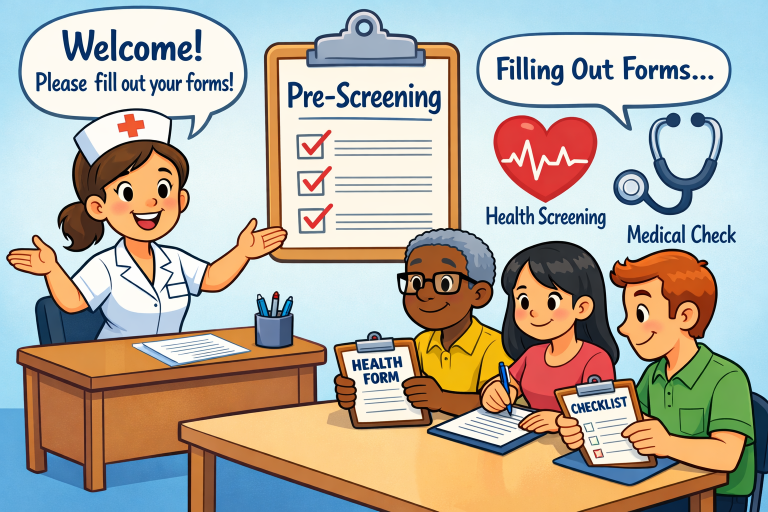
You may be asked about your age, existing health conditions, prior treatments, and lifestyle habits. Not meeting the trial’s specific criteria does not reflect on your personal health, but simply indicates that the particular study may not be suitable for you. You can always inquire about other available studies for which you might be eligible, and the research team can often suggest alternative options that match your individual circumstances.
Informed Consent Process
If you qualify for the study, the research team will introduce you to the informed consent process. This is a fundamental part of clinical trials. Informed consent involves a thorough conversation about the study’s objectives, schedule, potential risks, expected benefits, and your rights as a participant. You will have time to review the consent document and are encouraged to ask the research team questions. Participation in any clinical trial is completely voluntary. You can choose to leave the study at any time for any reason, even after signing the consent form. This transparency is designed to protect your rights and ensure you feel comfortable throughout the process.
Screening and Baseline Assessments
After informed consent, additional medical assessments might be conducted. This typically includes physical exams, blood work, or other diagnostic procedures to gather baseline health data. These evaluations help researchers compare your progress throughout the trial and ensure that it is safe for you to proceed with the study intervention. Your responses to these initial exams may also help protect your safety should any side effects arise during the trial. At this phase, you should share your complete medical history and let the team know if you have any concerns about the required procedures or your suitability for the trial.
Participation and Monitoring
Active participation in a clinical trial usually follows a structured protocol. You might be asked to take specific medications, follow dietary guidelines, or participate in regular clinic visits. Ongoing monitoring by the research team ensures that any side effects or concerns are promptly noted and addressed. Open communication is encouraged throughout the process. This means reporting new symptoms, changes in your health, or questions about your treatment or study procedures to the research staff promptly. This ongoing feedback helps ensure your safety and well-being. The research team will work closely with you and provide detailed instructions for every stage of your involvement in the study.
Potential Risks and Benefits
Potential benefits of participating in a clinical trial include early access to promising therapies and close medical supervision. Additionally, your participation advances scientific understanding that may help future patients. However, there are risks. New treatments might produce side effects or may not work as well as anticipated. Thorough discussions with the research team will help you weigh these considerations, and you can refer to information from organizations such as the National Cancer Institute’s patient safety resources during your decision-making process. It is important to honestly assess your comfort level and discuss your decision with your loved ones as you consider participating in a study.
Post-Trial Follow-Up
Once the main phase of the trial concludes, participants may need to attend one or more follow-up visits. During these appointments, your long-term health is monitored, and researchers gather any additional information about the intervention’s effects over time. If you have further questions about the trial results, some researchers share study findings with participants or advise where results will be published. Contributing to a clinical trial is a valuable service to the medical community, even if the tested intervention is not ultimately adopted as a standard treatment. Your feedback during follow-up visits helps researchers evaluate the intervention’s real-world impact and plan future studies.
Questions to Consider
Before joining a clinical trial, ask the research team questions such as:
- What is the main goal of this study?
- What risks or potential side effects should I know about?
- What is expected of me as a participant?
- How long will my involvement last?
- Is there any compensation or coverage for travel and expenses?
Bringing a friend or family member to your appointments or writing down your questions in advance can be helpful. The information you receive will help you make a choice that best aligns with your own health goals and personal circumstances. It is helpful to maintain a journal during your participation, as it can help you remember important questions, document your experiences, and track any symptoms that may arise during the study. Such records are valuable both for your own reflection and for sharing relevant information with the research team.
Final Thoughts
Deciding to participate in a clinical trial is a meaningful choice that combines personal health considerations with the opportunity to contribute to medical advancement. While the process may seem complex at first, understanding each stage, from eligibility and informed consent to participation and follow-up, helps build confidence and clarity.
Taking the time to ask questions, evaluate potential risks and benefits, and discuss options with healthcare professionals and loved ones ensures that your decision is both informed and aligned with your goals. Remember that participation is always voluntary, and your comfort and safety remain the top priority throughout the journey.
Whether you ultimately decide to join a trial or not, becoming informed about the process empowers you to take a proactive role in your healthcare. Every clinical study depends on individuals willing to explore new possibilities, and those contributions continue to shape the future of medicine for generations to come.


How Nevada Rules Shape a Personal Injury Claim After a Crash

A Yard-Watering Plan: Match Soil, Plants, and Sprinklers Before You Turn On the Timer

A Practical Coastal Home Buying Checklist in Panama City, Florida

Piso Wifi 10.0.0.1 Pause Time – Complete Guide

High-Risk Threats Targeting Banks and How to Mitigate Them
