Business
When Buying a Home Makes More Sense Than Renting
Key Takeaways
- Buying a home allows you to build equity over time, turning monthly payments into a long-term investment.
- Homeownership offers tax benefits, such as deductions for mortgage interest and property taxes.
- Fixed-rate mortgages provide stability and predictable monthly payments, unlike fluctuating rents.
- Low mortgage rates and rising rental costs can make buying more financially advantageous than renting.
- Long-term residency plans and the desire for customization favor purchasing over renting.
- Consider potential risks, including market fluctuations and ongoing maintenance responsibilities, when making your decision.
- Consulting with experienced local real estate agents can help align your decision with your financial goals and lifestyle.
Deciding whether to buy or rent a home is one of the most significant financial decisions many individuals and families face. In today’s real estate climate, where mortgage rates, home prices, and rental costs are all shifting rapidly, knowing when it is more advantageous to purchase property is crucial. Consulting with trusted local specialists, such as Estes Park real estate experts Estes Park Team Realty, can illuminate the opportunities and challenges unique to your market.
The decision between buying and renting depends on several factors. These include not only prevailing economic trends, but also personal financial goals, lifestyle needs, and long-term plans. A well-timed home purchase can offer substantial benefits that extend well beyond having a roof overhead.
Evaluating your specific circumstances, including your anticipated length of stay in a location and your readiness for homeownership responsibilities, can help you navigate this decision with confidence. Market shifts and individual needs don’t always coincide, so making a thoughtful choice is essential.
Assess how current housing market dynamics align with your financial situation by considering not only immediate costs but also the long-term picture. Balancing flexibility, risk, and opportunity is key to making the best choice for your situation.
Financial Considerations Favoring Homeownership
Building Equity Over Time
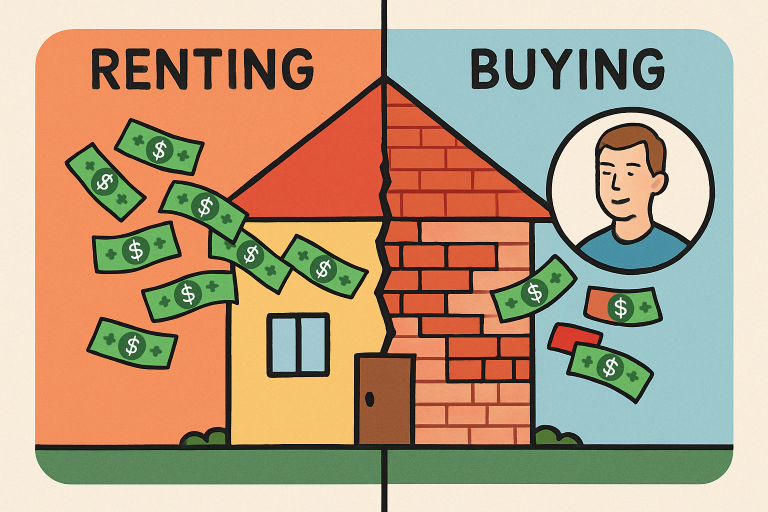
One of the most compelling arguments for buying over renting is the opportunity to build equity. Unlike rent payments, which go to a landlord and offer no return, mortgage payments increase your ownership stake in the property over time. Building equity can be a powerful wealth-building strategy, especially since homes often appreciate in value, allowing owners to leverage gains later.
Tax Benefits
Homeownership comes with notable tax perks. Homeowners may be able to deduct mortgage interest and certain property taxes, potentially lowering their overall tax burden. While individual tax circumstances will vary, these incentives can provide notable annual savings, making the initial costs of homeownership more manageable for many buyers.
Stability of Monthly Payments
In contrast to the unpredictability of rent increases, a fixed-rate mortgage offers the security of stable monthly payments. This can make budgeting simpler and offer peace of mind since your payment will not change with inflation or market fluctuations. Such predictability strengthens your long-term financial planning and may result in significant cost savings as rents in your area rise.
Market Conditions That Support Buying
Low Mortgage Rates
When interest rates are low, the cost of borrowing drops considerably, making monthly mortgage payments more affordable. Prospective buyers can often afford more home for their money during these periods, turning ownership from a distant dream into a practical reality. As mortgage rates shift, savvy buyers can capture significant value by locking in low rates at opportune times.
Rising Rental Costs
In markets where rents are rising faster than wages, the relative affordability of buying a home improves. When mortgage payments rival or beat the cost of renting comparable accommodations, purchasing becomes not only a lifestyle upgrade but a financially smart move.
Personal Circumstances That Make Buying Advantageous
Long-Term Residency Plans
If you anticipate staying in one place for several years or longer, buying a home may be more economical compared to renting. Owning takes advantage of appreciation over time and helps owners recoup transaction and closing costs that would be lost in a short-term stay. Homeownership allows you to grow roots and become invested in the local community.
Desire for Customization
Homeownership unlocks the ability to personalize your living environment. From remodeling a kitchen to landscaping the yard, you have the freedom to make the space your own. Renters rarely enjoy this flexibility, typically facing restrictions on even minor modifications.
Potential Risks and Considerations
Market Fluctuations
While homes often gain value, markets can be unpredictable. Economic downturns or neighborhood changes may reduce property values, impacting your equity. Buyers should prepare for the possibility of prolonged periods of stagnant or even negative growth, especially in volatile regions.
Maintenance Responsibilities
Unlike renting, homeownership comes with the responsibility for all maintenance and repairs. From plumbing emergencies to roof replacements, costs can add up and require both time and financial resources. Prospective homeowners should budget not just for mortgage payments but also for ongoing maintenance needs.
Final Thoughts
For many, buying a home represents not just a financial transaction but a foundational investment in one’s future. While renting provides flexibility and fewer obligations, homeownership offers long-term financial advantages in the right circumstances, including equity building, tax benefits, stable payments, and the freedom to customize. Assessing current market conditions, understanding the financial and personal implications, and consulting with experienced local agents will help ensure your decision aligns with your budget and lifestyle goals. Always weigh the rewards against the risks and plan with both the present and future in mind.


How Nevada Rules Shape a Personal Injury Claim After a Crash

A Yard-Watering Plan: Match Soil, Plants, and Sprinklers Before You Turn On the Timer

A Practical Coastal Home Buying Checklist in Panama City, Florida

Piso Wifi 10.0.0.1 Pause Time – Complete Guide

High-Risk Threats Targeting Banks and How to Mitigate Them
